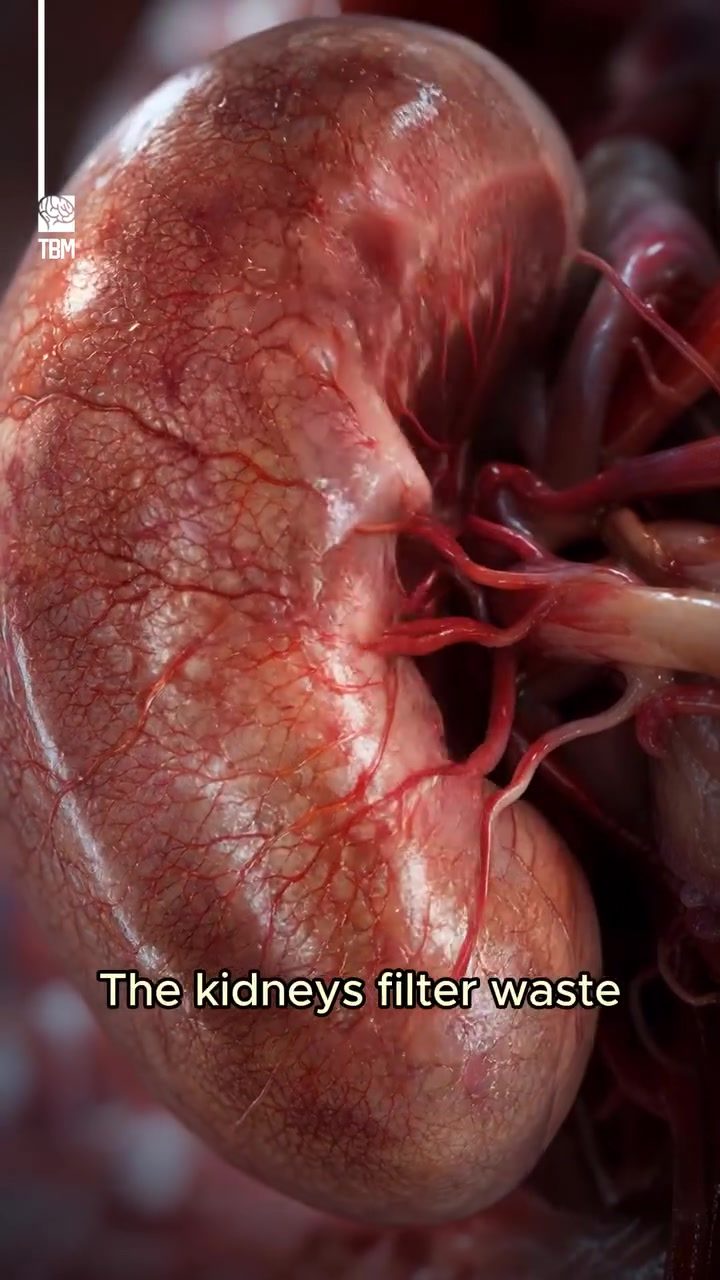
Kidney Function
Kidneys play a crucial role in maintaining the body's internal balance by filtering waste and excess fluid from the blood. This process is continuous, occurring day and night, ensuring that the body retains essential water, glucose, and minerals while eliminating toxins and unwanted substances.
Why This Matters
The kidneys are vital for maintaining overall health and stability within the body. Each kidney contains around 1 million microscopic filtering units called nephrons, which are essential for the blood filtration process. Understanding how the kidneys function can provide valuable insights into the body's complex systems and the importance of maintaining kidney health.
The Filtration Process
Blood Filtration
The kidneys filter approximately 180 liters of blood plasma every day. This process begins with the removal of toxins and unwanted substances from the blood. Valuable materials such as glucose, minerals, and water are then reabsorbed into the bloodstream, while the remaining waste is converted into urine and excreted from the body. The kidneys also play a role in producing hormones that support red blood cell production, highlighting their multifaceted function in maintaining the body's health.
The Role of Nephrons
Within each kidney are about 1 million microscopic filtering units called nephrons. These nephrons are tiny clusters of capillaries known as the glomerulus, where the blood filtration process begins. The glomerulus acts as a filter, allowing water and small molecules to pass through while retaining larger molecules, such as proteins and blood cells.
The Filtration Process
The filtration process involves several key steps:
- Glomerular Filtration: Blood is filtered through the glomerulus, allowing water, small molecules, and waste products to pass into the nephron's tubule.
- Reabsorption: Valuable materials such as glucose, minerals, and water are reabsorbed back into the bloodstream.
- Secretation: Additional waste products are secreted into the tubule, ensuring that the blood is cleansed of toxins and unwanted substances.
Hormonal Regulation
The kidneys also produce hormones that support red blood cell production, which is crucial for maintaining oxygen levels in the body. These hormones help regulate blood pressure and overall kidney function, ensuring that the body's systems operate efficiently.
Kidney Maintenance and Health
Importance of Kidney Health
Given the vital role that kidneys play in maintaining the body's internal stability, it is essential to prioritize kidney health. Regular check-ups and a healthy lifestyle can help prevent kidney diseases and ensure optimal function. Key factors that can affect kidney health include:
- Hydration: Drinking adequate amounts of water helps maintain kidney function and flush out toxins.
- Diet: A balanced diet rich in fruits, vegetables, and lean proteins can support kidney health.
- Exercise: Regular physical activity can improve overall health and reduce the risk of kidney diseases.
Common Kidney Issues
Several conditions can affect kidney function, including:
- Chronic Kidney Disease (CKD): A long-term condition characterized by a gradual loss of kidney function.
- Kidney Stones: Hard deposits that form in the kidneys and can cause pain and discomfort.
- Kidney Infections: Infections that can spread to the kidneys and lead to complications if left untreated.
Practical Tips
Monitor Your Health
Regular health check-ups can help identify potential kidney issues early. Monitoring blood pressure and glucose levels can also provide valuable insights into kidney function.
Stay Hydrated
Drinking sufficient water is essential for kidney health. Adequate hydration helps flush out toxins and prevents the formation of kidney stones.
Maintain a Balanced Diet
A balanced diet rich in fruits, vegetables, and lean proteins can support kidney health. Avoiding high-sodium and high-sugar foods can also help maintain optimal kidney function.
Regular Exercise
Regular physical activity can improve overall health and reduce the risk of kidney diseases. Engaging in regular exercise can also help maintain a healthy weight, which is crucial for kidney health.
Limit Alcohol and Avoid Tobacco
Excessive alcohol consumption and tobacco use can negatively impact kidney function. Limiting alcohol intake and avoiding tobacco can help maintain kidney health.
Important Takeaways
- Continuous Filtration: The kidneys filter approximately 180 liters of blood plasma every day, removing toxins and retaining essential nutrients.
- Nephron Function: Each kidney contains around 1 million nephrons, which are crucial for the blood filtration process.
- Hormonal Regulation: The kidneys produce hormones that support red blood cell production and regulate blood pressure.
- Maintenance and Health: Prioritizing kidney health through regular check-ups, a balanced diet, and regular exercise can help prevent kidney diseases and ensure optimal function.
Conclusion
Understanding the function of kidneys and their role in maintaining the body's internal balance is crucial for overall health. The kidneys' continuous filtration process ensures that the body retains essential water, glucose, and minerals while eliminating toxins and unwanted substances. By prioritizing kidney health through regular check-ups, a balanced diet, and regular exercise, individuals can ensure optimal kidney function and overall well-being.
Watch the Reel
Questions readers ask
How do kidneys filter blood and what is the role of nephrons in this process?
Kidneys filter blood through tiny structures called nephrons. Each kidney has around 1 million nephrons, which act as the body's natural filters. They remove waste, excess fluid, and toxins from the blood, while retaining essential substances like water, glucose, and minerals. The nephrons then collect these waste products to form urine.
What happens if the kidneys fail to maintain the body's water balance?
If the kidneys cannot maintain the body's water balance, it can lead to severe health issues. Too much water can cause a condition called hyponatremia. Too little water results in dehydration, which can cause a range of symptoms, from fatigue to kidney failure.
What essential hormones do the kidneys produce and why are they important?
The kidneys produce several vital hormones, including erythropoietin, which stimulates red blood cell production, and renin, which helps regulate blood pressure. These hormones are crucial for maintaining overall health and organ function.
How do kidneys eliminate toxins from the body?
Kidneys eliminate toxins through a continuous filtration process. Waste products and toxins are removed from the blood, transferred into the kidneys' tubules, and then excreted in the urine. This process ensures that harmful substances do not build up in the body.
How does the blood filtration process occur in the kidneys?
Blood filtration in the kidneys occurs through a series of steps. First, blood flows into the glomerulus, a tuft of capillaries, where waste and excess fluid are filtered out. Then, the filtered blood moves to the tubules, where essential substances are reabsorbed, and waste products are collected to form urine.
What is the role of the kidneys in maintaining the body's glucose and mineral balance?
The kidneys play a critical role in regulating glucose and mineral levels. They reabsorb essential glucose and minerals, such as sodium, potassium, and calcium, back into the bloodstream. This ensures that the body maintains a healthy balance of these crucial substances, which are vital for various bodily functions.
Why is it important to maintain good kidney health?
Maintaining good kidney health is essential for overall well-being. Healthy kidneys ensure proper waste removal, toxin elimination, and balance of essential substances. Regular check-ups, a balanced diet, and adequate hydration can help maintain healthy kidneys and prevent potential health issues.
Related deep dives
Similar reads based on topic and creator.




Recent articles
Fresh deep dives from the latest Reels we unpacked.




Comments
Be the first to comment.