Sustainable Kiosk Construction
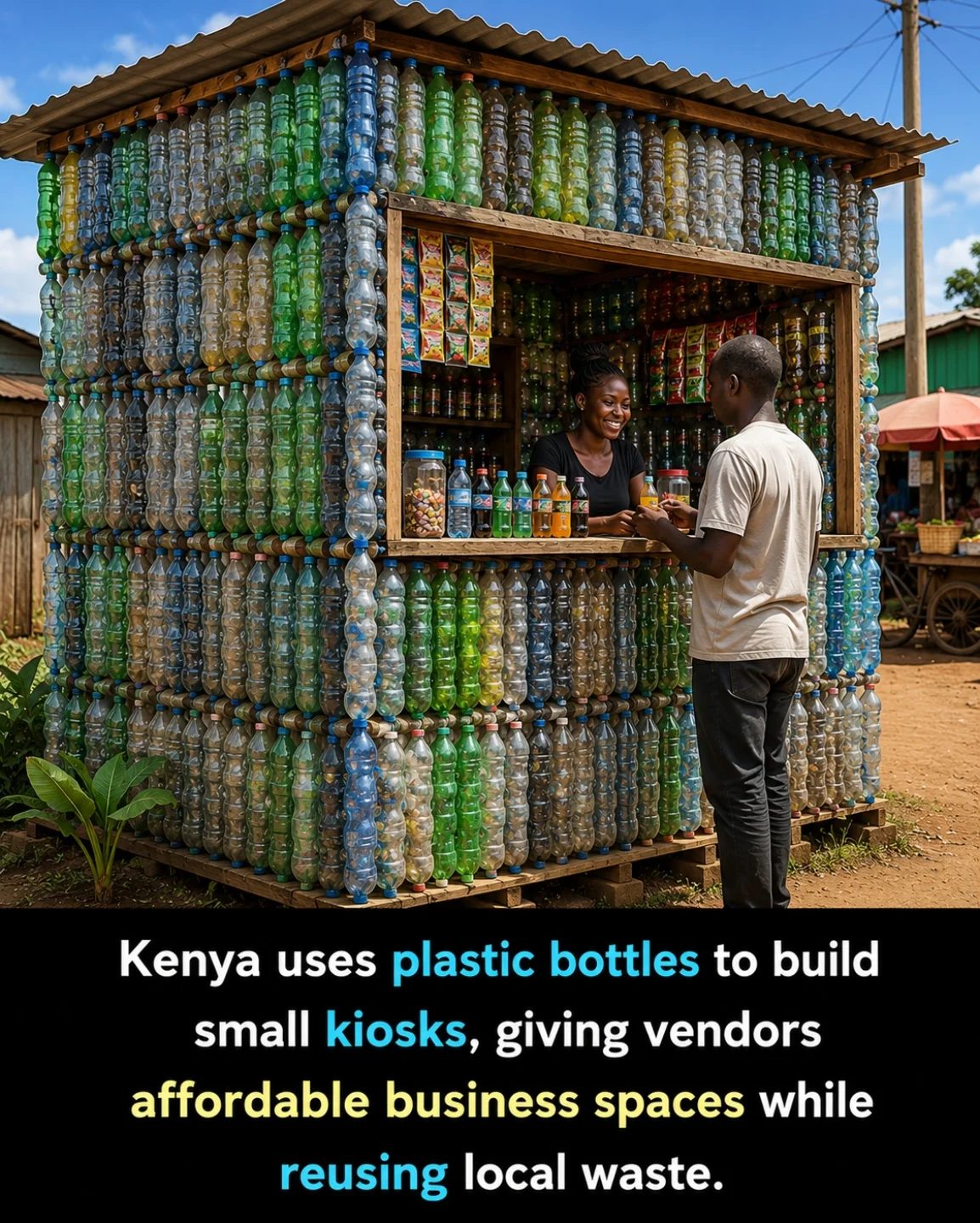
Innovative kiosk construction using recycled plastic bottles is making a significant impact in Kenya. This approach not only provides affordable business spaces for vendors but also addresses local waste management issues. A vendor stands behind the counter of a kiosk made entirely from recycled plastic bottles, serving a customer. It serves as a sustainable solution for small businesses while promoting environmental sustainability.
Why this matters
Kenya, like many developing countries, faces significant challenges in waste management. Plastic waste, in particular, is a major environmental concern. The innovative use of recycled plastic bottles in kiosk construction helps mitigate these issues. Through this approach, Kenya is simultaneously addressing environmental sustainability and fostering economic growth.
Main discussion
The materials
The primary material used in constructing these kiosks is recycled plastic bottles. This choice of material is both innovative and practical. Plastic bottles are abundant in most areas; even in Kenya, where waste management infrastructure is not always robust. By utilizing this readily available resource, the cost of construction is significantly reduced, making it an affordable option for small businesses. Additionally, the use of recycled plastic bottles reduces the environmental impact of plastic waste.
Construction process
Building kiosks from recycled plastic bottles is a straightforward process. The bottles are first cleaned and sorted. They are then cut and woven together to form the walls and roof of the kiosk. This method not only provides a sturdy structure but also ensures that the kiosks are durable and long-lasting. The construction process is labor-intensive, but it offers employment opportunities for local communities, thus contributing to economic growth.
Economic impact
The economic benefits of this approach are significant. By providing affordable business spaces, these kiosks enable vendors to set up their businesses without the burden of high rental costs. This affordability fosters entrepreneurship and supports the growth of small businesses. The construction process itself creates jobs for local workers, contributing to employment opportunities and economic stability.
Environmental impact
The environmental benefits are equally impressive. By reusing plastic bottles, this approach reduces the amount of plastic waste that ends up in landfills and water bodies. This not only helps in maintaining the cleanliness of the environment but also reduces the overall carbon footprint. Additionally, the use of recycled materials aligns with global sustainability goals, showcasing Kenya's commitment to environmental conservation.
Practical tips
If you're considering building a sustainable kiosk, here are some practical tips to get you started:
Finding materials
Start by identifying a reliable source of recycled plastic bottles. Local waste management facilities, recycling centers, and community clean-up drives can be good sources. Ensure that the bottles are clean and sorted before using them in construction.
Planning the design
Design your kiosk with functionality and durability in mind. Consider the size and layout of the kiosk based on the needs of the vendor. Ensure that the structure is sturdy and can withstand environmental conditions.
Construction techniques
Learn the basic techniques for weaving and interlocking the plastic bottles. This process requires patience and precision. You may want to consult with experts or attend workshops to gain practical skills.
Community involvement
Engage the local community in the construction process. This not only creates employment opportunities but also fosters a sense of ownership and responsibility among community members.
Important takeaways
Affordability
One of the most significant advantages of using recycled plastic bottles in kiosk construction is the affordability. The cost of materials is significantly lower, making it an accessible option for small businesses.
Environmental sustainability
This approach promotes environmental sustainability by reducing plastic waste. By reusing plastic bottles, you help in maintaining a clean and healthy environment.
Economic growth
The construction of these kiosks creates job opportunities, fosters entrepreneurship, and supports economic growth. It provides a sustainable solution for both environmental and economic challenges.
Community engagement
Community involvement is essential in the construction and maintenance of these kiosks. It fosters a sense of ownership and responsibility, ensuring the sustainability of the project.
Conclusion
Sustainable kiosk construction using recycled plastic bottles is a groundbreaking solution for affordable business spaces. This approach not only addresses waste management issues but also promotes economic growth and environmental sustainability. By utilizing readily available resources and engaging the local community, Kenya is setting an example for other regions facing similar challenges. Whether you're an entrepreneur, a community leader, or an environmentalist, this innovative solution offers a path toward a more sustainable and prosperous future.
Watch the Reel
Questions readers ask
How are recycled plastic bottles used to construct kiosks in Kenya?
Recycled plastic bottles are used as the primary building material for kiosks in Kenya. These bottles are filled with inert materials like sand, then bound together using a special adhesive to form walls. This process creates durable, eco-friendly structures that are both affordable and environmentally sustainable. These kiosks are designed to be cost-effective and beneficial for small businesses.
What are the benefits of using recycled plastic for kiosk construction?
Using recycled plastic for kiosk construction has multiple benefits. It helps reduce plastic waste that would otherwise pollute the environment, especially in Kenya, where waste management is a significant challenge. Moreover, it provides affordable business spaces for vendors, promoting entrepreneurship and economic growth. Additionally, these kiosks are durable, requiring minimal maintenance, making them a cost-effective solution for small businesses.
How does the construction of eco-friendly kiosks impact waste management in Kenya?
The construction of eco-friendly kiosks significantly impacts waste management in Kenya by repurposing plastic waste. By using recycled plastic bottles, this initiative diverts waste from landfills and helps keep the environment clean. This approach addresses the growing problem of plastic pollution, making waste management more efficient and promoting a cleaner, greener environment.
Are recycled plastic kiosks durable and cost-effective for vendors?
Yes, recycled plastic kiosks are designed to be both durable and cost-effective. These structures are built to withstand various weather conditions and require minimal maintenance, ensuring longevity. Additionally, the use of recycled materials keeps the construction costs low, making it an affordable option for vendors looking to establish or expand their businesses.
What role do these kiosks play in promoting environmental sustainability?
Recycled plastic kiosks promote environmental sustainability by reducing plastic waste. They provide a practical solution for waste management in Kenya, turning a significant environmental problem into a resource. By using recycled materials, these kiosks help minimize plastic pollution, conserve natural resources, and support a cleaner, healthier ecosystem. They contribute to a circular economy, where waste is transformed into valuable and useful products.
How can vendors in Kenya obtain these eco-friendly kiosks?
Vendors in Kenya can obtain eco-friendly kiosks through local initiatives and organizations that promote sustainable business solutions. These initiatives often provide information on how to acquire a kiosk, including details on the construction process, cost, and available support. Vendors can also reach out to local government agencies or environmental organizations that may have programs to support small businesses looking to adopt eco-friendly practices.
What are the steps involved in constructing a kiosk from recycled plastic bottles?
The construction of a kiosk from recycled plastic bottles involves several steps. First, plastic bottles are collected and cleaned. They are then filled with sand or other inert materials to provide stability. The filled bottles are bound together using an adhesive to form walls. Reinforcement materials, such as rebar, can be added for extra strength. Finally, the structure is left to cure, ensuring durability and longevity, making these kiosks a reliable business solution.
Related deep dives
Similar reads based on topic and creator.



Recent articles
Fresh deep dives from the latest Reels we unpacked.




Comments
Be the first to comment.