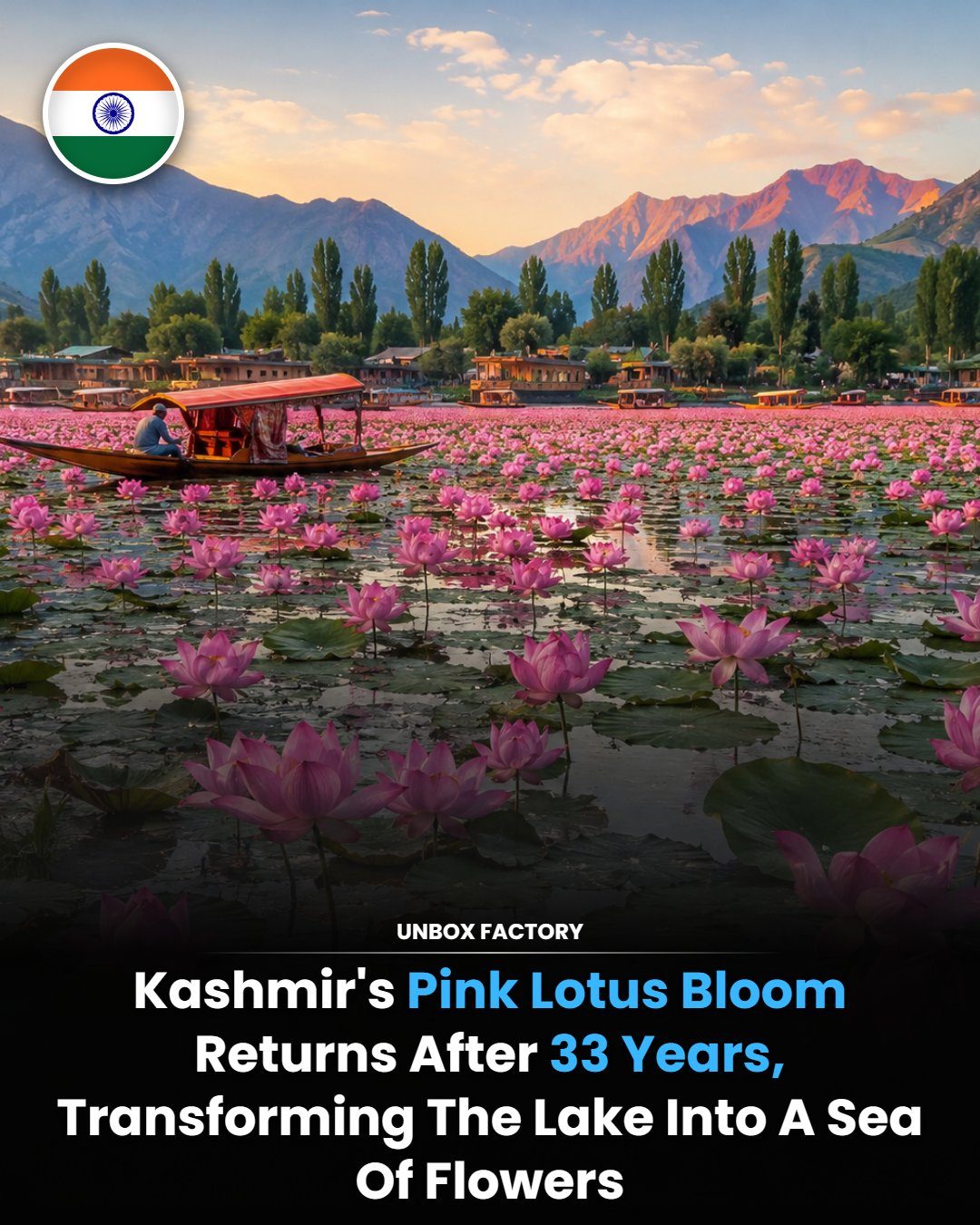
The Spectacular Return of Kashmir's Pink Lotus Blooms
Dal Lake in Kashmir has been transformed by a vibrant spectacle: the return of vast pink lotus blooms, a phenomenon not seen in 33 years. This breathtaking transformation has turned large sections of the lake into a sea of flowers, painting a vivid picture of natural revival and ecological harmony. Scientists credit this resurgence to a combination of improved water quality, successful habitat restoration efforts, consistent rainfall, and a reduction in pollution. The return of the lotus blooms is more than just a visual marvel—it signifies a significant recovery in the region's wetlands.
Context: The Ecological Significance of Lotus Wetlands
Lotus wetlands serve a vital ecological role. They naturally filter water, store carbon, mitigate erosion, and provide essential habitats for various species, including fish, migratory birds, and countless aquatic organisms. The revival of the lotus blooms in Kashmir's wetlands is a testament to the effectiveness of conservation efforts and a beacon of hope for environmental restoration in the region.
The Phenomenon: 33 Years in the Making
The appearance of these pink lotuses is a monument to nature's resilience. For over three decades, the wetlands of Kashmir were devoid of this vibrant floral display. The transformation, as seen in stunning visuals, showcases a traditional wooden boat gliding through the lake, surrounded by a vibrant carpet of pink lotus blooms. The majestic mountains and clear skies in the backdrop add to the serene atmosphere, making it a sight to behold.
Improved Water Quality
One of the key factors contributing to the return of the lotus blooms is the significant improvement in water quality. Efficient water management practices and reduced pollution have created an environment conducive to the growth of these delicate flowers. The restoration of water quality is crucial for the survival of aquatic life and the overall health of the wetland ecosystem.
Habitat Restoration Efforts
Conservationists have been tirelessly working on habitat restoration efforts to revive the wetlands. These efforts include planting native vegetation, controlling invasive species, and creating suitable habitats for local wildlife. The restoration work has not only aided in the return of the lotus blooms but also provided a stable environment for other plant and animal species.
Favorable Rainfall
Favorable rainfall patterns have also played a pivotal role in the revival of the lotus blooms. Consistent and adequate rainfall ensures that the wetlands receive the necessary water to support diverse flora and fauna. The rainfall helps in maintaining the ecological balance and promotes the growth of lotus flowers.
Reduced Pollution
The reduction in pollution levels has been a significant factor in the ecological recovery of the wetlands. Efforts to minimize industrial and domestic pollution have led to cleaner water, which in turn supports the growth of lotus blooms and other aquatic plants. Reducing pollution has not only improved the water quality but also enhanced the overall ecosystem health of the wetlands.
Practical Tips for Sustainable Wetland Conservation
Conserving wetlands like those in Kashmir requires a collective effort. Here are some practical tips to ensure the sustainability of these vital ecosystems:
Support Local Conservation Initiatives
Supporting local conservation initiatives and organizations that work towards the preservation of wetlands helps in maintaining the ecological balance. This support can come in the form of donations, volunteering, or participating in community-driven conservation projects.
Reduce, Reuse, Recycle
Minimizing waste and practicing the 3Rs (reduce, reuse, recycle) helps in reducing pollution, which is crucial for the health of wetlands. By reducing the amount of waste that ends up in water bodies, we can maintain cleaner water and support the growth of aquatic plants and animals.
Promote Sustainable Agriculture
Encouraging sustainable agricultural practices helps in reducing the use of harmful chemicals and fertilizers that can pollute water bodies. These practices also contribute to the overall health of the environment, including wetlands.
Educate and Raise Awareness
Raising awareness about the importance of wetlands and their ecological role is essential. Educating people about the significance of wetlands and the threats they face can motivate more individuals to participate in conservation efforts. This can be done through workshops, seminars, and community outreach programs.
Important Takeaways
The return of the pink lotus blooms to Kashmir's wetlands is a remarkable environmental success story. This phenomenon highlights the importance of water quality, habitat restoration, rainfall, and pollution reduction in the health of wetlands. The ecological benefits of lotus wetlands are invaluable, providing clean water, carbon storage, erosion control, and habitat for various species. The resurgence of the blooms serves as an inspiration for ongoing and future conservation efforts.
Conclusion
The revival of the pink lotus blooms in Kashmir's wetlands is a stunning example of nature's resilience and the impact of successful conservation efforts. This transformation not only enhances the aesthetic beauty of the region but also underscores the ecological significance of wetlands. By understanding the factors that contributed to this revival and implementing sustainable practices, we can continue to protect and preserve these vital ecosystems for future generations.
Watch the Reel
Questions readers ask
Why have pink lotus blooms returned to Dal Lake after such a long absence?
The return of pink lotus blooms to Dal Lake is attributed to several factors, including improved water quality, effective habitat restoration, consistent rainfall, and reduced pollution. These elements combined have created an environment conducive to the growth of the vibrant pink lotus flowers, which were absent for 33 years.
What is the significance of the pink lotus blooms in Dal Lake?
The pink lotus blooms in Dal Lake are more than just a beautiful sight; they symbolize a significant recovery in the region's wetlands. The return of these flowers indicates a healthier ecosystem, improved water quality, and successful conservation efforts. The blooms also reflect the natural resurgence and ecological harmony in Kashmir.
What efforts have contributed to the transformation of Dal Lake?
Various conservation efforts have played a crucial role in the transformation of Dal Lake. These include habitat restoration, improved water management, reduction in pollution, and consistent monitoring. These efforts have collectively led to the improvement of water quality, providing an environment in which lotus blooms can thrive.
How do lotus wetlands benefit the environment?
Lotus wetlands play a vital role in the environment by naturally filtering water and storing carbon. They help to maintain water quality, support biodiversity, and mitigate the impacts of climate change. The return of pink lotus blooms in Dal Lake highlights the ecological benefits of healthy wetlands.
What does the return of the pink lotus blooms mean for Kashmir's environmental future?
The return of the pink lotus blooms is a positive sign for Kashmir's environmental future. It indicates that conservation efforts are effective and that the ecosystem is recovering. This resurgence encourages continued environmental stewardship and provides hope for further ecological improvements in the region.
How have water quality improvements contributed to the return of the pink lotus?
Improved water quality in Dal Lake has created a healthier environment for the pink lotus to grow. This includes reducing pollutants, managing water levels, and maintaining a balanced ecosystem. The cleaner water allows the lotus to absorb necessary nutrients and thrive, leading to the stunning blooms seen today.
What role does consistent rainfall play in the return of the pink lotus blooms?
Consistent rainfall has been crucial in the return of the pink lotus blooms. It provides the necessary hydration for the plants to grow and flourish. The rain also helps to maintain the water levels in Dal Lake, ensuring that the wetland environment remains suitable for the lotus to bloom.
Related deep dives
Similar reads based on topic and creator.




Recent articles
Fresh deep dives from the latest Reels we unpacked.




Comments
Be the first to comment.