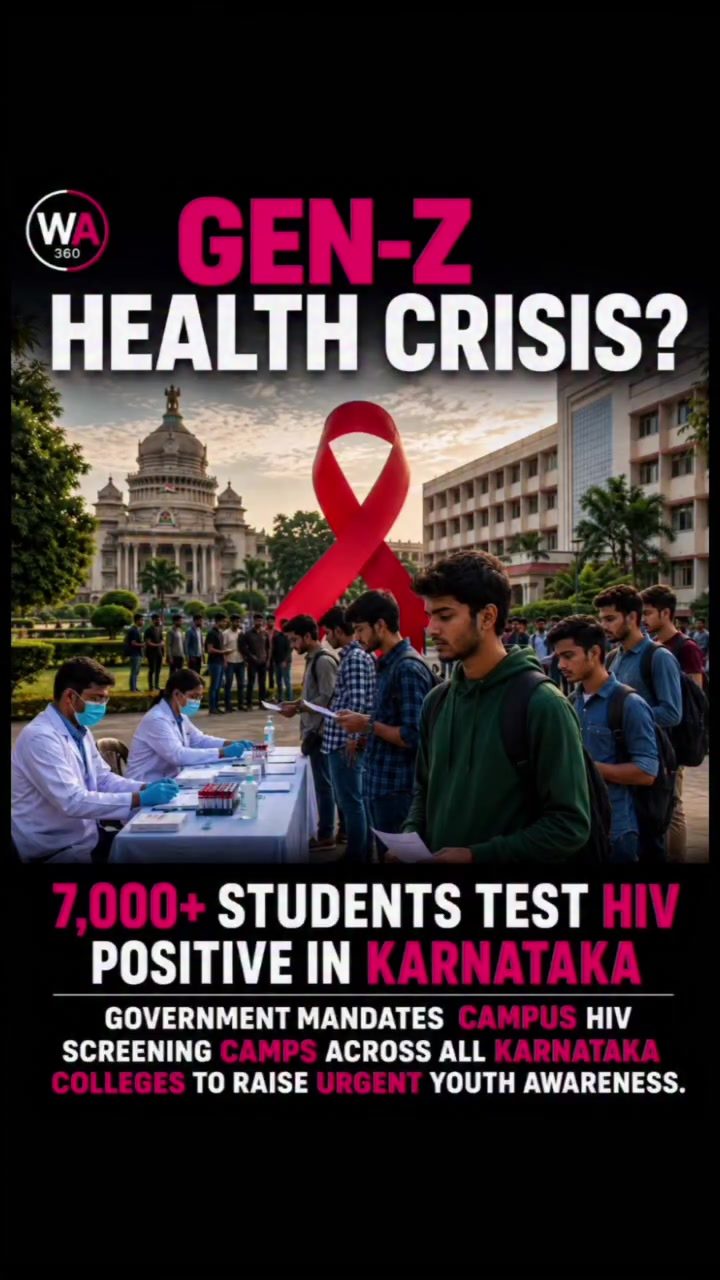
HIV Awareness Campaign in Karnataka
The recent revelation that over 7,000 students in Karnataka have tested HIV positive has sparked a critical conversation about youth health and HIV awareness. This alarming figure has driven discussions about the implementation of campus HIV screening programs and the importance of early testing and accurate information in preventing the spread of HIV.
Context: Why This Matters
The health crisis in Karnataka underscores the urgent need for comprehensive HIV awareness initiatives, particularly among young people. Early detection, awareness, and responsible health practices are essential in managing and preventing the spread of HIV. By focusing on accurate information and accessible healthcare, educational institutions can play a pivotal role in reducing the stigma associated with HIV and supporting a healthier generation.
Main Discussion
The Significance of Early Testing
Early testing for HIV is crucial for several reasons:
- Prevention of Spread: Early detection helps prevent the spread of the virus by allowing individuals to take necessary precautions and seek medical care.
- Access to Treatment: When detected early, HIV can be managed effectively with antiretroviral therapy, improving the quality of life for those affected.
- Reduced Stigma: Promoting awareness and understanding about HIV can help reduce the stigma associated with the condition, encouraging open dialogue and support.
The Role of Campus Screening Programs
Campus screening programs are an essential component in the fight against HIV. These programs offer several benefits:
- Convenience and Accessibility: By making screening services readily available on campus, students can easily access testing without the need to travel to off-campus facilities.
- Education and Awareness: Screening programs often come with educational components, helping students understand the importance of regular testing and how to protect themselves and others.
- Support and Counseling: Follow-up support, including counseling and medical care, ensures that students receive the necessary assistance, reducing the fear and isolation that can accompany an HIV diagnosis.
Government Mandates and Initiatives
The Karnataka government has mandated HIV screening camps across all colleges in the state to raise urgent youth awareness. These mandates aim to:
- Increase Awareness: By making HIV screening a part of routine health checks, the government aims to increase awareness and understanding of the disease.
- Ensure Regular Monitoring: Regular screening ensures that any potential cases are detected early, allowing for timely intervention and treatment.
The Impact of Accurate Information
Accurate information about HIV is vital for prevention and management. When students understand the facts about the virus, such as transmission methods and prevention strategies, they are better equipped to protect themselves and others. This knowledge empowers youth to make informed decisions about their health and the health of their communities.
Practical Tips
For Students
- Regular Screening: Make it a habit to get screened regularly, even if you do not exhibit any symptoms.
- Safe Practices: Engage in safe practices such as using protection during sexual activities and avoiding sharing needles or other sharp objects.
- Knowledge Sharing: Share accurate information with peers to dispel myths and reduce stigma.
For Educational Institutions
- Educational Programs: Incorporate HIV awareness into the curriculum to ensure that all students are well-informed.
- Support Services: Provide comprehensive support services, including counseling and medical care, to students who test positive.
- Stigma Reduction: Promote an environment of acceptance and support, encouraging open discussions about HIV.
For Health Care Providers
- Regular Training: Ensure that healthcare providers are well-trained in handling HIV cases and providing the necessary support.
- Accessible Services: Make healthcare services accessible and non-judgmental to encourage more people to get tested.
- Community Outreach: Engage in community outreach programs to reach those who might not have access to regular healthcare services.
Important Takeaways
- Early Testing is Critical: Early detection and management of HIV can significantly improve the quality of life for those affected and reduce the spread of the virus.
- Awareness and Education: Proper education and awareness are key to reducing stigma and empowering youth to take control of their health.
- Government Role: Government mandates and initiatives play a crucial role in ensuring widespread awareness and accessibility to HIV screening and treatment.
- Community Support: A supportive community environment is essential for encouraging open dialogue and reducing the fear and stigma associated with HIV.
Conclusion
The growing concern regarding HIV among students in Karnataka highlights the urgent need for increased awareness, early testing, and comprehensive health initiatives. By focusing on these areas, we can create a safer and healthier environment for our youth, empowering them to lead informed and responsible lives. The fight against HIV requires collective effort and support from educational institutions, healthcare providers, and the community at large.
Watch the Reel
Questions readers ask
Why is Karnataka implementing urgent HIV screening campaigns for students?
Karnataka has implemented urgent HIV screening campaigns in response to a significant increase in HIV cases among students. The goal is to promote early detection and prevent further spread of the virus through accessible and accurate health information.
What is the significance of early HIV detection in students?
Early detection of HIV in students is crucial for several reasons. It allows for timely treatment, reduces the risk of transmission, and provides an opportunity for students to receive support and live a healthy life.
How can students in Karnataka access HIV screening and support?
Students in Karnataka can access HIV screening through campus health initiatives and awareness campaigns. These programs aim to provide accessible and accurate health information, and support for those who test positive.
What role do awareness initiatives play in preventing the spread of HIV among youth?
Awareness initiatives are vital in preventing the spread of HIV among youth. They help dispel myths and stigma, promote safe practices, and encourage regular testing, all of which are essential for controlling the HIV crisis in Karnataka.
What can students do to support friends or peers who test positive for HIV?
Students can support friends or peers who test positive for HIV by being informed, empathetic, and non-judgmental. Encourage them to seek medical help and adhere to treatment, and help them access support groups and resources.
How can educational institutions contribute to HIV prevention among students?
Educational institutions can contribute to HIV prevention by implementing campus health initiatives, providing accurate information, promoting awareness, and offering regular screening and support services. This holistic approach helps create a supportive environment for students.
What resources are available for youth in Karnataka to learn about HIV?
Youth in Karnataka can access resources through government health departments, NGOs, and campus initiatives. These resources provide accurate information about HIV, its transmission, prevention, and support services available for those living with the virus.
Related deep dives
Similar reads based on topic and creator.



Recent articles
Fresh deep dives from the latest Reels we unpacked.




Comments
Be the first to comment.