Robotic Mouth Engineering
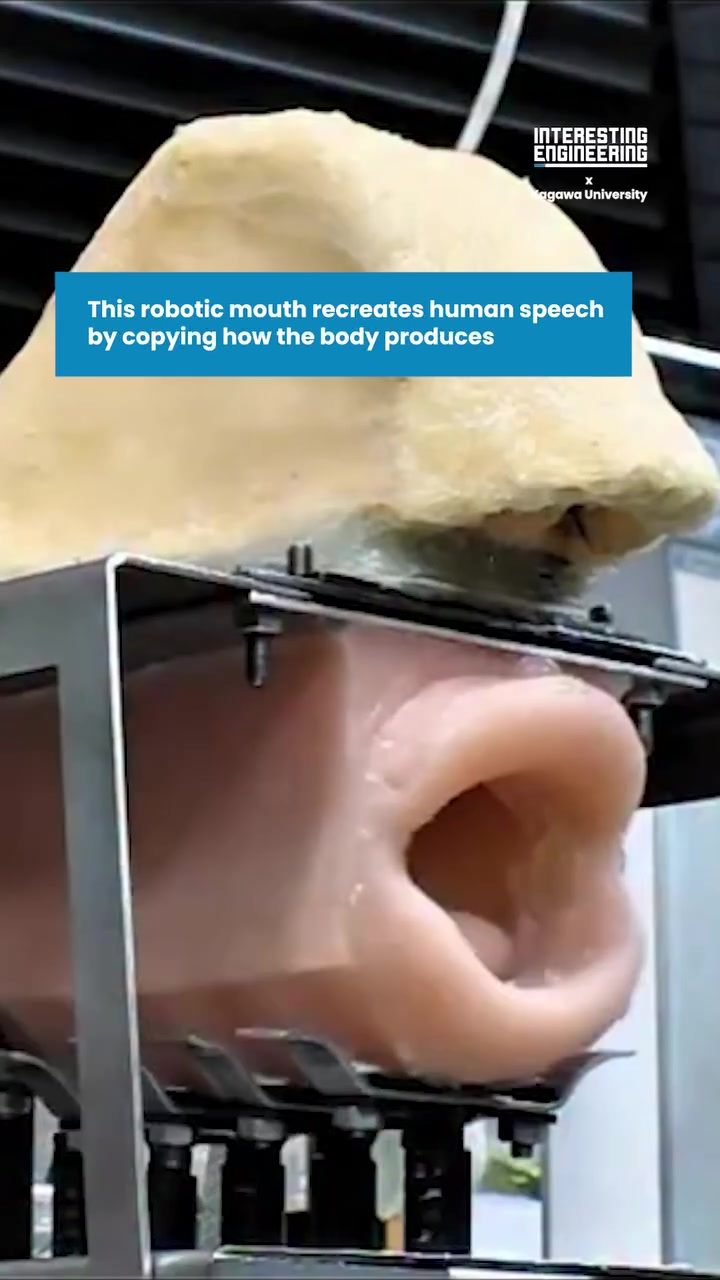
Robotic mouth technology, developed at Kagawa University, innovates the way speech is replicated. Unlike traditional digital methods, this device physically mimics human speech using an air pump, silicone parts, and artificial vocal cords. This approach opens up new possibilities for speech therapy, prosthetics, and beyond. Let’s delve into the fascinating world of robotic mouth engineering, its implications, and the practical applications of such technology.
Why This Matters
Robotic mouth technology represents a significant advancement in the field of speech replication and prosthetics. The traditional methods of synthesizing speech rely heavily on digital voice systems and text-to-speech technology. These systems, while effective, lack the nuanced physicality that comes with human speech. By contrast, the robotic mouth at Kagawa University takes a more organic approach, using physical components to replicate human speech mechanisms.
How the Technology Works
The robotic mouth is designed to mimic the complex process of human speech. It uses an air pump to simulate the action of lungs, pumping air through a system of flexible silicone parts that act like a tongue. This system is complemented by eight artificial vocal cords, which control the pitch and tone of the spoken words. Together, these components create a system that physically replicates the natural process of human speech.
The Role of Air Pumps and Silicone Parts
At the core of the robotic mouth’s functionality is an air pump. This pump works similarly to human lungs, pushing air through a series of flexible silicone parts. These silicone parts are designed to mimic the movements of a human tongue, allowing for the articulation of different sounds and words. This approach ensures that the speech produced is not just digitally synthesized but physically articulated, giving it a more natural and human-like quality.
Artificial Vocal Cords and Pitch Control
The artificial vocal cords play a crucial role in modulating the pitch and tone of the speech. These cords are meticulously designed to replicate the function of human vocal cords, which vibrate to produce different sounds and pitches. This feature allows the robotic mouth to produce a wide range of tones, making the speech sound more natural and expressive.
Practical Applications of Robotic Mouth Technology
The potential applications of robotic mouth technology are vast and varied. Here are some of the most promising areas where this technology could make a significant impact:
Speech Therapy
For individuals who have lost the ability to speak due to injuries or medical conditions, robotic mouth technology could be a game-changer. By providing a physical means to replicate speech, it could offer a more natural and less invasive alternative to traditional speech therapy methods. The ability to physically articulate words could also help in the recovery process, as patients can practice and improve their speech more effectively.
Prosthetics
In the field of prosthetics, robotic mouth technology could be integrated into advanced prostheses for individuals who have lost facial features or the ability to speak. These prostheses could provide a more natural and expressive way for users to communicate, enhancing their quality of life and social interactions. The ability to replicate human-like speech could also make these prostheses more socially acceptable and less stigmatizing.
Entertainment and Education
Robotic mouth technology can also be used in the entertainment and education industries. For instance, it could be integrated into animatronics and robots used in theme parks, museums, and educational exhibits. The ability to produce natural, expressive speech would make these robots more engaging and lifelike, enhancing the overall experience for visitors. Additionally, it could be used in language learning tools, providing students with a more immersive and interactive way to learn new languages.
Practical Tips for Developing Robotic Mouth Technology
Developing robotic mouth technology involves a combination of mechanical engineering, material science, and biomedical expertise. Here are some practical tips for researchers and engineers working in this field:
Focus on Material Science
The choice of materials is critical in developing a functional and durable robotic mouth. Silicone is an excellent choice for its flexibility and durability, but researchers should also explore other materials that could offer improved performance. For example, advanced polymers and composites could provide better articulation and durability.
Optimize Air Pump Design
The air pump is a vital component of the robotic mouth, and its design should be optimized for efficiency and reliability. Researchers should focus on developing pumps that can provide a consistent and controlled flow of air, ensuring that the speech produced is clear and articulate.
Advanced Vocal Cord Design
The design of artificial vocal cords is another crucial aspect of robotic mouth technology. Researchers should aim to create vocal cords that can replicate the full range of human vocalizations, including different pitches, tones, and accents. This could involve experimenting with different materials, shapes, and vibration mechanisms.
Important Takeaways
Robotic mouth technology developed at Kagawa University represents a groundbreaking advancement in the field of speech replication and prosthetics. By combining an air pump, silicone parts, and artificial vocal cords, this technology offers a more natural and expressive way to replicate human speech. The potential applications of this technology are vast, ranging from speech therapy and prosthetics to entertainment and education. However, developing this technology involves significant challenges, particularly in the areas of material science, mechanical engineering, and biomedical engineering. By overcoming these challenges, researchers and engineers can unlock the full potential of robotic mouth technology, improving the lives of individuals with speech impairments and enhancing the capabilities of advanced prostheses and robotic systems.
Conclusion
The robotic mouth developed at Kagawa University is a testament to the innovative potential of engineering and biomedical research. By physically replicating human speech mechanisms, this technology offers a more natural and expressive way to communicate. As researchers and engineers continue to refine and improve this technology, the possibilities for its application are endless. From enhancing the lives of individuals with speech impairments to revolutionizing the fields of prosthetics, entertainment, and education, robotic mouth technology has the potential to make a significant impact on society.
Watch the Reel
Questions readers ask
How does the robotic mouth created by Kagawa University mimic human speech?
The robotic mouth utilizes an air pump to generate airflow, similar to human lungs. This airflow interacts with silicone parts that emulate the tongue and artificial vocal cords, replicating the physical processes of human speech.
What are the main components of the robotic mouth technology?
The key components include an air pump to simulate breath, silicone parts to mimic the tongue's movements, and artificial vocal cords to produce sound. These parts work together to create a physical representation of human speech.
How does this technology differ from traditional text-to-speech systems?
Unlike traditional text-to-speech systems that rely solely on digital voice synthesis, the robotic mouth physically mimics the processes of human speech. This includes the use of mechanical parts to replicate tongue movements and vocal cord vibrations, providing a more natural and nuanced speech output.
What are the potential applications of this robotic mouth technology in speech therapy?
The robotic mouth can be used to provide patients with a visual and auditory representation of how sounds are formed. This can help patients better understand and practice the physical aspects of speech, aiding in the development of speech therapy robots that can assist in rehabilitation.
Can the robotic mouth technology be integrated into prosthetic devices?
Yes, the technology is particularly promising for use in prosthetics. The robotic mouth can be adapted to create bionic speech technology, providing individuals with speech impairments the ability to communicate more naturally. This integration could greatly enhance the functionality of human speech prosthetics.
What challenges might be faced in developing and implementing this technology?
Developing this technology involves overcoming significant engineering challenges, such as fine-tuning the air pump and silicone parts to replicate the complex movements of the human mouth. Additionally, ensuring that the artificial vocal cords produce accurate and natural-sounding speech is a key hurdle to refine.
How might the robotic mouth technology advance beyond speech therapy and prosthetics?
In addition to speech therapy and prosthetics, the technology could be used in research to better understand the mechanics of human speech. Furthermore, it could be applied in entertainment, such as creating more realistic voice synthesis for animated characters or virtual assistants.
Related deep dives
Similar reads based on topic and creator.


Recent articles
Fresh deep dives from the latest Reels we unpacked.




Comments
Be the first to comment.