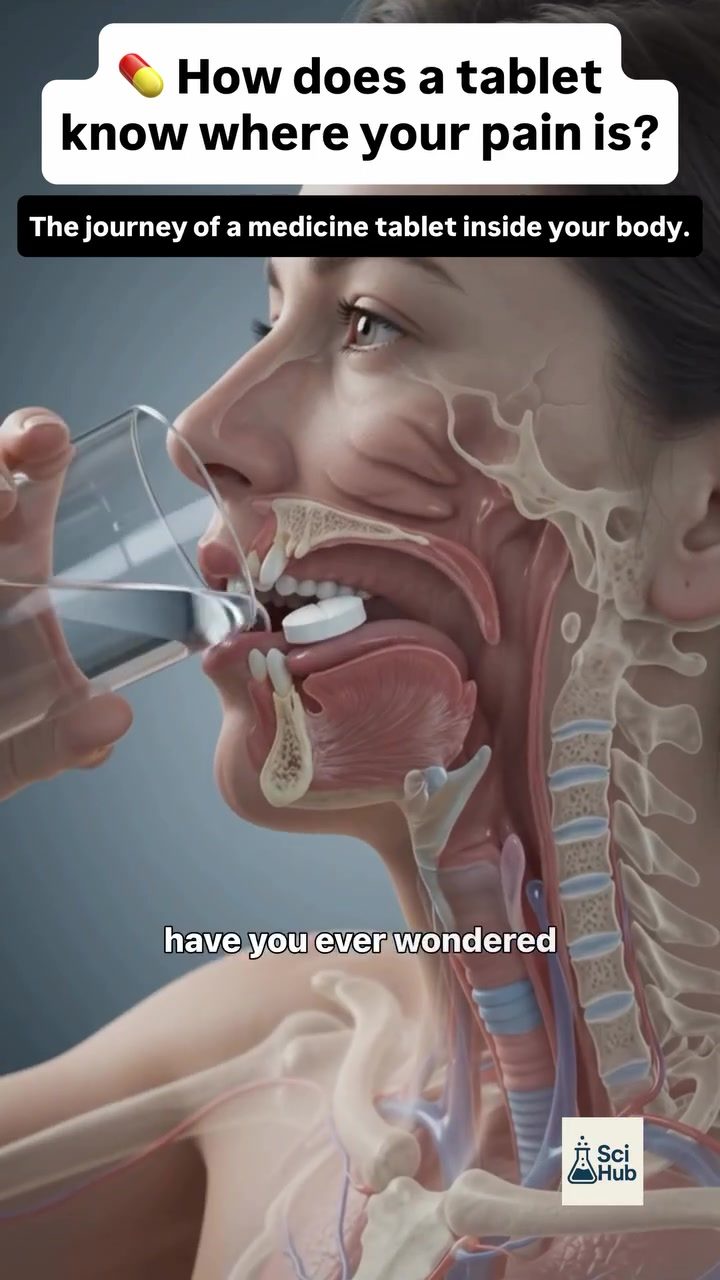
Medicine tablets are ubiquitous in modern healthcare, but have you ever stopped to consider how a tiny tablet can target specific ailments within the body? The journey of a medicine tablet from ingestion to its therapeutic effect is a fascinating process that involves the digestive system, bloodstream, and cellular interactions.
Context / Why this matters
Understanding how medicine tablets work can demystify the healing process and provide insights into the intricate design of the human body. This knowledge can help individuals appreciate the complexity of pharmacological treatments and the body's natural mechanisms for delivering medicine to where it is needed most.
The Journey of a Medicine Tablet
The story of a medicine tablet begins the moment it is swallowed. From there, it embarks on a detailed journey through the body's digestive and circulatory systems. Here's a step-by-step breakdown of this remarkable process:
Ingestion and Dissolution
After swallowing a tablet, it travels down the esophagus, also known as the food pipe, and enters the stomach. The stomach is a crucial part of the digestive process, but it is not where the tablet's active ingredients are fully released. The tablet then moves into the small intestine, where it starts to dissolve. This is where the real magic happens—the tablet begins to break down, releasing its medicinal components into the intestinal tract.
Absorption and Circulation
Most medicines are absorbed in the small intestine. This is due to the intestines' extensive surface area, which is enhanced by tiny, finger-like projections called villi. Once the medicine is absorbed, it enters the bloodstream. The bloodstream then carries the medicine throughout the body, ensuring that it reaches every necessary part.
Targeted Action
Different medicines work in different ways, and they don't have an inbuilt GPS to guide them to their target. Instead, they travel throughout the bloodstream until they encounter the right target—whether that's an area of infection, inflammation, or pain. Only then do they start to exert their therapeutic effects. This targeted action is why medicines can be so effective at treating specific conditions.
Types of Medicine Tablets
Medicine tablets come in various forms, each designed to address specific health needs. Some common types include:
Analgesics
These are pain-relieving medicines that work by blocking pain signals or reducing inflammation. Examples include acetaminophen and ibuprofen. Analgesics are often used to treat headaches, muscle pain, and joint pain.
Antibiotics
Antibiotics are used to combat bacterial infections. They work by either killing bacteria directly or preventing them from reproducing. Although they are effective against bacteria, they are not useful for viral infections.
Anti-inflammatory Drugs
These medicines reduce inflammation in the body, which can help alleviate symptoms of conditions like arthritis, asthma, and Crohn's disease. Common anti-inflammatory drugs include corticosteroids and nonsteroidal anti-inflammatory drugs (NSAIDs).
Antihistamines
Antihistamines are used to treat allergies by blocking the effects of histamine, a substance released by the body during an allergic reaction. They can help relieve symptoms like sneezing, itching, and runny nose. Over-the-counter antihistamines are often used to treat seasonal allergies and hives.
Practical Tips
When taking medicine tablets, there are several practical tips to keep in mind to ensure their effectiveness:
- Follow Prescriptions Carefully: Always take your medication as prescribed by your healthcare provider. This includes following the dosage and frequency instructions.
- Store Properly: Store your medicine in a cool, dry place unless otherwise directed. Keep them out of reach of children and pets.
- Read Labels: Pay attention to the expiration date and any special storage instructions on the label.
- Avoid Mixing with Certain Foods: Some medicines should not be taken with certain foods or beverages, as they can interfere with the medication's effectiveness. Always check with your healthcare provider or pharmacist.
- Stay Hydrated: Drinking plenty of water can help with the absorption and effectiveness of some medicines.
Important Takeaways
Understanding the journey of a medicine tablet through the body can provide valuable insights into how medications work and why they are effective. Here are some key takeaways:
- The body's digestion and circulatory systems play a crucial role in the delivery and distribution of medicine.
- Medicines don't have a built-in GPS; they travel through the bloodstream and work where they find the right target.
- Different medicines work in different ways, targeting specific ailments and conditions.
- Following prescription instructions and proper storage are essential for the effectiveness of medicine tablets.
Conclusion
The journey of a medicine tablet from ingestion to therapeutic action is a testament to the body's incredible design and the science behind pharmacology. By understanding this process, individuals can better appreciate the complexity of modern medicine and the importance of following proper medication guidelines. Whether dealing with a headache, infection, or inflammation, knowing how medicine tablets work can provide a deeper appreciation for the body's natural mechanisms and the role of pharmaceuticals in healthcare.
Watch the Reel
Questions readers ask
How does a medicine tablet begin its journey through the body?
Once swallowed, a medicine tablet first enters the stomach, where it begins to break down. The stomach's acidic environment helps to soften the tablet, preparing it for further dissolution in the small intestine.
What happens to the tablet in the small intestine?
In the small intestine, the tablet dissolves more completely, releasing its active ingredients. These ingredients are then absorbed into the bloodstream through the intestine's lining, marking the start of the medicine's journey through the body.
How does the medicine travel from the small intestine to the rest of the body?
After absorption, the medicine enters the bloodstream and is carried by the circulatory system to various parts of the body. This process allows the medicine to reach and target specific areas where it can exert its therapeutic effects.
Why is the small intestine crucial for tablet absorption?
The small intestine is crucial because it has a large surface area covered in tiny, finger-like projections called villi, which increase the area available for absorption. This extensive surface area facilitates the efficient uptake of medicinal components into the bloodstream.
How does the body respond to the medicine once it is in the bloodstream?
Once in the bloodstream, the medicine interacts with various cells and tissues. The body's response can vary depending on the type of medicine, but generally, it works to alleviate symptoms, fight infections, or address specific health issues by targeting the underlying cause of the ailment.
Can the stomach absorb medicine directly from a tablet?
The stomach plays a minor role in absorption compared to the small intestine. While some medicines may be designed for gastric absorption, most tablets are formulated to dissolve and be absorbed primarily in the small intestine due to its larger surface area and more favorable conditions for absorption.
What factors can influence the journey and effectiveness of a medicine tablet?
Several factors can influence this journey, including the formulation of the tablet, the individual's metabolism, the presence of food in the stomach, and the health of the digestive system. These factors can affect how quickly and efficiently the medicine is absorbed and delivered to its target areas.
Related deep dives
Similar reads based on topic and creator.




Recent articles
Fresh deep dives from the latest Reels we unpacked.




Comments
Be the first to comment.