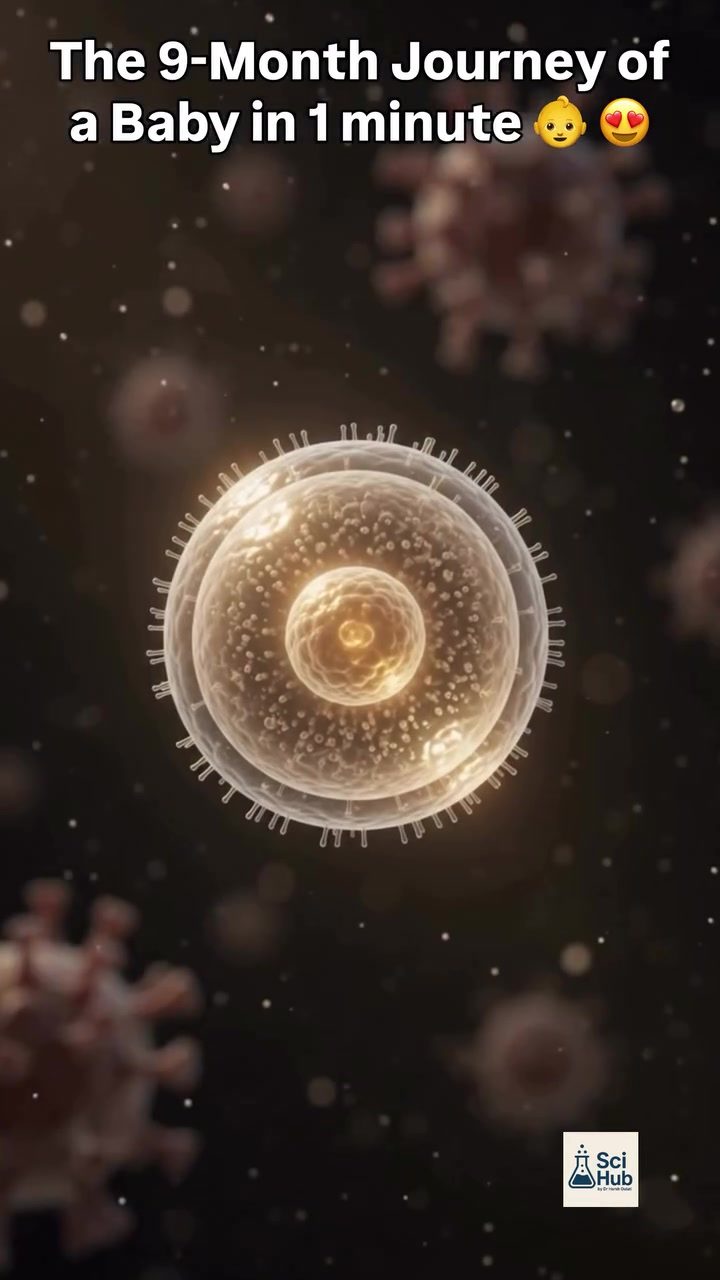
Fetal Development: The Journey from Single Cell to Newborn
Fetal development is a remarkable journey that transforms a single fertilized cell into a fully developed baby over 40 weeks. This process is carefully coordinated, with each stage building upon the last to create one of the most intricate biological processes in the human body.
Why This Matters
Understanding fetal development is crucial for appreciating the complexity of human life. From the formation of major organs to the development of sensory systems, every stage of pregnancy is a testament to the body's ability to create new life. Whether you're preparing for parenthood or simply curious about the intricacies of human biology, knowing the key milestones can provide a deeper appreciation for the miracle of life.
The Stages of Fetal Development
Early Development: Weeks 1-4
The journey begins with a single fertilized cell, which rapidly divides to form a blastocyst. This tiny cluster of cells travels toward the uterus, where it implants itself into the uterine lining. By the fourth week, the embryo begins to develop rapidly, and one of the most crucial milestones appears: the formation of the placenta. The placenta will play a vital role in supporting the embryo's growth by providing essential nutrients and oxygen.
Rapid Growth: Weeks 5-8
Between weeks five and eight, fetal development accelerates dramatically. The brain begins to grow rapidly, and the nervous system becomes more organized. During this stage, tiny arms and legs start to take shape, setting the foundation for the baby's future movements. The formation of the heart and the beginnings of the circulatory system are also critical developments during this period.
First Trimester: Weeks 9-12
By the end of the first trimester, the embryo takes on a more recognizable form. Tiny fingers and toes are fully formed, and facial features become distinct. Most major organs, including the liver, kidneys, and digestive system, have begun to develop. The embryo is now officially referred to as a fetus, marking the transition into the next phase of development.
Second Trimester: Weeks 13-27
During the second trimester, the baby becomes much more active. Tiny kicks, stretches, and hand movements become frequent, and the baby's senses start to develop. The hearing system, in particular, becomes functional around this stage, allowing the fetus to pick up vibrations and sounds from the outside world. The baby's eyes, which have been fused shut, begin to open, and the lungs start to prepare for breathing by practicing respiratory movements.
Third Trimester: Weeks 28-40
As pregnancy progresses into the third trimester, the baby's lungs continue to mature. The brain develops rapidly, forming billions of new neural connections that will support learning, memory, and movement. The baby spends much of the day alternating between sleeping and waking in regular cycles, preparing for life outside the womb. The final weeks are crucial for the baby's overall development, as the organs and systems finalize their preparations for birth.
Practical Tips for Pregnancy
Nutrition and Exercise
Maintaining a balanced diet and engaging in regular, gentle exercise can support fetal development. Foods rich in folic acid, iron, and calcium are particularly important for the growing baby. Consulting with a healthcare provider can help ensure that you're meeting all the necessary nutritional needs.
Prenatal Care
Regular prenatal check-ups are essential for monitoring the baby's development and detecting any potential issues early. These visits typically include ultrasounds, blood tests, and discussions about any concerns.
Emotional Well-being
Prenatal stress can impact fetal development, so taking care of your emotional health is just as important as your physical health. Practices like prenatal yoga, meditation, and supportive social connections can help manage stress levels.
Avoiding Harmful Substances
It's crucial to avoid alcohol, tobacco, and certain medications during pregnancy, as these substances can harm the developing baby. Always consult your healthcare provider before taking any medication, even over-the-counter drugs.
Important Takeaways
- Fetal development is a complex and coordinated process that involves the rapid growth and differentiation of cells into fully formed organs and systems.
- Each trimester has unique milestones that are essential for the baby's overall development.
- Prenatal care and lifestyle choices play a significant role in supporting a healthy pregnancy and fetal development.
- Emotional and physical well-being during pregnancy can impact the baby's development and future health.
Conclusion
The journey from a single fertilized cell to a fully developed baby is one of the most extraordinary processes in nature. Understanding the key milestones and stages of fetal development can provide a deeper appreciation for the remarkable biological journey that every human life undertakes. Whether you’re a future parent or simply fascinated by human biology, knowing more about fetal development offers a unique insight into the intricate workings of the body.
Watch the Reel
Questions readers ask
How many weeks does the process of human fetal development last?
Fetal development spans 40 weeks, beginning from the time of fertilization and culminating in the birth of a newborn.
What are the key milestones in fetal development during the first 40 weeks?
Key milestones include the formation of major organs, the development of sensory systems, and the rapid growth of the fetus to prepare for life outside the womb. The most crucial stages are the first trimester, which includes organ formation and the second and third trimesters, which involve growth and maturation.
How quickly does the fetus develop during the first 40 weeks of pregnancy?
Fetal development is characterized by rapid growth and change. In the first trimester, organs and systems begin to form. During the second and third trimesters, the fetus experiences a significant increase in size, and the organs and systems mature in preparation for birth.
What are the most important stages of fetal development from a single cell to a newborn?
The most important stages include the first few weeks when the fertilized cell divides and forms a blastocyst, the embryonic stage (weeks 3-8) when major organs and systems begin to form, and the fetal stage (weeks 9-40) when the fetus grows rapidly and organs mature.
How does organ development in the fetus occur throughout the journey from a single cell to a newborn?
Organ development begins early in the embryonic stage. By the end of the 8th week, all major organs and systems have begun to form. As the fetus grows, these organs continue to develop and mature, reaching full functionality by the time of birth.
When does fetal brain development begin and what is the process like?
Fetal brain development begins early in the embryonic stage, around 3 weeks after conception. The brain grows rapidly, and by the end of the first trimester, the neural tube, which eventually forms the brain and spinal cord, is fully developed. Throughout the pregnancy, the brain continues to grow and develop, forming the complex structures needed for life outside the womb.
What is the fetal growth timeline during the first 40 weeks of pregnancy?
The fetal growth timeline is divided into three trimesters. The first trimester (weeks 1-12) sees the formation of major organs and systems. The second trimester (weeks 13-27) is marked by rapid growth and the development of sensory systems. The third trimester (weeks 28-40) involves further growth and maturation of the fetus, preparing it for delivery.
Related deep dives
Similar reads based on topic and creator.




Recent articles
Fresh deep dives from the latest Reels we unpacked.




Comments
Be the first to comment.