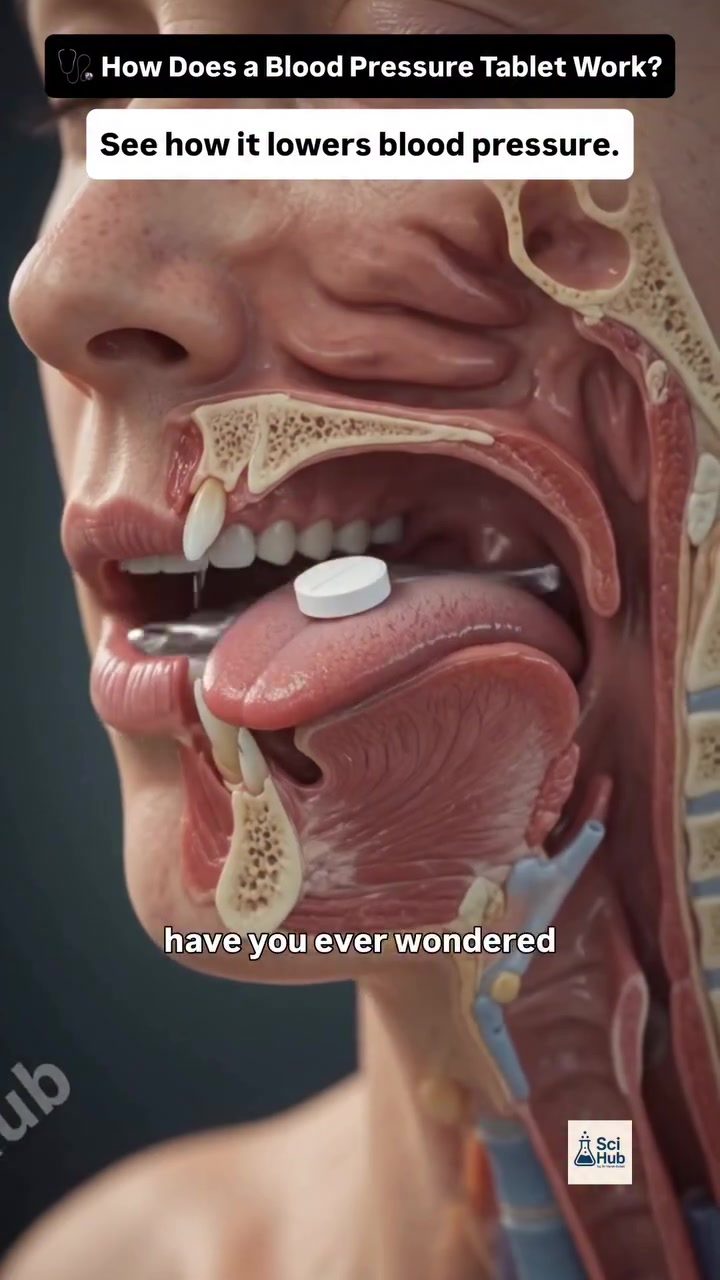
Blood Pressure Tablets: How They Work
Blood pressure tablets are a common treatment for hypertension, but how exactly do they work? Understanding the journey of a blood pressure tablet through the body can provide valuable insights into how these medications help manage blood pressure and support heart health.
Context: Why This Matters
High blood pressure, also known as hypertension, is a significant health concern that affects millions of people worldwide. It can lead to serious complications such as heart disease, stroke, and kidney problems. Blood pressure tablets are often prescribed to manage this condition, but the mechanisms by which they work can be complex. By understanding how these medications function, individuals can gain a better appreciation for their importance in maintaining cardiovascular health.
How Blood Pressure Tablets Work
The Journey of a Blood Pressure Tablet
When you swallow a blood pressure tablet, it begins a journey through your digestive system. The tablet travels down the esophagus into the stomach, where it starts to dissolve. Most blood pressure tablets are absorbed in the small intestine, which is designed to efficiently absorb nutrients and medications. From there, the active ingredients enter the bloodstream and begin their work.
Interacting with Blood Vessels
Once in the bloodstream, the medication travels to the blood vessels where it needs to exert its effects. Many blood pressure medications work by relaxing the muscles that surround the blood vessels. When these muscles tighten, the vessels narrow, reducing the space available for blood to flow. This narrowing forces the heart to pump harder to maintain adequate blood flow, leading to an increase in blood pressure.
Reducing Blood Pressure
The medication reaches the blood vessels and gently relaxes the muscles, causing the vessels to widen. As the vessels widen, blood flows more easily, reducing the workload on the heart and lowering blood pressure. This process helps to support healthier blood flow and overall heart function. By relaxing the blood vessels, the tablet makes it easier for the heart to pump blood, reducing the strain on this vital organ.
The Role of Different Blood Pressure Medications
It's important to note that different types of blood pressure medications work in various ways. Some medications, for example, block the effects of certain hormones that can cause blood vessels to narrow. Others work by reducing the volume of fluid in the body, which in turn reduces blood pressure. Still, others help the body produce less angiotensin, a hormone that causes blood vessels to narrow.
Practical Tips for Managing Blood Pressure
Follow Your Prescription
Always take your blood pressure medication as prescribed by your healthcare provider. Skipping doses or stopping the medication can lead to fluctuations in blood pressure, which can be dangerous.
Monitor Your Blood Pressure
Regularly monitor your blood pressure at home or with the help of a healthcare professional. This can help you and your doctor make necessary adjustments to your treatment plan.
Maintain a Healthy Lifestyle
In addition to medication, a healthy lifestyle can significantly impact your blood pressure. This includes eating a balanced diet, engaging in regular physical activity, maintaining a healthy weight, and avoiding tobacco and excessive alcohol.
Stay Informed
Stay informed about your condition and the medications you are taking. Understanding how your blood pressure medication works can empower you to take an active role in managing your health.
Important Takeaways
- Blood pressure tablets work by relaxing the muscles around blood vessels, allowing blood to flow more easily and reducing the workload on the heart.
- Different types of blood pressure medications function in various ways, such as blocking hormones, reducing fluid volume, or decreasing angiotensin production.
- Regularly monitoring your blood pressure and maintaining a healthy lifestyle are essential for managing hypertension effectively.
- Always follow your prescription and stay informed about your condition and treatment.
Conclusion
Blood pressure tablets play a crucial role in managing hypertension and supporting cardiovascular health. By understanding how these medications work, individuals can better appreciate their importance and take an active role in managing their health. Regular monitoring, a healthy lifestyle, and staying informed are key to effectively managing blood pressure and maintaining overall well-being.
Watch the Reel
Questions readers ask
How do blood pressure tablets help manage hypertension?
Blood pressure tablets primarily help manage hypertension by relaxing the blood vessels. This relaxation allows blood to flow more freely, reducing the force exerted on the vessel walls and lowering overall blood pressure. By doing so, these tablets help to decrease the heart's workload, making it easier for the heart to pump blood throughout the body.
What happens to a blood pressure tablet after it is swallowed?
After a blood pressure tablet is swallowed, it travels through the digestive system and is absorbed into the bloodstream. Once in the bloodstream, the active ingredients in the tablet interact with the body's systems to induce vasodilation, or the widening of blood vessels, which helps to improve blood flow and reduce blood pressure.
Why is reducing the heart's workload important in hypertension treatment?
Reducing the heart's workload is crucial in hypertension treatment because it decreases the heart's effort to pump blood around the body. By lowering the heart’s workload, the risk of complications such as heart disease and stroke is reduced, improving overall heart health and well-being.
Can blood pressure tablets be used as a quick remedy for high blood pressure?
Blood pressure tablets are not typically prescribed for immediate relief. They are more effective when taken regularly as part of a long-term treatment plan. It is important to consult with a healthcare provider before starting any blood pressure medication and never use it for immediate relief without professional guidance.
What are some common mechanisms by which blood pressure tablets work?
Blood pressure tablets work through various mechanisms, but the most common is by either blocking or dilating blood vessels. Some blockers prevent signals that narrow blood vessels, while others inhibit the production of hormones that cause the vessels to constrict. By doing so, these tablets help to maintain a consistent and safe blood pressure.
What role does the bloodstream play in the effectiveness of blood pressure tablets?
The bloodstream is essential for the effectiveness of blood pressure tablets. It transports the active ingredients from the tablets to the targeted areas in the body. Once in the bloodstream, these ingredients interact with the body's systems to help lower blood pressure and improve overall cardiovascular health.
How can understanding the journey of a blood pressure tablet help in managing hypertension?
Understanding the journey of a blood pressure tablet can help individuals better manage hypertension by providing a clearer picture of how these medications work. This knowledge can encourage adherence to prescribed treatment plans and motivate patients to make additional lifestyle changes that support heart health, such as maintaining a balanced diet and engaging in regular exercise.
Related deep dives
Similar reads based on topic and creator.

Recent articles
Fresh deep dives from the latest Reels we unpacked.




Comments
Be the first to comment.