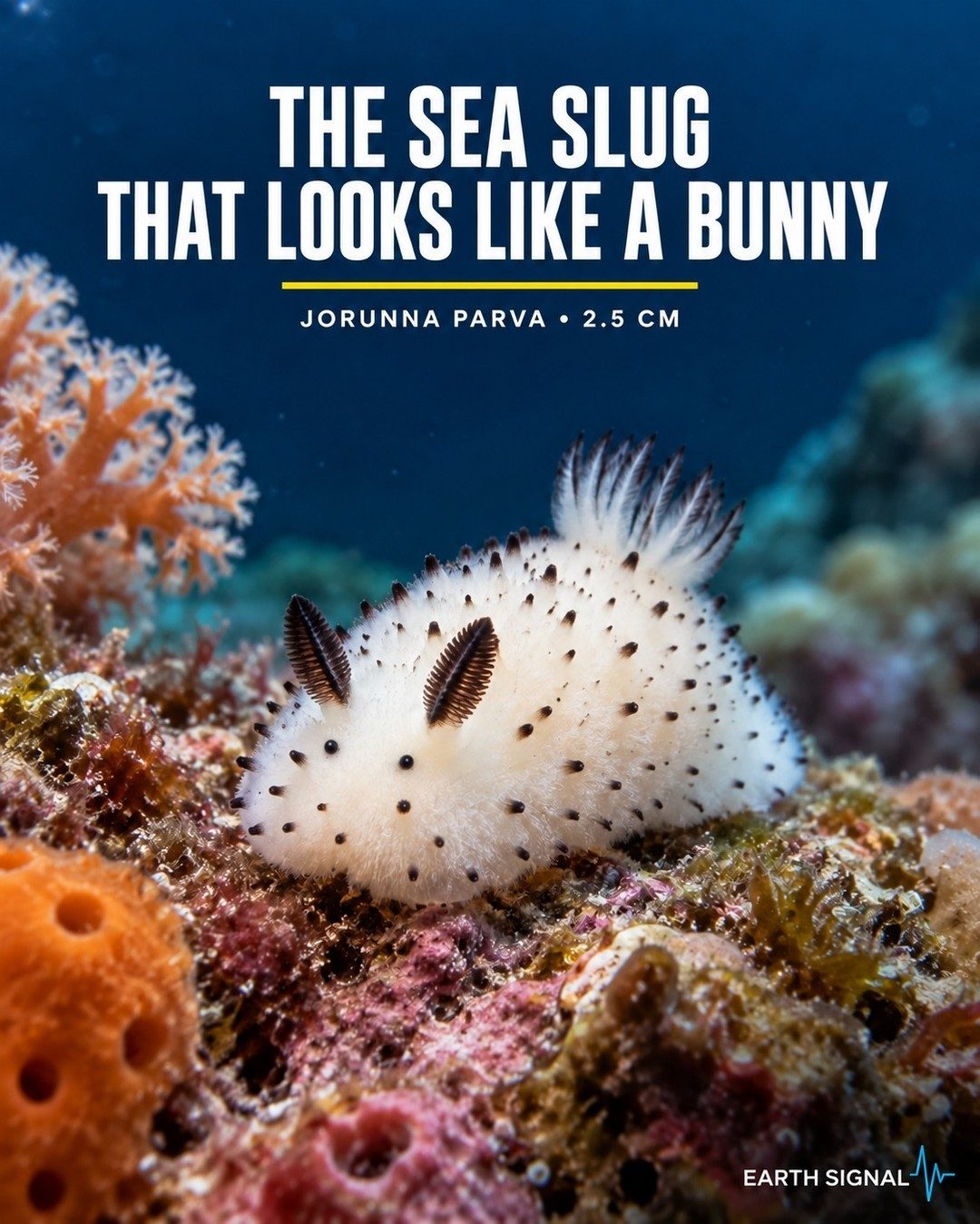
Bunny Slugs Under the Sea
The ocean is full of surprises. Including the Jorunna parva, a species called the bunny sea slug. It is fascinating how a small slug can resemble a bunny. This type of sea slug measures approximately 2.5 cm, and has soft, fluffy protrusions that give it a distinct, fuzzy look. The bunny sea slug's resemblance to a tiny, underwater rabbit is one of nature’s whimsiest coincidences, much like the kiwi bird bearing a name. With its small stature and soft texture, these creatures are not just visually appealling but also fascinating in their ecology. This includes their ability to change color to blend in with their surroundings, a mechanism likely to aid in their survival against predators.
The Vocabulary of Sea Slugs
An effective way to diversify your vocabulary is through observation. This varies greatly from the language of sea slugs. The Jorunna parva is a species of sea slug. Perhaps this is the place to attempt an onomatopoeia, and while the sea slugs of the oceanic coral have no sounds, their forms are a mystical idiom. Despite their soft appearance, the bunny slug possess unique defense mechanisms that are not immediately apparent. Through the process of kleptoplasty, they can steal the photosynthetic abilities from the algae they consume, converting sunlight into energy. This allows the slugs to survive while remaining stationary for long periods. The resulting reactive pigments also aid in camouflage, hiding them from predators in the dense coral reefs.
Sea Slugs for Sale
If you could take a bunny sea slug home, it would surely be a conversation starter. But first, the fluid situation of their underwater habitats is not a fitting environment for sea slugs. Unfortunately, this means that bunny sea slug should be left in their natural habitat. They are not aquarium friendly. The delicate equilibrium of the coral reefs where they reside might be the only place they can thrive.
Watch the Reel
Related deep dives
Similar reads based on topic and creator.


Recent articles
Fresh deep dives from the latest Reels we unpacked.




Comments
Be the first to comment.