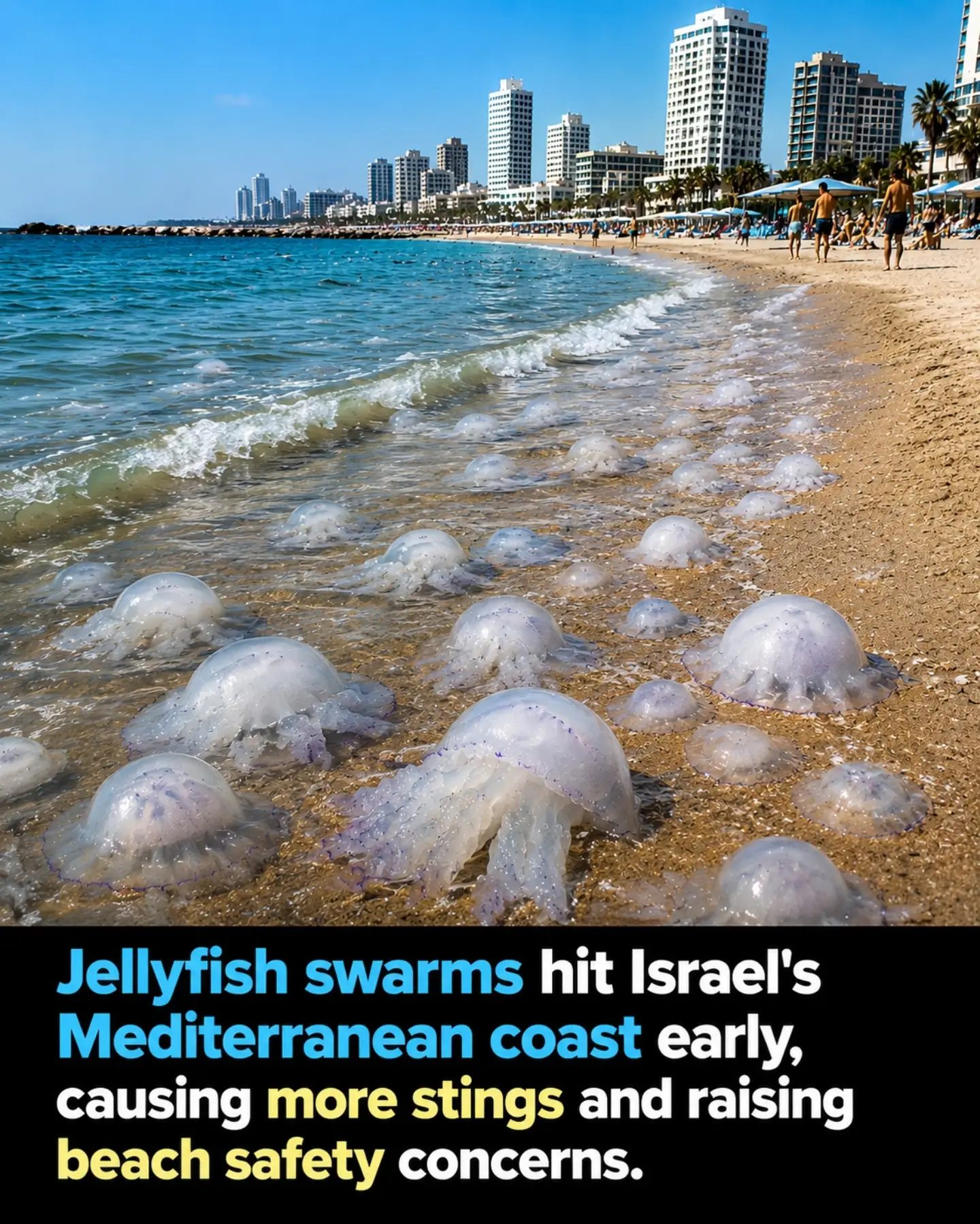
Jellyfish Swarms Along Israel's Mediterranean Coast
The Mediterranean coast of Israel has recently been experiencing an unusual phenomenon: large swarms of jellyfish. These jellyfish swarms are not just a curiosity; they are causing an increase in stings and raising significant safety concerns for beachgoers.
Why This Matters
Jellyfish swarms pose a real threat to public safety and local tourism. Understanding the causes, consequences, and preventive measures is crucial for both residents and visitors. Beach safety is paramount, and these swarms demand immediate attention and preparedness.
The Impact of Jellyfish Swarms
Increased Stings and Health Concerns
One of the most immediate impacts of jellyfish swarms is the rise in stings. Jellyfish can deliver painful stings, ranging from mild to severe, depending on the species. Some species found in the Mediterranean, such as the Lion's Mane jellyfish and the Portuguese Man o' War, can cause significant discomfort and even pose life-threatening risks to those with allergies.
These stings can lead to various health issues, including:
- Skin irritation and rashes
- Pain and swelling
- Respiratory issues, in severe cases
- Anaphylaxis, a severe allergic reaction, in the most extreme cases
Beach Safety Concerns
Beaches along the Mediterranean coast are popular tourist destinations, and these swarms have raised severe safety concerns. Beachgoers, including swimmers and those enjoying water activities, are at risk. The presence of jellyfish can make beach activities hazardous, leading to a potential decline in tourism. Beachgoers need to be vigilant and take appropriate precautions.
Economic Impact
The economic implications of these swarms are substantial. Tourism is a significant contributor to the local economy, and any disruption can have far-reaching effects. Reduced footfall on beaches can impact local businesses, including hotels, restaurants, and water sports operators. The economic cost of jellyfish swarms extends beyond immediate health concerns, affecting the livelihoods of many.
Practical Tips for Beachgoers
Precautions to Take
Given the risks, beachgoers need to take several precautions:
- Stay Informed: Always check local beach advisories and warnings. Many beaches have signs and announcements about jellyfish swarms and other water conditions.
- Wear Protective Gear: Consider wearing a full-body wetsuit or rash guard for added protection. Thermals and lycra suits can also provide a barrier against jellyfish stings.
- Use Sunscreen: While not a prevention method, sunscreen can help protect your skin from UV rays and reduce the irritation from potential stings.
- Avoid Swimming in Infested Areas: If jellyfish are present, avoid swimming in those areas. Stick to designated safe zones, and follow the advice of lifeguards.
- First Aid: Carry or know the basic first aid for jellyfish stings. Rinse the affected area with vinegar or saltwater, and seek medical attention if necessary.
- Stay Calm: Keep a calm demeanor if stung. Rushing to the beach exit can lead to more serious complications.
What to Do If Stung
While stings can be painful, it's essential to respond calmly and appropriately. Here are steps to follow if you or someone else gets stung:
- Rinse the Area: Use seawater or vinegar to rinse the affected area. Avoid using freshwater, as it can worsen the sting.
- Remove Tentacles: Use tweezers or a credit card to remove any remaining tentacles.
- Pain Management: Apply a cold pack or ice to the affected area to reduce pain and swelling.
- Seek Help: If the sting is severe or if you experience difficulty breathing, seek immediate medical attention.
Important Takeaways
Public Awareness
Public awareness and education are crucial in mitigating the impact of jellyfish swarms. Residents and visitors must be informed about the risks and preventive measures.
Government and Local Authorities' Role
Government and local authorities play a pivotal role in ensuring beach safety. Regular monitoring, timely warnings, and effective management strategies are essential to protect beachgoers and maintain tourism.
Tourist Safety
For tourists, ensuring their safety is paramount. Providing them with reliable information and safety guidelines can mitigate the risks associated with jellyfish swarms.
Conclusion
Jellyfish swarms are a natural phenomenon that has become increasingly problematic along Israel’s Mediterranean coast, causing more stings and raising significant beach safety concerns. By understanding the risks, taking necessary precautions, and following safety guidelines, both residents and visitors can enjoy the beautiful Mediterranean beaches with minimal risk. Stay informed, stay safe, and enjoy the coast responsibly.
Watch the Reel
Questions readers ask
What types of jellyfish are commonly found in the Mediterranean Sea?
The Mediterranean Sea is home to several species of jellyfish, including the most common species found near Israel's coast: the barrel jellyfish (Rhizostoma pulmo), the compass jellyfish (Chrysaora hysoscella), and the Nomura's jellyfish (Nemopilema nomurai). These species vary in size and potency of their stings, but all can pose a threat to swimmers and beachgoers.
How can I identify a jellyfish swarm?
A jellyfish swarm can be identified by a large number of jellyfish present in a concentrated area. This can cause the ocean surface to appear red or brown in some cases. On windy days, the surface can look like it is covered in translucent bubbles. While swarms can be visually striking, it is important to stay out of the water if you spot one, as the stings can be painful and cause serious health issues.
What should I do if I encounter a jellyfish swarm while swimming?
If you encounter a jellyfish swarm while swimming, the best course of action is to exit the water calmly and promptly. Do not attempt to swim through the swarm. If you are stung, rinse the affected area with vinegar or seawater (not freshwater) and seek medical attention if necessary. Always be aware of your surroundings and follow local beach safety guidelines.
How do jellyfish swarms impact local tourism in Israel?
Jellyfish swarms can significantly impact local tourism by deterring visitors from enjoying the beaches. The presence of jellyfish poses a threat to public safety and can lead to a decreased number of tourists, which in turn affects local businesses that depend on beach-goers. This can result in economic losses for the region, as tourism is a major source of income for many coastal communities.
What measures are being taken to protect beachgoers from jellyfish stings?
Authorities and local governments are implementing various measures to protect beachgoers, including installing jellyfish barriers and nets, deploying lifeguards, and posting warning signs. Additionally, some beaches may use special equipment to monitor jellyfish activity and provide real-time updates to the public. Swimmers should always pay attention to these warnings and follow safety instructions.
Why is it important to report jellyfish sightings to local authorities?
Reporting jellyfish sightings helps local authorities monitor and track the movement of jellyfish swarms. This information is crucial for issuing timely warnings and implementing safety measures. By reporting sightings, beachgoers contribute to enhanced safety protocols, which protect both residents and tourists from potential harm.
Are jellyfish swarms a new phenomenon along the Mediterranean coast of Israel?
While jellyfish have always been present in the Mediterranean, the frequency and size of swarms have been increasing in recent years. This rise is likely due to a combination of factors, including changes in sea temperature, currents, and human activities. Understanding these trends is vital for developing effective strategies to mitigate the impact of jellyfish swarms on the region.
Related deep dives
Similar reads based on topic and creator.




Recent articles
Fresh deep dives from the latest Reels we unpacked.




Comments
Be the first to comment.