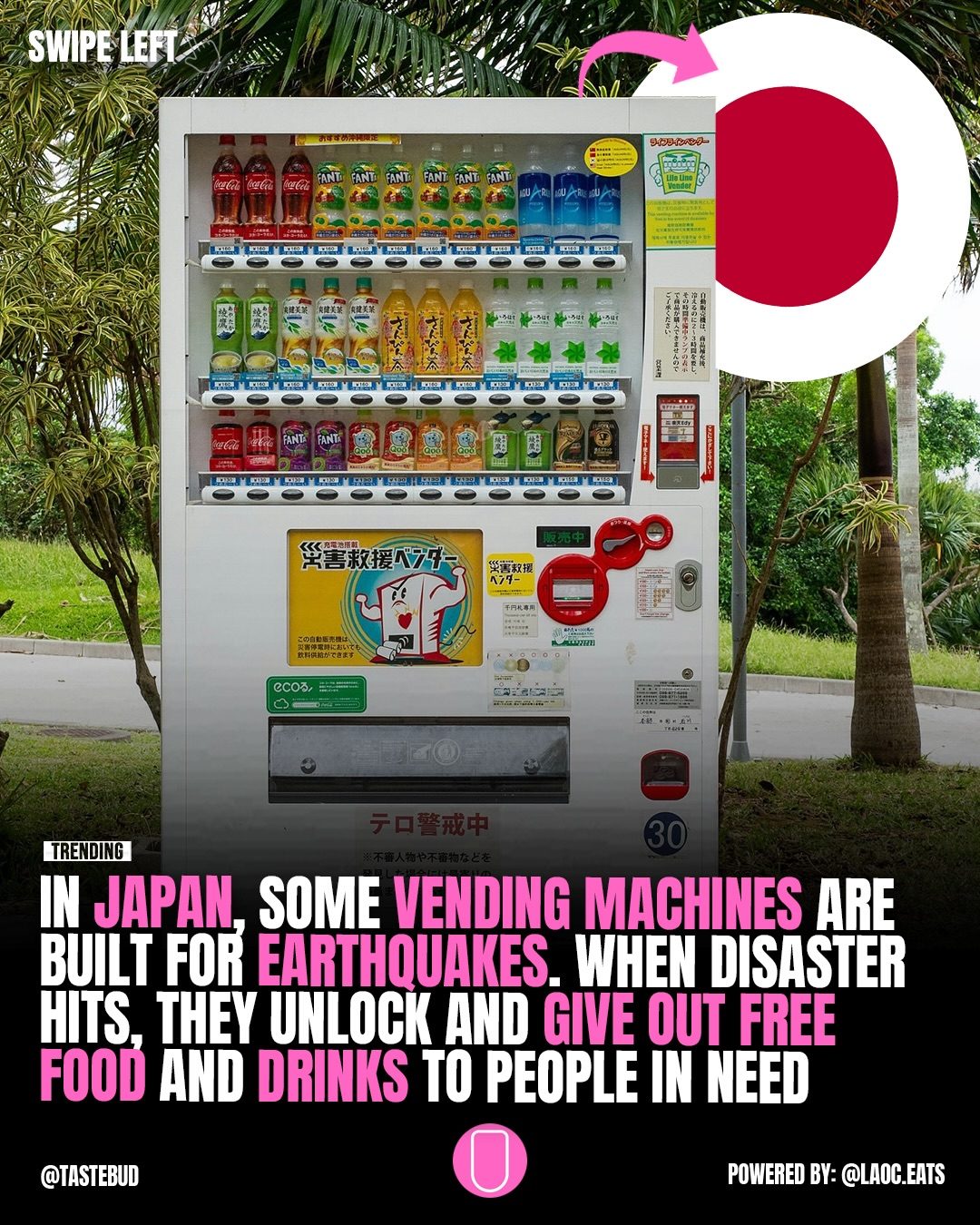
Japanese Vending Machines and Disaster Preparedness
Vending machines are a ubiquitous part of life in Japan, offering a wide range of beverages and snacks at the touch of a button. But in a country that faces frequent natural disasters, these machines serve an additional, lifesaving purpose. Some vending machines in Japan are specifically designed to switch into emergency mode during major earthquakes, providing free drinks to those in need.
Context / Why this matters
Japan is one of the most seismically active countries in the world, with earthquakes occurring regularly. This constant threat has led to a robust culture of disaster preparedness, where even the most mundane aspects of daily life, like vending machines, play a crucial role in emergency response. Understanding how these machines function in times of crisis offers insights into Japan's comprehensive approach to public safety and emergency management.
The Role of Vending Machines in Disaster Response
Built to Withstand Earthquakes
Japanese vending machines are engineered to withstand the tremors and aftershocks of earthquakes. This durability ensures that they remain functional and accessible even in the midst of a disaster. The machines are equipped with backup power, allowing them to continue operating during power outages, which are common after major earthquakes. This feature is particularly critical in urban areas where access to electricity might be disrupted for extended periods.
Emergency Mode Activation
During a major earthquake, these vending machines can be activated by authorities to switch into emergency mode. When this mode is activated, the machines unlock and dispense free drinks and food to people in the vicinity. This feature is designed to provide immediate relief to those affected by the disaster, offering them essential supplies without requiring any payment. This ensures that even during chaotic and dangerous situations, people have access to basic necessities.
Public Safety and Assistance
The emergency mode of these vending machines is part of Japan's broader approach to disaster preparedness. By integrating emergency features into everyday infrastructure, the country ensures that even during a crisis, the public has access to essential resources. This approach reflects a commitment to public safety that permeates all levels of society, from government policies to individual behaviors.
The Broader Context of Disaster Preparedness
Japan's vending machines designed for emergencies are just one example of how the country prepares for natural disasters. Other examples include:
Building Codes and Regulations
Japan has some of the strictest building codes in the world, designed to ensure that structures can withstand earthquakes. These codes mandate the use of specific construction materials and techniques that enhance the stability and durability of buildings. Regular inspections and updates to these codes ensure that even older structures meet modern safety standards.
Public Awareness and Education
Disaster preparedness in Japan is not limited to infrastructure. The country has a robust public education system that teaches citizens how to respond during emergencies. This includes regular drills in schools and workplaces, as well as public awareness campaigns that emphasize the importance of having an emergency kit and knowing evacuation routes.
Community Involvement
Community involvement is another key aspect of Japan's disaster preparedness. Local communities often form volunteer groups that help during disasters, providing support ranging from rescue operations to distributing supplies. These groups are trained and equipped to respond quickly and effectively, ensuring that help is available even in the most remote areas.
Practical Tips for Ensuring Disaster Preparedness
While Japan's approach to disaster preparedness is unique, there are several practical tips that can be applied universally:
Stock Up on Essentials
Having a well-stocked emergency kit is crucial. This kit should include essentials like water, non-perishable food, a first-aid kit, flashlights, and a portable radio. Ensure that you have enough supplies to last for at least 72 hours, as this is the typical duration for which emergency services may be disrupted.
Know Your Emergency Plan
Develop and practice an emergency plan with your family. This plan should include evacuation routes, meeting points, and communication strategies. Regular drills can help ensure that everyone knows what to do in case of an emergency, reducing panic and confusion.
Stay Informed
Staying informed about potential disasters is key to being prepared. Sign up for emergency alerts in your area and keep a portable radio or other communication devices on hand. Knowing what to expect and how to respond can make a significant difference in your safety.
Integrate Preparedness into Daily Life
Incorporating disaster preparedness into your daily routine can make a big difference. For example, always keep your car's gas tank at least half full, and store a small emergency kit in your vehicle. Small steps like these can add up to significant preparedness.
Important Takeaways
To recap, Japanese vending machines with emergency features are a testament to the country’s comprehensive approach to disaster readiness. These machines, along with other infrastructure, public education, and community initiatives, ensure that Japan is well-prepared to handle the aftermath of natural disasters. By integrating emergency features into everyday items and fostering a culture of preparedness, Japan sets a global standard for disaster management.
Conclusion
In Japan, vending machines are more than just convenient sources of refreshments; they are an integral part of the country's disaster preparedness infrastructure. By ensuring that these machines can function during emergencies, Japan demonstrates a commitment to public safety that goes beyond the ordinary. This unique feature of Japanese vending machines is a reflection of the country's broader approach to disaster management, where every aspect of daily life is considered in the context of potential emergencies. Understanding and appreciating this aspect of Japan's infrastructure offers valuable insights into effective disaster preparedness and the importance of integrating emergency features into everyday objects.
Watch the Reel
Questions readers ask
How do vending machines in Japan assist during earthquakes?
During major earthquakes, certain vending machines in Japan automatically switch to emergency mode. This feature allows them to dispense free drinks to people affected by the disaster, providing much-needed hydration and support.
What makes Japanese vending machines suitable for disaster relief?
Japanese vending machines are engineered to withstand the shaking and potential damage from earthquakes. Their sturdy design ensures they remain functional during disasters, allowing them to deliver essential supplies when they are most needed.
Are all vending machines in Japan equipped for disaster relief?
No, not all vending machines in Japan have disaster relief capabilities. The machines equipped with these features are strategically placed in areas with a high risk of natural disasters, ensuring that they are available where they are most needed.
How are vending machines activated for emergency use during disasters?
In disaster-prone areas, vending machines in Japan are designed to automatically activate emergency mode when they detect seismic activity. This seamless activation ensures that supplies are readily available without requiring manual intervention.
What kinds of supplies can be obtained from emergency vending machines in Japan?
While the primary supply is bottled water, some emergency vending machines in Japan also dispense other essential items such as food, batteries, and other non-perishable items. These supplies are crucial for sustaining individuals during and immediately after a disaster.
How does Japan's use of vending machines for disaster relief reflect its approach to emergency management?
Japan's integration of vending machines into its disaster response plan highlights the country's proactive approach to emergency management. By leveraging everyday technology for lifesaving purposes, Japan ensures that its citizens have access to vital supplies even in the midst of a crisis.
Related deep dives
Similar reads based on topic and creator.


Recent articles
Fresh deep dives from the latest Reels we unpacked.




Comments
Be the first to comment.