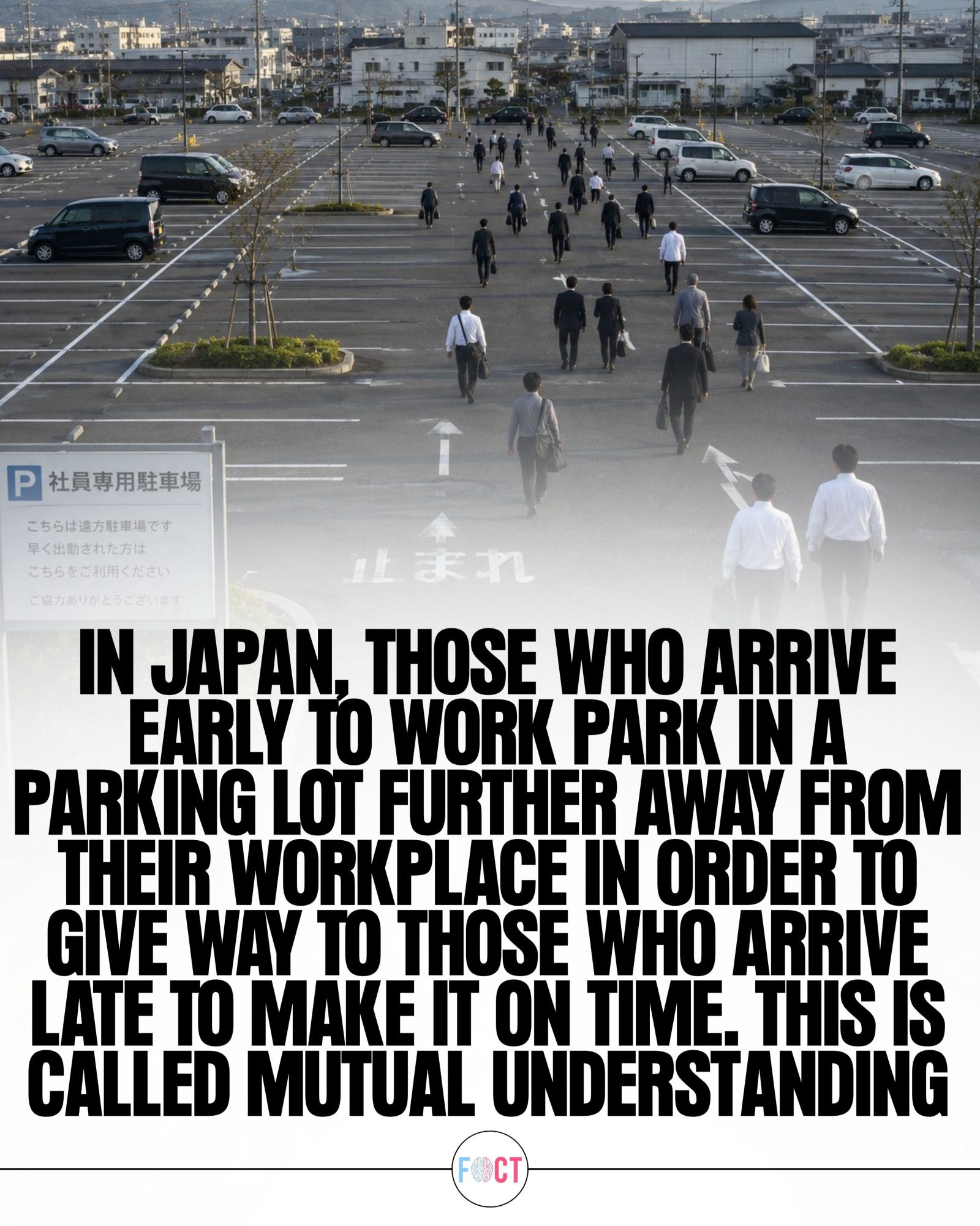
Japanese Parking Etiquette
Japanese workplace culture is renowned for its emphasis on mutual understanding, teamwork, and consideration for others. One unique and often discussed example of this cultural norm is the practice of parking etiquette seen in some Japanese workplaces. Employees who arrive early to work often choose to park farther from their building. The goal is to leave the closest spots available for their coworkers who may be running late. This practice, while not a formal rule in every workplace, is a notable example of the small, everyday gestures that foster cooperation and social harmony.
Context / Why this matters
Japan's workplace culture is deeply rooted in values of collective harmony and mutual respect. Understanding these cultural practices can provide valuable insights into the broader social dynamics at play. The parking etiquette observed in certain Japanese workplaces is a clear manifestation of these values. It illustrates the importance of small, considerate actions in maintaining a harmonious work environment. These gestures, though seemingly minor, have a profound impact on fostering a sense of community and mutual understanding among colleagues.
Main discussion
The Practice of Mutual Understanding
In many Japanese workplaces, the concept of mutual understanding, or "kyōdō kyōchiku," is deeply ingrained. This idea is reflected in the practice of parking etiquette, where employees who arrive early to work choose to park in the most distant spots. They do this to accommodate their colleagues who may be tardy and need to park closer to the workplace. This practice is not merely about managing parking spaces efficiently but is more about showing consideration and respect for others. It demonstrates a culture where individual actions are guided by the collective well-being of the team.
Japanese workplaces often prioritize the group over the individual, and this philosophy is evident in their daily practices. The parking etiquette is a poignant example of this collective mindset. It underscores the importance of mutual respect and consideration, where employees are aware of the needs of their colleagues and actively work to support them. The emphasis on mutual understanding can help create a more cohesive and supportive work environment.
The Role of Teamwork
Teamwork is a cornerstone of Japanese workplace culture. This concept goes beyond mere collaboration; it involves a deep sense of interdependence and mutual support. The parking etiquette exemplifies this team-oriented approach. By choosing to park farther away, employees are not only saving time for their colleagues but also ensuring that the workplace runs smoothly. This small act of consideration contributes to a more efficient and harmonious work environment, where everyone feels supported and valued.
The Importance of Small Gestures
Cultural practices in Japan often highlight the significance of small, everyday gestures. These gestures, while seemingly minor, have a profound impact on the overall social fabric. The parking etiquette is a prime example of how small actions can foster a sense of community and mutual respect. It demonstrates that even the smallest acts of kindness can have a ripple effect, creating a more positive and supportive work environment.
Practical tips
While the parking etiquette is specific to Japanese work culture, there are broader lessons that can be applied universally:
Foster a Culture of Consideration
Encourage a workplace culture where employees are considerate of one another's needs. This can be achieved through small, everyday gestures that demonstrate mutual respect and support. For example, offering to help a colleague with a task or providing support during challenging times can create a more harmonious work environment.
Promote Team-Oriented Practices
Promote practices that emphasize teamwork and mutual support. Encourage employees to work together towards common goals and to support each other in their endeavors. This can be achieved through collaborative projects, team-building activities, and fostering a sense of collective responsibility.
Encourage Small Acts of Kindness
Small acts of kindness, such as holding the door open for a colleague or offering to assist with a task, can have a significant impact on the workplace environment. Encourage employees to engage in these small acts of kindness, as they can create a more positive and supportive work culture.
Important takeaways
The Power of Small Gestures
Even the smallest acts of kindness and consideration can have a profound impact on the workplace environment. These gestures, when practiced consistently, can foster a sense of community and mutual respect among colleagues.
The Importance of Teamwork
Teamwork is not just about collaboration; it involves a deep sense of interdependence and mutual support. Encouraging a culture of mutual understanding and teamwork can create a more cohesive and supportive work environment.
The Value of Mutual Understanding
The concept of mutual understanding, or "kyōdō kyōchiku," is deeply ingrained in Japanese workplace culture. This idea emphasizes the importance of considering the needs and well-being of others. By fostering a culture of mutual understanding, workplaces can become more harmonious and supportive.
Conclusion
Japanese workplace culture offers valuable insights into the importance of mutual understanding, teamwork, and small acts of kindness. By understanding and practicing these principles, workplaces can foster a more supportive and harmonious environment. The parking etiquette in Japanese workplaces is a poignant example of how small, considerate actions can contribute to a more cohesive and positive work culture. By embracing these values, individuals can create a work environment where everyone feels valued and supported.
Watch the Reel
Questions readers ask
Why do some Japanese employees park farther from the building when they arrive early?
Employees in Japan may park farther from the workplace when they arrive early to reserve closer parking spots for colleagues who might be running late. This practice demonstrates a commitment to mutual respect and consideration for others, fostering social harmony and cooperation.
Is parking etiquette in Japan a formal workplace rule or a cultural norm?
Parking etiquette in Japan is more of a cultural norm than a formal rule. It is deeply rooted in the broader workplace culture and values of mutual respect, teamwork, and cooperation. However, it may not be strictly enforced or universally practiced in all workplaces.
What are the benefits of Japanese parking etiquette for workplace culture?
Japanese parking etiquette promotes a sense of mutual respect and teamwork, and helps to foster a harmonious and cooperative workplace environment. It encourages employees to consider the needs of their colleagues and to contribute to a positive atmosphere.
How does early arrival at work relate to parking etiquette in Japan?
Early arrival at work in Japan is often associated with parking etiquette, as employees who arrive early may choose to park farther away to reserve closer spots for their colleagues. This practice is just one example of how Japanese work culture values collective harmony and mutual respect.
Does parking etiquette in Japan vary between different workplaces and industries?
Yes, parking etiquette in Japan can vary between different workplaces and industries. While it is a notable practice in some workplaces, it may not be universally observed in all settings. The practice is often influenced by the specific workplace culture, values, and traditions.
Recent articles
Fresh deep dives from the latest Reels we unpacked.




Comments
Be the first to comment.