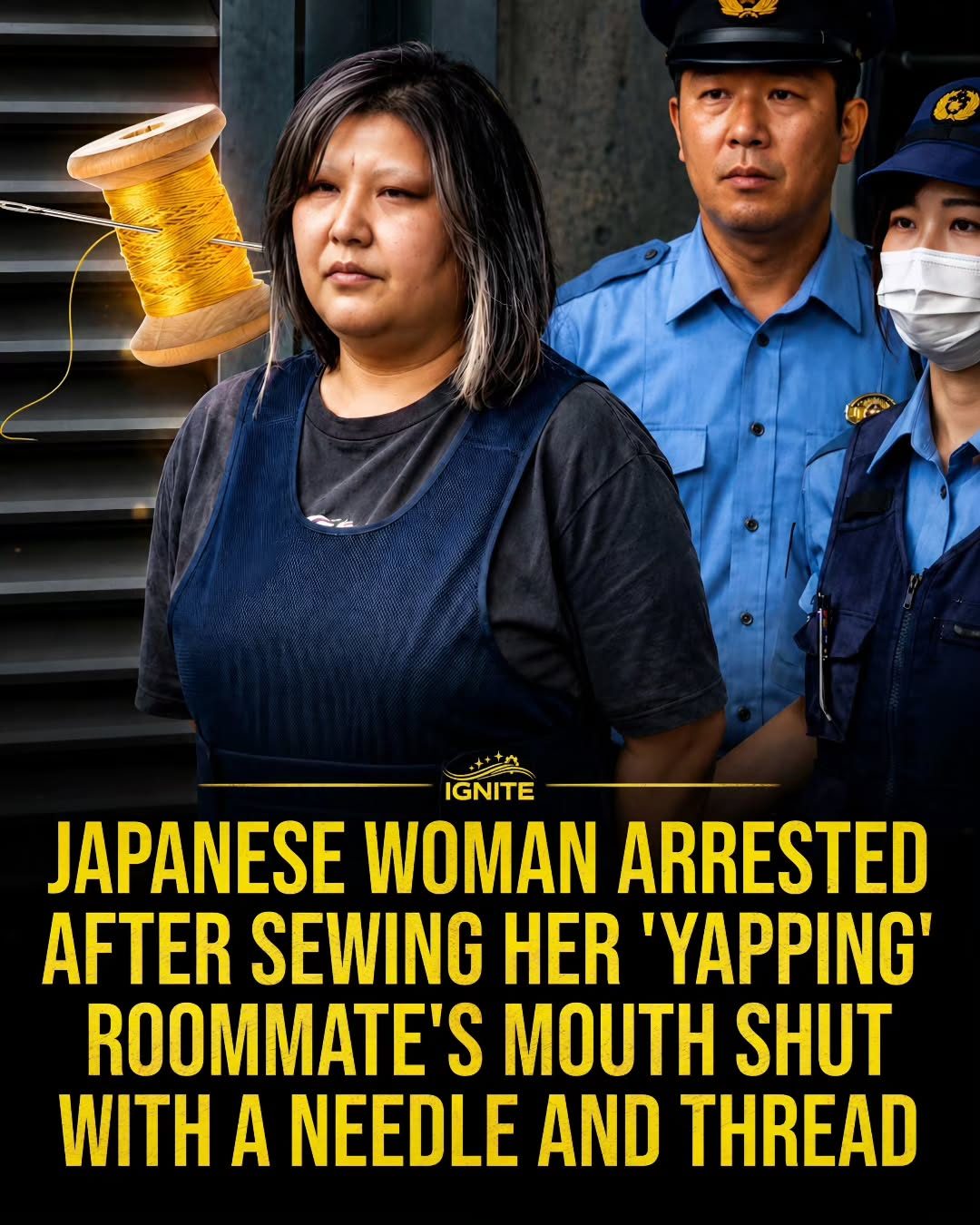
The Disturbing Case of a Japanese Woman Arrested for Sewing Her Roommate's Mouth Shut
In a shocking incident, a Japanese woman has been taken into custody for allegedly sewing her roommate's mouth shut with a needle and thread. This unthinkable act has left many questioning the circumstances that led to such an extreme measure, as well as the broader implications of this violent crime.
Why This Matters
This case is not just another headline; it raises critical questions about domestic violence, mental health, and the legal systems in place to protect individuals from harm. The fact that someone felt compelled to take such drastic and violent action against their roommate underscores deeper issues within our societies. Understanding more about this incident can help us better address and prevent similar acts of violence in the future.
The Incident in Detail
The Alleged Crime
According to reports, a woman in Japan was arrested after allegedly sewing her roommate's mouth shut. The act was described as an attempt to silence the roommate, referred to as a 'yapping' roommate. The severity of this crime cannot be overstated; the use of a needle and thread to physically restrain and silence another person is a deeply disturbing act of violence.
The Police Involvement
The image of the woman being escorted by police officers highlights the immediate and serious response to this crime. Japanese authorities are known for their swift action in cases of severe violence, and this incident is no exception. The police intervention underscores the gravity of the situation and the need for legal consequences for such acts.
Contextual Factors
Cultural and Social Context
Japan has a complex social landscape, with strict cultural norms and high expectations for social behavior. The use of violence to silence someone could be seen as an extreme deviation from these norms, but it also points to underlying tensions and frustrations within personal relationships. Understanding the cultural context can provide insights into the motivations behind such a violent act, though it does not justify the severity of the crime.
Domestic Violence and Mental Health
This case brings attention to the broader issue of domestic violence and mental health. The act of sewing someone's mouth shut is not just a physical assault; it is a deeply psychological attack aimed at controlling and silencing the victim. It raises questions about the mental health of the perpetrator and the effectiveness of support systems in place for those experiencing interpersonal violence.
Practical Tips for Prevention
Recognizing Signs of Domestic Violence
It is crucial to recognize the signs of domestic violence, which can range from verbal abuse to physical restraints. If you or someone you know is experiencing any form of violence, it is essential to seek help immediately. Many organizations and support systems are in place to assist victims of domestic violence.
Seeking Professional Help
If you are dealing with a volatile relationship or experiencing mental health issues, it is important to seek professional help. Therapy and counseling can provide the necessary support and guidance to prevent such extreme actions.
Building a Support Network
Creating a strong support network can help individuals cope with stress and frustration. This network can include friends, family, and support groups that offer emotional and psychological support in times of need.
Important Takeaways
- The severity of the crime highlights the need for swift and serious legal intervention.
- Understanding the cultural and social context can provide insights into the motivations behind such acts.
- Recognizing the signs of domestic violence and seeking professional help are crucial steps in prevention.
- Building a support network can help individuals cope with stress and frustration.
Conclusion
The arrest of a Japanese woman for allegedly sewing her roommate's mouth shut is a stark reminder of the extreme measures people may resort to in times of conflict. This incident underscores the importance of addressing domestic violence, mental health issues, and the need for effective support systems. By understanding the context and taking practical steps to prevent such acts, we can work towards a safer and more supportive society.
Watch the Reel
Questions readers ask
What led to the Japanese woman being arrested for sewing her roommate's mouth shut?
The specific details leading to the incident are not fully disclosed, but it is suspected that a severe interpersonal conflict between the roommates escalated to an extreme level, resulting in the assault. This underscores the potential for conflicts to take a violent turn when left unaddressed.
How has this case highlighted issues with mental health in Japan?
This incident has brought attention to the broader issues of mental health in Japan, suggesting that the perpetrator may have been experiencing significant psychological distress. It raises questions about the availability and effectiveness of mental health support systems in the country.
What preventive measures can be taken to avoid such extreme cases of domestic violence?
Preventive measures can include early intervention in interpersonal conflicts, promoting open communication, and providing accessible support systems for mental health. Encouraging bystanders to report signs of escalating conflict can also help prevent such violent incidents.
How has the Japanese legal system responded to this case?
The Japanese legal system has taken swift action by arresting the woman involved, demonstrating its commitment to addressing severe cases of domestic violence. This response serves as a deterrent and underscores the seriousness with which such crimes are treated.
What support systems are in place for victims of domestic violence in Japan?
Japan offers various support systems, including shelters, counseling services, and legal aid for victims of domestic violence. These resources are designed to provide immediate safety and long-term support, helping individuals recover and rebuild their lives.
What are some signs that a roommate conflict may be escalating to violence?
Signs of escalating conflict can include increased verbal arguments, threats, property damage, isolation from friends or family, and changes in behavior such as becoming more withdrawn or agitated. Recognizing these signs can help intervene before the situation turns violent.
How can roommates in Japan address conflicts before they escalate to violence?
Roommates can address conflicts through open and respectful communication, seeking mediation from a neutral third party, and being proactive in managing disagreements. It's important to create a safe and supportive living environment where all parties feel heard and respected.
Recent articles
Fresh deep dives from the latest Reels we unpacked.




Comments
Be the first to comment.