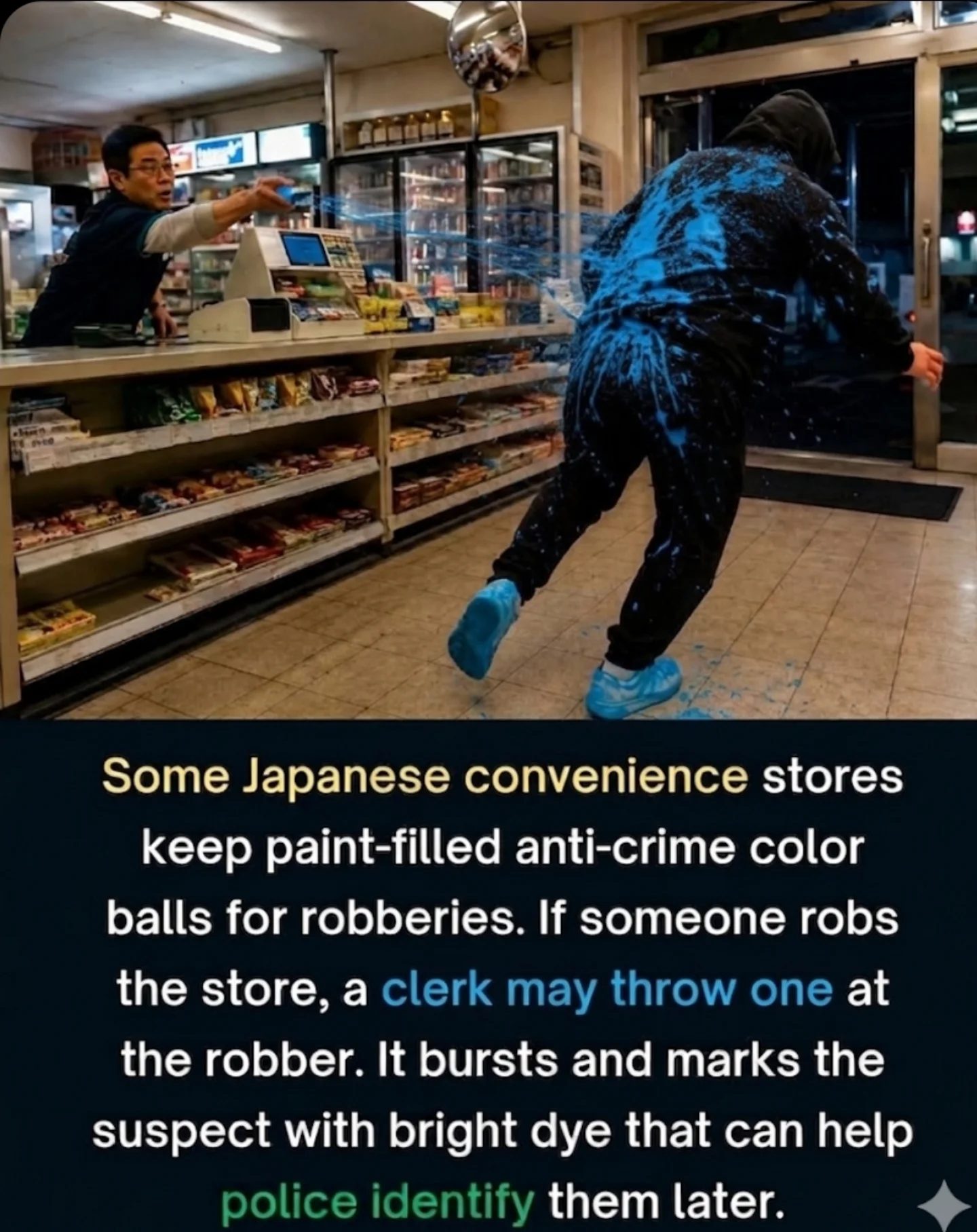
Japanese Convenience Store Security: The Use of Anti-Crime Color Balls
In Japan, many retail establishments, including convenience stores and banks, employ a unique, non-violent deterrent known as Bohan Yo Kara Boru (anti-crime color balls). These baseball-sized plastic spheres are designed to help prevent and solve crimes effectively. Let's delve into how these tools work and why they are an essential part of Japanese retail security.
Why This Matters
These anti-crime color balls serve a dual purpose: they act as a psychological deterrent and an aid to law enforcement. By being visibly placed behind the service counter, these balls signal to potential criminals that the store is prepared to take action in case of a robbery. If a crime does occur, the balls are used to mark suspects, making it easier for police to identify and apprehend them.
Understanding Anti-Crime Color Balls
Design and Functionality
Anti-crime color balls are a clever and effective design. They are baseball-sized, making them easy to throw and handle. Each ball is filled with a vibrant, fluorescent pigment, traditionally bright orange, which is exceptionally difficult to wash off. This ensures that the mark left on a suspect or their vehicle is long-lasting and easily noticeable.
Deployment and Effectiveness
When a crime occurs, employees are trained to throw these balls at the suspect or their getaway vehicle. The fragile shell of the ball shatters upon impact, releasing the pigment. This marking is not just a deterrent; it is also a practical aid for law enforcement. The bright, fluorescent color stands out, making it easier for police to identify suspects who might otherwise blend into a crowd.
Main Practices
Psychological Deterrent
One of the key aspects of these balls is their psychological impact. By being visibly placed behind the service counter, they serve as a clear warning to potential criminals. This visibility can discourage potential robbers, knowing that they will be marked and easily identified if they proceed with a crime.
Training and Preparedness
Employees in Japanese retail establishments, including convenience stores, are trained in the use of these anti-crime color balls. This training ensures that they can react quickly and effectively in case of a robbery. The preparedness of the staff is crucial in minimizing the risk of physical confrontation and maximizing the likelihood of a successful apprehension.
Practical Tips
For Retail Establishments
If you are a retail establishment considering implementing a similar system, here are some practical tips:
- Visibility: Ensure the balls are visibly placed in key locations where potential criminals can see them.
- Training: Provide thorough training to your staff on how to use the balls effectively in an emergency.
- Maintenance: Regularly check the condition of the balls to ensure they are in working order and replace them as needed.
For Law Enforcement
Law enforcement agencies can also benefit from understanding these tools:
- Awareness: Be aware of the use of these balls in retail establishments and train your officers on how to identify the pigment and its significance.
- Coordination: Coordinate with retail establishments to ensure that the use of these balls is part of a broader security plan.
Important Takeaways
The Psychological Impact
The primary strength of these anti-crime color balls lies in their psychological impact. By making potential criminals aware of the consequences of their actions, they serve as a powerful deterrent.
The Role of Training
The effectiveness of these balls is significantly enhanced by the training of retail employees. Proper training ensures that the balls are used correctly and swiftly, maximizing their impact.
Conclusion
Anti-crime color balls, known as Bohan Yo Kara Boru, are a brilliant innovation in Japanese retail security. They serve not only as a non-violent deterrent but also as a practical aid for law enforcement. By marking suspects with a vibrant, fluorescent pigment, they increase the likelihood of apprehension and minimize the risk of physical confrontation. This unique approach to security is a testament to the innovative and strategic thinking that goes into ensuring the safety of retail environments in Japan.
Watch the Reel
Questions readers ask
What are anti-crime color balls, and how do they work?
Anti-crime color balls, known as 'Bohan Yo Kara Boru' in Japanese, are plastic spheres filled with vibrant, long-lasting pigment. When a crime occurs, store employees throw these balls at the suspect or their vehicle, marking them for easy identification and aiding in law enforcement efforts.
Why are anti-crime color balls used in Japanese retail stores?
These balls serve two main purposes: deterrence and identification. Visibly placed behind service counters, they act as a psychological deterrent, signaling to potential criminals that the store has active crime prevention measures. If a crime occurs, the balls help identify and apprehend suspects by marking them with bright, long-lasting paint.
Are anti-crime color balls used in other countries?
While anti-crime color balls are commonly used in Japan, their use in other countries is less widespread. However, some countries have adopted similar non-violent crime prevention tools and strategies, and the concept has gained international attention for its simplicity and effectiveness.
What types of stores typically use anti-crime color balls in Japan?
Anti-crime color balls are commonly found in convenience stores, banks, and other retail establishments in Japan. These businesses often face higher risks of theft and robbery, making them prime candidates for implementing such a non-violent deterrent.
What happens if someone is hit with an anti-crime color ball?
If someone is hit with an anti-crime color ball, they will be marked by a vibrant, long-lasting pigment. This marking aids in identifying and apprehending suspects, as the paint is difficult to remove and leaves a clear trail, making it easier for law enforcement to track them down.
How effective are anti-crime color balls in preventing crime?
Anti-crime color balls have proven to be an effective tool in preventing and solving crimes in Japan. Their visible presence behind store counters acts as a strong psychological deterrent, discouraging potential criminals from targeting these establishments. Additionally, when used during a crime, they greatly assist in identifying and apprehending suspects.
Can customers or bystanders be harmed by anti-crime color balls?
Anti-crime color balls are designed to be non-violent and non-toxic, posing minimal risk to customers or bystanders. They are specifically designed to mark suspects rather than cause physical harm, ensuring the safety of those in the vicinity when they are deployed.
Recent articles
Fresh deep dives from the latest Reels we unpacked.




Comments
Be the first to comment.