Plant-Based Plastic: A Breakthrough in Marine Pollution
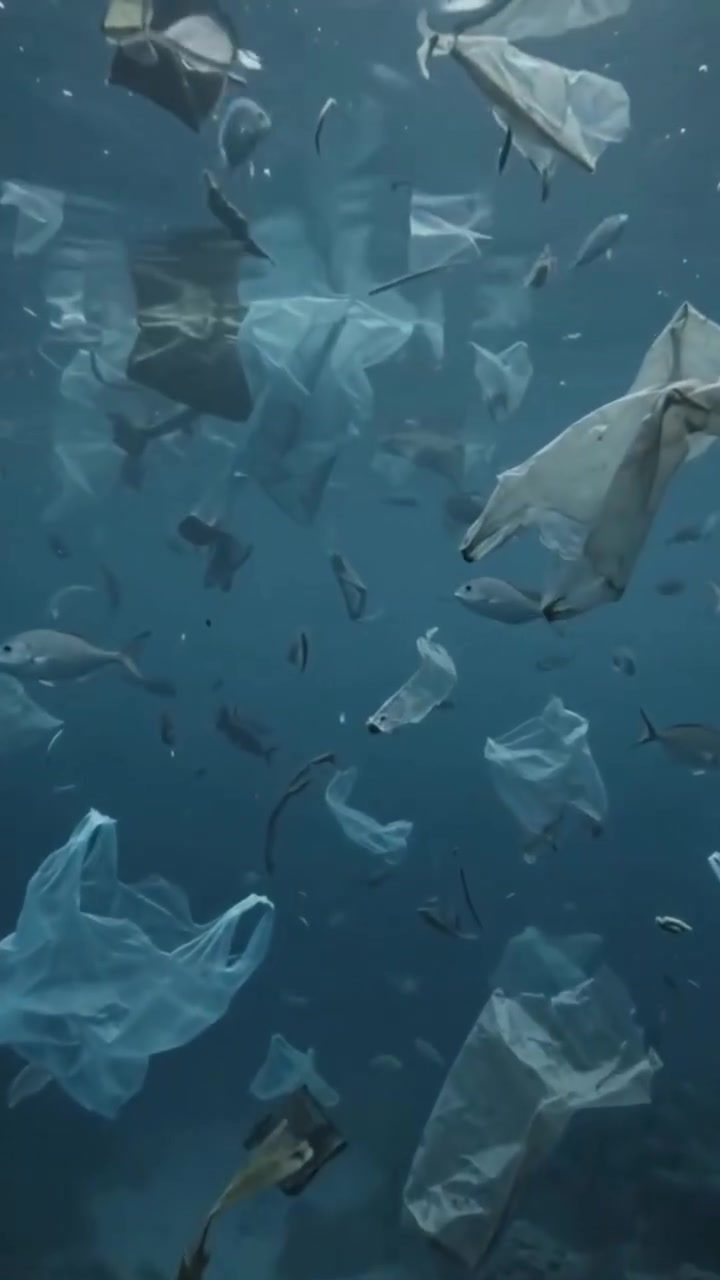
When ocean plastic waste is broken down, it leaves behind microplastics that never fully disappear. This accumulation of microplastics poses a significant threat to marine ecosystems, with fish and other marine animals directly affected by the pollution. Plastic pollution is a global issue, and finding a sustainable solution is crucial for preserving marine life and protecting the environment.
Why This Matters
The development of a plant-based plastic by researchers at RIKEN and the University of Tokyo, led by chemist Takuzo Aida, represents a major breakthrough in addressing this issue. This innovative material offers a promising solution to one of the most pressing environmental challenges of our time.
Main Discussion
The Problem of Microplastics
Microplastics are tiny plastic particles that result from the degradation of larger plastic items. These particles are virtually indestructible and accumulate in the ocean, posing a severe threat to marine life. Fish and other marine animals often ingest these particles, which can cause injury, malnutrition, and death. The long-term effects of microplastic pollution on marine ecosystems are still not fully understood, but it is clear that the problem is widespread and growing.
The Innovation: Plant-Based Plastic
Researchers at RIKEN and the University of Tokyo have developed a plant-based plastic that is as strong as conventional plastic during use but has a unique and environmentally beneficial property: it fully dissolves in seawater within 2-3 hours. This dissolution process breaks down the plastic into its original harmless components, leaving behind no microplastics.
The plant-based plastic can be made waterproof with a special coating, making it versatile for various applications. Additionally, over 90% of its primary component can be recovered and recycled after dissolution, further enhancing its sustainability.
Practical Tips
Understanding the Benefits
The benefits of this plant-based plastic extend beyond its environmental advantages. It can be used in various applications, including packaging and disposable items, without contributing to the microplastic problem. This makes it an attractive option for industries looking to reduce their environmental impact.
Applications and Use Cases
The new plant-based plastic is particularly well-suited for applications where waste ends up in the ocean, such as fishing gear, packaging materials, and other marine-related products. Its ability to dissolve completely in seawater provides a significant advantage over traditional plastics, which can take centuries to degrade and leave behind harmful microplastics.
Important Takeaways
One of the most significant takeaways from this innovation is the potential for a sustainable future. The plant-based plastic offers a practical solution to the problem of marine plastic pollution, demonstrating the power of scientific research in addressing environmental challenges.
Moreover, this development highlights the importance of investing in research and development for sustainable materials. The collaboration between RIKEN and the University of Tokyo underscores the value of interdisciplinary research in finding innovative solutions to global problems.
Conclusion
The development of a plant-based plastic that dissolves in seawater is a game-changer in the fight against marine pollution. This innovative material offers a sustainable alternative to traditional plastics, helping to reduce the impact of microplastics on marine ecosystems. As the packaging industry shows significant interest in this new material, the future looks promising for more sustainable and eco-friendly solutions.
Watch the Reel
Questions readers ask
What makes the plant-based plastic developed by Japanese scientists unique?
The plant-based plastic developed by Japanese scientists is unique because it is designed to dissolve in seawater, unlike traditional plastics that persist in the ocean and contribute to pollution.
How does this plant-based plastic help in reducing ocean pollution?
This plant-based plastic helps in reducing ocean pollution by breaking down completely in seawater, preventing the accumulation of microplastics that harm marine life and ecosystems.
What are the practical applications of this dissolvable plastic?
The dissolvable plastic has wide-ranging applications, from food packaging to everyday products, making it a versatile solution for reducing plastic waste in various industries.
How does this innovation contribute to Japanese waste reduction efforts?
This innovation is a significant step in Japan's waste reduction efforts by providing an eco-friendly alternative to traditional plastics, which can help minimize plastic waste in the environment.
How does this innovation impact sustainable product development?
This innovation impacts sustainable product development by offering a new material that aligns with eco-friendly principles, encouraging more companies to adopt environmentally friendly packaging solutions.
Related deep dives
Similar reads based on topic and creator.




Recent articles
Fresh deep dives from the latest Reels we unpacked.




Comments
Be the first to comment.