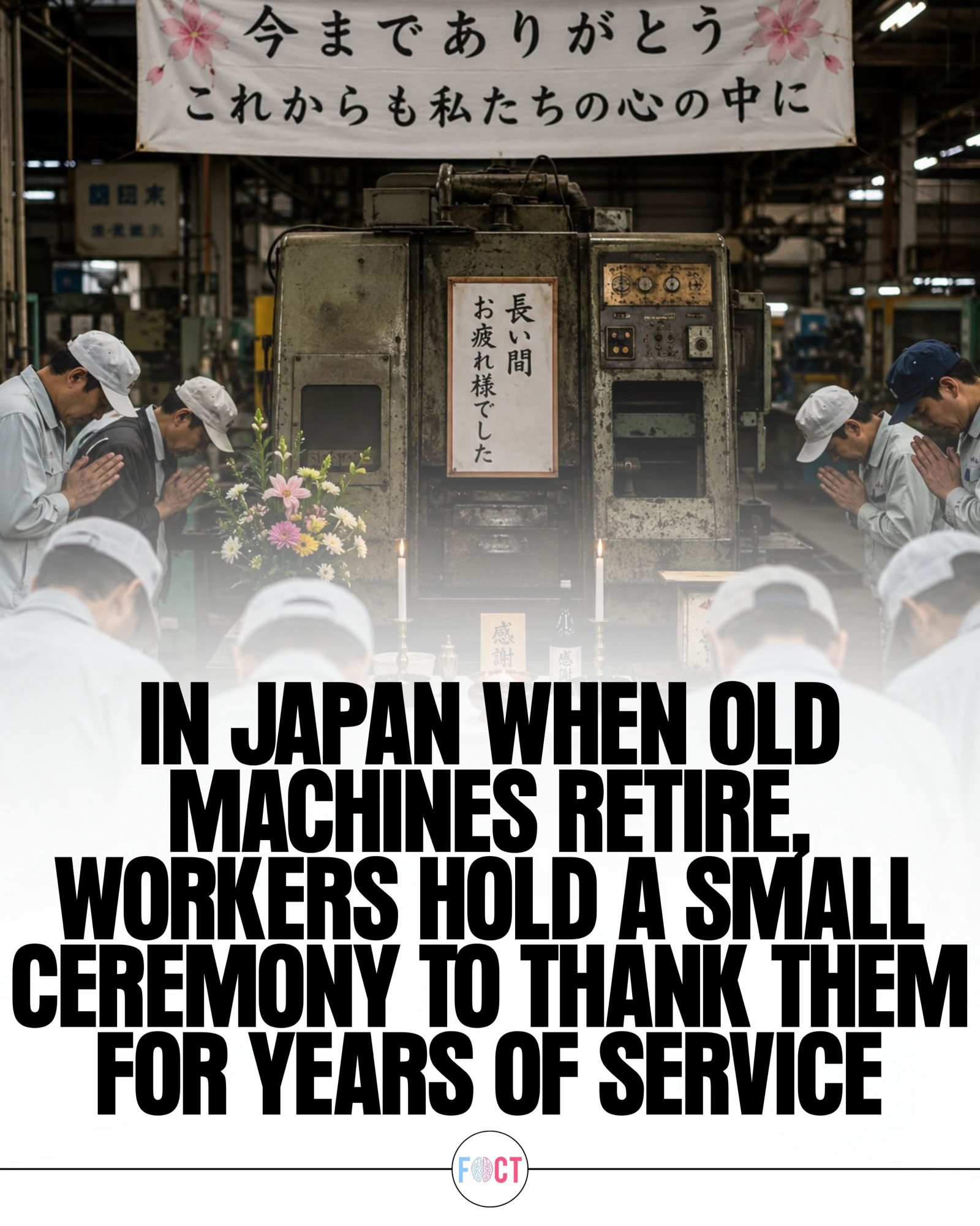
Retirement Ceremony for Machines
When old machines retire in Japanese workplaces, particularly in traditional manufacturing and craftsmanship sectors, workers perform a unique and respectful ritual. This ceremony, known as Kanshasai, is a small thanksgiving event, or part of the broader cultural tradition of Kuyo, where inanimate objects are honoured with memorial services. This practice is deeply rooted in Japan's indigenous Shinto belief system, which recognizes that all things, including man-made objects, tools, and infrastructure, possess a spirit or energy known as kami.
Why This Matters
The retirement ceremony for machines in Japan is more than just a sentimental gesture. It reflects a cultural philosophy that blends engineering with mindfulness, viewing technology not as disposable but as a faithful partner that has sustained livelihoods and protected workers for decades. This perspective offers a fresh way to think about the lifecycle of machinery and the relationships between humans and the tools they create. By understanding this practice, we gain insight into a different way of valuing and respecting the objects that play crucial roles in our daily lives and industries.
Main Discussion
The Spiritual Underpinnings
In Shintoism, the indigenous religion of Japan, everything in the natural world is imbued with a spirit or energy known as kami. This includes man-made objects, tools, and even infrastructure. The Kanshasai ceremony is rooted in this belief, recognizing the retiring machine as a kami that has played an essential role in the lives of the workers. By performing rituals like bowing, clapping, offering words of gratitude, and placing flowers on the equipment, workers express their respect and gratitude for the machine's service.
This practice isn't purely spiritual; it also has practical implications. By honouring the retiring machine, workers acknowledge the machine's role in their lives and the contributions it has made to their livelihood. This recognition fosters a deeper sense of connection and responsibility, encouraging workers to treat their tools and equipment with care and respect.
The Ceremonial Process
When a machine reaches the end of its operational lifecycle, workers gather around it to perform the Kanshasai ceremony. Several key elements are typically included in the ritual:
- Bowing: Workers bow before the machine, showing respect and gratitude.
- Clapping: Clapping is a way to symbolically acknowledge the machine's service and the importance of its role.
- Words of Gratitude: Workers often offer words of thanks, expressing their appreciation for the machine's years of service.
- Flowers: Flowers are placed on or near the machine as a token of respect, symbolizing the beauty and significance of the machine's contribution.
The ceremony is a moment of reflection, allowing workers to pause and acknowledge the machine's importance in their daily lives. It's a time to honour the machine's contributions and to express gratitude for its service.
Cultural Significance
The Kanshasai ceremony is more than just a gesture; it's a cultural tradition that reflects a deep respect for the tools and equipment that support modern life. By recognizing the retiring machine, workers acknowledge the importance of their tools and the role they play in their work and lives.
This practice offers a unique perspective on the relationship between humans and technology. Rather than viewing machinery as merely functional objects, the Kanshasai ceremony encourages us to see them as partners that contribute to our livelihoods and protect us in our daily lives. This mindset can foster a deeper appreciation for the tools and equipment we use, encouraging a more mindful and respectful approach to their use and disposal.
The Role of Shintoism
The Kanshasai ceremony for retiring machines is deeply rooted in the Shinto belief system, which teaches that all things possess a spirit or energy known as kami. This belief extends to man-made objects, tools, and infrastructure, viewing them as sacred and worthy of respect.
Japanese corporate culture blends engineering with mindfulness, recognizing the retiring machine as a faithful partner that sustained their livelihood and protected the workers for decades. By performing the Kanshasai ceremony, workers express their gratitude and respect for the machine's service, fostering a deeper sense of connection and responsibility.
Practical Tips
While the Kanshasai ceremony may not be directly applicable to all workplaces, there are practical tips that can be drawn from this Japanese tradition:
- Acknowledge the Lifecycle: Recognize the lifecycle of your tools and equipment, acknowledging their contributions and the role they play in your work.
- Express Gratitude: Take a moment to express gratitude for the tools and equipment that support your work, fostering a deeper sense of connection and appreciation.
- Encourage Mindfulness: Encourage a mindful approach to the use and disposal of tools and equipment, treating them with care and respect.
Important Takeaways
- The Kanshasai ceremony is a unique Japanese tradition that honours retiring machines, recognizing their contributions and expressing gratitude for their service.
- This practice is deeply rooted in the Shinto belief system, which views all things, including man-made objects, as possessing a spirit or energy known as kami.
- By performing the Kanshasai ceremony, workers foster a deeper sense of connection and responsibility, treating their tools and equipment with care and respect.
- The Kanshasai ceremony offers a fresh perspective on the relationship between humans and technology, encouraging mindful and respectful use of tools and equipment.
Conclusion
The retirement ceremony for machines in Japan, known as Kanshasai, is a unique and deeply meaningful tradition. It offers a fresh perspective on the relationship between humans and technology, encouraging us to see our tools and equipment as faithful partners that contribute to our livelihoods. By expressing gratitude and respect for retiring machines, the Kanshasai ceremony fosters a deeper sense of connection and responsibility, promoting a more mindful and respectful approach to the use and disposal of tools and equipment.
Watch the Reel
Questions readers ask
What is the Kanshasai ritual in Japanese manufacturing?
The Kanshasai ritual is a retirement ceremony for old machines in Japanese manufacturing. It is a small thanksgiving event, or part of the broader cultural tradition of Kuyo, where inanimate objects are honored with memorial services. This practice is rooted in the Shinto belief system, which recognizes that all things, including man-made objects, possess a spirit or energy known as kami.
Why do Japanese factories honor retiring machinery?
Japanese factories honor retiring machinery as a reflection of a cultural philosophy that views technology as a reliable partner. This mindset values the lifecycle of machinery and the relationships between humans and their tools, treating machines with respect and gratitude for their service.
How does the Kanshasai ritual reflect Japanese factory culture?
The Kanshasai ritual reflects Japanese factory culture by embodying a blend of engineering and mindfulness. It showcases a unique perspective on the lifecycle of machinery, demonstrating the importance of gratitude and respect for technology in Japanese work culture.
What is the significance of the Kanshasai ceremony in the lifecycle of machinery?
The Kanshasai ceremony signifies the end of a machine's productive life in a respectful manner. It acknowledges the machine's contributions to the factory's operations and its role in the broader industrial process, providing a meaningful culmination to its functional lifecycle.
How does the Kanshasai ritual differ from Western retirement practices for machinery?
While Western practices may focus on the practical disposal or replacement of old machinery, the Kanshasai ritual in Japan emphasizes respect and gratitude. This ceremony is a testament to the Japanese cultural tradition of honoring not just the functional aspects of machinery, but also the spirit or energy it possesses.
What role does Shintoism play in the Kanshasai ritual?
Shintoism plays a significant role in the Kanshasai ritual, as it is deeply rooted in the belief system that all things, including man-made objects, possess a spirit or energy known as kami. This belief underpins the respect and gratitude shown to retiring machines during the ceremony.
Recent articles
Fresh deep dives from the latest Reels we unpacked.




Comments
Be the first to comment.