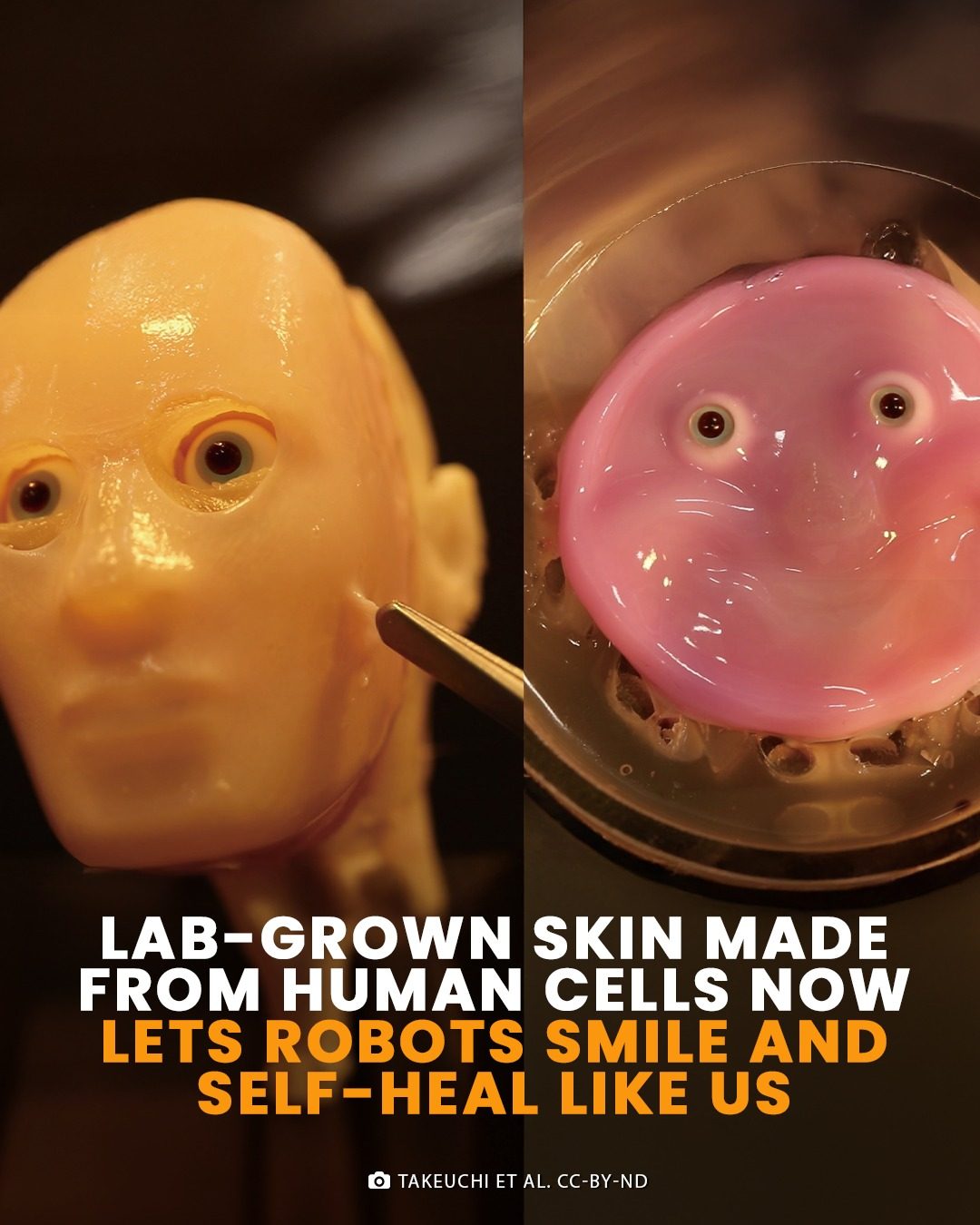
Lab-Grown Skin: Advancements in Human Cell Technology
Lab-grown skin is a groundbreaking development in the field of bioengineering, offering applications ranging from robotics to reconstructive surgery and cosmetic research. This innovative technology enables the creation of skin from human cells, bringing a range of possibilities and benefits to various industries.
Context / Why This Matters
The development of lab-grown skin is crucial in both medical and technological arenas. This skin can stretch, self-heal, and even mimic human expressions like smiling when applied to robots, revolutionizing the way we think about robotic capabilities. The use of human cells in creating this skin opens up new possibilities for reconstructive surgery and cosmetic research, providing solutions for skin conditions, burns, and other skin-related issues. Additionally, the ability to engineer skin that can heal itself and mimic human expressions brings us one step closer to creating more lifelike robots, which have practical and theoretical implications.
Main Discussion
The Science Behind Lab-Grown Skin
Lab-grown skin is created from human cells, which are cultivated in a controlled environment to grow and form a new layer of skin. This process involves several steps, including the extraction of human cells, their cultivation in a nutrient-rich medium, and the formation of a three-dimensional structure that mimics natural human skin. This skin possesses the ability to stretch and self-heal, making it highly versatile for various applications.
Applications in Robotics
One of the most fascinating applications of lab-grown skin is in the field of robotics. By applying this skin to robots, we can mimic human expressions like smiling, adding a layer of realism to robotic interactions. Robots equipped with this skin can appear more lifelike, enhancing their ability to interact with humans in a more natural and relatable way. This technology also has implications for the development of more advanced prosthetics and artificial limbs, which can better replicate the appearance and functionality of natural skin.
Medical and Cosmetic Research
Lab-grown skin holds substantial promise for reconstructive surgery. Patients with severe burns, skin conditions, or other skin-related issues can benefit from this technology, which can provide new, healthy skin that can heal and mimic natural skin. Additionally, this technology has applications in cosmetic research, where it can be used to test new skincare products and treatments without the need for animal or human testing.
Ethical Considerations
While the benefits of lab-grown skin are clear, there are also ethical considerations to take into account. The use of human cells in this technology raises questions about consent, privacy, and the potential misuse of this technology. It is crucial to address these concerns and establish guidelines to ensure that the technology is used ethically and responsibly.
Practical Tips
For those interested in exploring the possibilities of lab-grown skin, there are a few practical tips to keep in mind. First, it is essential to stay informed about the latest developments in the field, as this technology is rapidly evolving. Researching the latest scientific publications, attending conferences, and networking with experts in the field can provide valuable insights and opportunities.
Second, consider the ethical implications of using lab-grown skin. Ensure that the technology is used responsibly and ethically, and be mindful of the potential risks and benefits associated with its use.
Finally, explore the potential applications of lab-grown skin in your field of interest. Whether it's robotics, medicine, or cosmetic research, there are countless opportunities to leverage this technology and make a meaningful impact.
Important Takeaways
Lab-grown skin represents a significant advancement in bioengineering, with applications ranging from robotics to reconstructive surgery and cosmetic research. This technology offers a range of benefits, including the ability to stretch, self-heal, and mimic human expressions. However, it also raises ethical considerations that must be addressed to ensure the responsible use of this technology.
As we continue to explore the possibilities of lab-grown skin, it is essential to stay informed about the latest developments, consider the ethical implications, and explore the potential applications in various industries.
Conclusion
Lab-grown skin is a remarkable innovation with the potential to revolutionize various fields. From enhancing robotic interactions to providing new solutions for skin conditions and cosmetic research, this technology offers a range of possibilities. As we continue to advance in this area, it is crucial to address the ethical considerations and ensure that this technology is used responsibly and effectively. With careful consideration and responsible use, lab-grown skin has the potential to make a significant impact on our world, bringing us one step closer to a future where technology and biology converge.
Watch the Reel
Questions readers ask
What are the key benefits of using lab-grown skin for robots?
Lab-grown skin for robots offers several advantages, including stretchability, self-healing properties, and the ability to mimic human expressions. These features enhance robotic interactions, making them more lifelike and capable of handling a variety of tasks. Additionally, it provides a durable and adaptive solution for robotic skin, improving the longevity and functionality of robotic applications.
How does lab-grown skin mimic human expressions on robots?
Lab-grown skin can mimic human expressions by utilizing advanced bioengineering techniques. Through careful cultivation, the skin can respond to robotic mechanisms, allowing for movements that mimic human facial expressions such as smiling or frowning, enhancing human-robot interactions.
What are some applications of lab-grown skin in robotics?
Lab-grown skin for robots has numerous applications, including advanced robotics skin, robotic skin technology, and self-healing robot skin. It enhances robotic skin research and applications, enabling robots to have more human-like interactions, improved durability, and better functionality in various fields.
What role do human skin cells play in creating lab-grown skin for robots?
Human skin cells are essential in creating lab-grown skin for robots. They are cultivated in a controlled environment to develop a skin-like material that can stretch, self-heal, and mimic human expressions. This use of human cells ensures that the skin is both functional and lifelike, making it ideal for robotic applications.
How does self-healing robot skin work?
Self-healing robot skin works by incorporating properties that allow the material to repair itself when damaged. This is achieved through bioengineering techniques that enable the skin to regenerate and maintain its integrity, making it highly durable and reducing the need for frequent repairs.
What advancements has Japan made in robotics research with lab-grown skin?
Japan is at the forefront of robotics research with lab-grown skin. Japanese robotics research focuses on developing advanced robotics skin that can stretch, self-heal, and mimic human expressions. This technology not only enhances the capabilities of robots but also opens up new possibilities in various industries, including surgery and cosmetic research.
How does lab-grown skin improve robotic interactions?
Lab-grown skin improves robotic interactions by making robots more lifelike and responsive. The ability of the skin to mimic human expressions and self-heal enhances the robot's ability to interact with humans in a more natural and intuitive way, making the interactions more seamless and enjoyable.
Related deep dives
Similar reads based on topic and creator.



Recent articles
Fresh deep dives from the latest Reels we unpacked.




Comments
Be the first to comment.