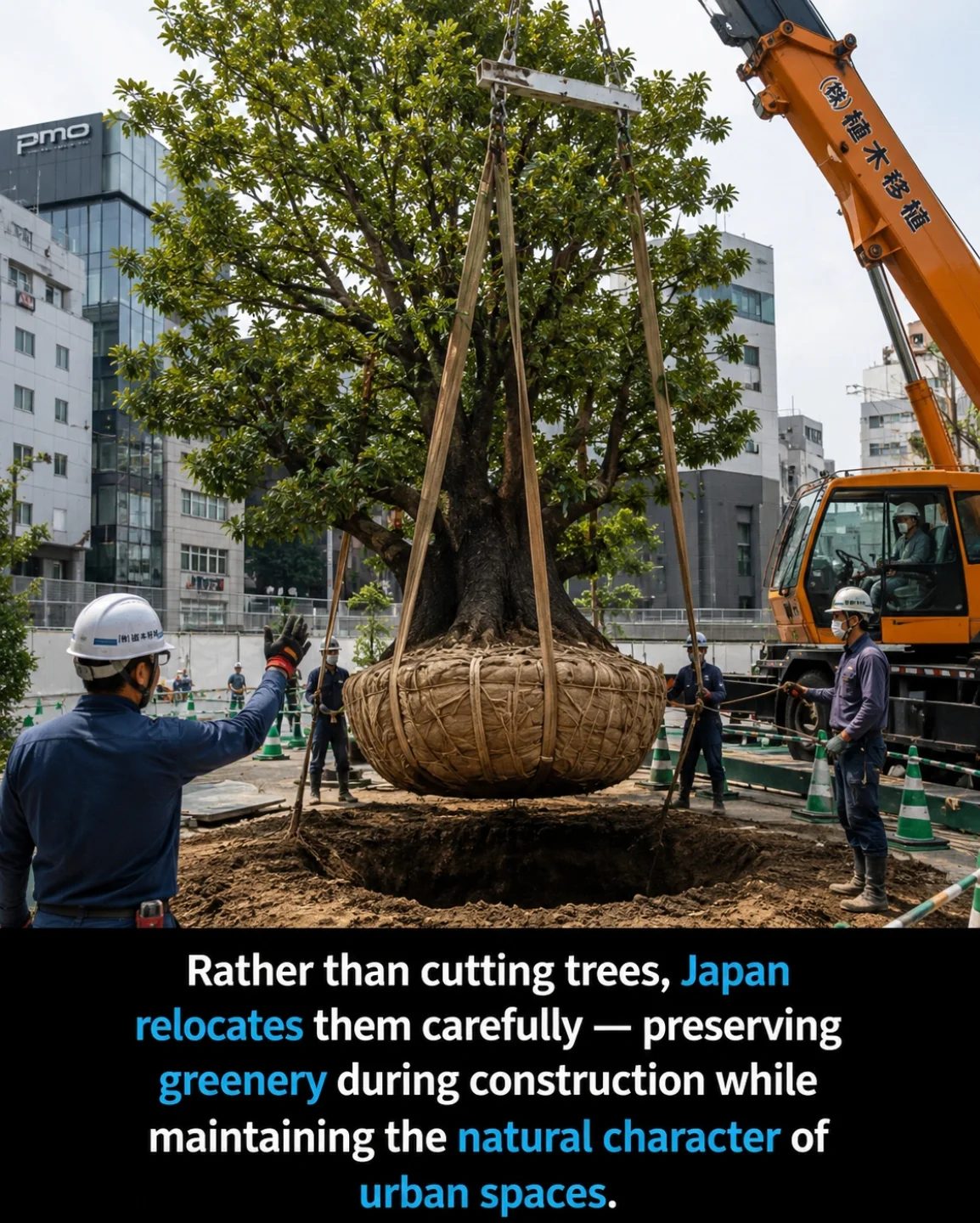
Tree Relocation in Urban Japan
Tree relocation is a critical aspect of urban development, particularly in countries like Japan where preserving the natural character of urban spaces is a priority. This process involves carefully moving trees from one location to another, ensuring that their roots and overall health are maintained. In Japan, this method is preferred over cutting down trees to maintain greenery during construction.
Context / Why this matters
In densely populated urban areas, construction and development are inevitable. However, the environmental impact of these activities can significantly affect the local ecosystem. By relocating trees, cities can preserve natural spaces and maintain their character. Moreover, trees provide numerous benefits, such as air purification, noise reduction, and creating a cooling effect in urban settings. Thus, relocating trees becomes an essential practice in sustainable urban development.
Main Discussion
The Tree Relocation Process
The tree relocation process is intricate and requires careful planning and execution. It begins with assessing the tree's health and the suitability of its new location. Once the new site is chosen, the tree is carefully uprooted with a large ball of soil, ensuring that its roots are preserved. This soil ball helps to maintain the tree's root structure and nutrient supply, promoting its survival in the new location. Cranes are often used in this process to safely transport the tree to its new site.
The relocation process is not just about moving the tree but also about ensuring its continued health and growth. Workers carefully monitor the tree post-relocation, providing necessary care and support until it stabilizes in its new environment. This includes watering, pruning, and sometimes applying fertilizers to aid in faster adaptation.
The Importance of Urban Greenery
Urban greenery plays a significant role in enhancing the quality of life in cities. Trees and other plants contribute to cleaner air, reduced noise pollution, and a more aesthetically pleasing environment. The psychological benefits of being around nature cannot be overstated. Green spaces provide areas for recreation, exercise, and relaxation, which are essential for mental well-being.
Japan's Environmental Conservation Efforts
Japan is known for its proactive approach to environmental conservation. The country has stringent policies and practices aimed at preserving its natural heritage. Tree relocation is a key part of this effort. By relocating trees rather than cutting them down, Japan ensures that its urban areas remain green and vibrant. This practice is not just a matter of aesthetics but also a reflection of the country's commitment to sustainability and environmental stewardship.
Cranes in Tree Relocation
Cranes play a pivotal role in the tree relocation process. These powerful machines are equipped with specialized attachments that allow them to lift and transport large trees without damaging their roots or branches. The use of cranes ensures that the relocation process is efficient and safe, minimizing the risk of harm to the tree.
Practical Tips for Tree Relocation
Choose the Right Time
The best time to relocate a tree is during its dormant season, usually in late fall or early spring. During this period, trees are less active, and their root systems are more resilient to stress. This timing helps ensure that the tree has a higher chance of survival and faster adaptation to its new location.
Soil Preparation
Preparing the soil at the new location is crucial for the tree's successful relocation. The soil should be well-draining and rich in organic matter. Adding compost or other organic materials can improve the soil quality, providing the tree with the necessary nutrients for growth.
Watering and Care
After relocation, consistent watering is essential to help the tree adapt to its new environment. Trees may need more frequent watering until they become established in their new location. Additionally, pruning damaged or dead branches can help the tree focus its energy on new growth and stabilization.
Monitoring
Regular monitoring of the tree post-relocation is essential. Keep an eye on the tree for signs of stress, such as wilting leaves or discolored foliage. Addressing these issues promptly can help ensure the tree's health and vitality.
Important Takeaways
- Tree relocation is a sustainable practice that helps preserve urban greenery and maintain the natural character of cities.
- Cranes are essential tools in the tree relocation process, ensuring that trees are moved safely and efficiently.
- Proper soil preparation, watering, and monitoring are key to the successful relocation of trees.
- Relocating trees during their dormant season increases their chances of survival and faster adaptation.
- Japan's environmental conservation efforts, including tree relocation, serve as a model for sustainable urban development.
Conclusion
Tree relocation is a critical and effective method of preserving the natural beauty of urban spaces. Japan's commitment to this practice demonstrates the importance of environmental stewardship in urban development. By relocating trees, cities can maintain their natural character while ensuring that development projects are sustainable and environmentally friendly. This practice not only benefits the environment but also enhances the quality of life for urban residents, making it a vital component of modern urban planning.
Watch the Reel
Questions readers ask
What are the primary benefits of Japan's urban tree relocation practices?
Japan's urban tree relocation practices help maintain the natural character of urban spaces, preserve local ecosystems, and preserve greenery during construction. Trees continue to provide benefits such as air purification, noise reduction, and cooling effects in urban areas.
How does Japan approach tree relocation during urban construction?
Japan prioritizes tree relocation over felling by carefully moving trees from their original locations to new sites. They ensure the roots and overall health of the trees are maintained during the process, often using specialized techniques and equipment like tree moving cranes.
What techniques are used to protect tree roots during relocation?
During tree relocation, techniques such as root pruning and soil preservation are employed to minimize damage. Specialized machinery like tree moving cranes is used to carefully lift and transport trees, ensuring the root ball remains intact and healthy.
Why is tree relocation preferred over felling in Japan?
Tree relocation is preferred over felling in Japan to preserve the natural environment and maintain healthy ecosystems. This approach ensures that the benefits provided by trees, such as oxygen supply and noise reduction, are not lost during urban development.
What role do trees play in urban areas, and how does relocation help?
Trees in urban areas supply oxygen, reduce noise, and cool the environment. Relocation ensures that these benefits are not lost during construction, helping to maintain a healthy and pleasant urban environment. Cities can continue to enjoy the natural beauty and ecological advantages of trees in new locations.
What equipment is typically used in large tree relocation projects in Japan?
Large tree relocation projects in Japan often utilize specialized equipment like tree moving cranes. These cranes are designed to carefully lift and transport large trees, ensuring minimal damage to the root system and overall health of the tree during the relocation process.
How does urban tree relocation contribute to eco-friendly urban construction?
Urban tree relocation allows for eco-friendly urban construction by maintaining green cover, reducing the carbon footprint, and lowering the demand for new trees which would require time and resources to grow. It ensures that cities can continue to thrive while preserving their natural heritage and reducing the environmental impact.
Related deep dives
Similar reads based on topic and creator.


Recent articles
Fresh deep dives from the latest Reels we unpacked.




Comments
Be the first to comment.