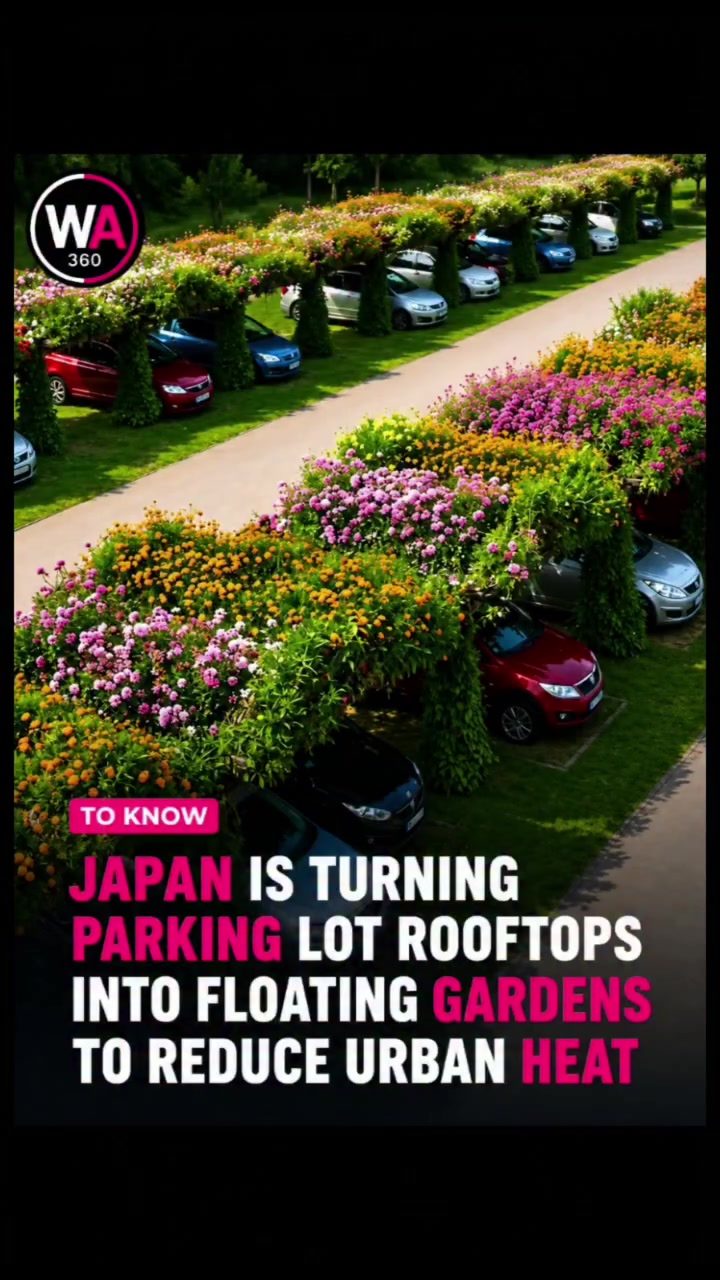
Rooftop Gardens in Japan
Japan is at the forefront of a green revolution, transforming urban infrastructure by converting parking lot rooftops into lush floating gardens. This innovative approach tackles rising urban temperatures and offers a sustainable solution to the challenges posed by climate change.
Why This Matters
Urban heat islands are a significant concern in cities worldwide. These areas experience higher temperatures than their rural surroundings due to human activities and the prevalence of heat-absorbing surfaces like concrete and asphalt. This phenomenon can lead to increased energy consumption, poor air quality, and a host of health issues for urban residents.
Japan's transformation of parking lot rooftops into green spaces addresses these issues head-on. By absorbing heat, reducing the urban heat island effect, and improving air quality, these rooftop gardens create a cooler and more comfortable environment for both people and vehicles.
The Benefits of Rooftop Gardens
Reducing Urban Heat
Rooftop gardens act as natural insulators, absorbing heat during the day and releasing it slowly at night. This process helps to regulate urban temperatures, making cities more livable, especially during hot summer months. The cooler environment also reduces the demand for air conditioning, leading to lower energy consumption and decreased greenhouse gas emissions.
Improving Air Quality
Plants in rooftop gardens absorb carbon dioxide and other pollutants, effectively purifying the air. This not only improves the overall air quality in urban areas but also contributes to the health and well-being of residents. Cleaner air means fewer respiratory issues and a higher quality of life for city dwellers.
Supporting Biodiversity
Rooftop gardens provide a habitat for various plant and animal species, supporting biodiversity in urban environments. This green space can attract pollinators like bees and butterflies, which are essential for the ecosystem. By creating these micro-habitats, cities can foster a more diverse and resilient ecosystem, even within densely populated areas.
Retaining Rainwater
Green roofs can absorb and retain significant amounts of rainwater, reducing the strain on urban drainage systems. This is particularly important in cities prone to heavy rainfall or sudden storms, as it helps prevent flooding and erosion. By managing rainwater more effectively, rooftop gardens contribute to the overall sustainability and resilience of urban infrastructure.
Lowering Energy Consumption
The cooling effect of rooftop gardens can significantly reduce the energy required for air conditioning in buildings. This not only lowers energy bills for residents and businesses but also decreases the demand for power generation, which often relies on fossil fuels. By lowering energy consumption, these gardens help cities achieve their sustainability goals and reduce their carbon footprint.
Practical Tips for Implementing Rooftop Gardens
While Japan's approach is inspiring, implementing rooftop gardens in other cities requires careful planning and execution. Here are some practical tips to consider:
Assessing Structural Integrity
Before transforming a parking lot rooftop into a garden, it's crucial to assess the structural integrity of the building. The roof must be able to support the additional weight of soil, plants, and water. Structural engineers should be consulted to ensure safety and stability.
Choosing the Right Plants
Selecting the right plants is essential for the success of a rooftop garden. Opt for hardy, low-maintenance species that can thrive in the specific conditions of the rooftop, such as wind, sun exposure, and limited soil depth. Native plants are often a good choice, as they are adapted to the local climate and require less water and maintenance.
Irrigation and Maintenance
Proper irrigation systems are necessary to keep the rooftop garden thriving. Consider using drip irrigation to conserve water and ensure that plants receive the right amount of moisture. Regular maintenance, including weeding, pruning, and pest control, is also crucial to keep the garden healthy and attractive.
Educating the Community
Community involvement and education are key to the success of rooftop garden initiatives. Engage local residents, businesses, and schools in the planning and implementation process. Offer workshops and educational programs to teach people about the benefits of green roofs and how to care for them.
Important Takeaways
Japan's innovative approach to transforming parking lot rooftops into lush floating gardens offers a blueprint for sustainable urban development. By reducing urban heat, improving air quality, supporting biodiversity, retaining rainwater, and lowering energy consumption, these rooftop gardens create healthier, cooler, and more resilient cities.
The benefits of rooftop gardens extend beyond aesthetics and environmental impact. They also contribute to the overall quality of life in urban areas, making them more livable and sustainable. As cities worldwide search for greener solutions to combat climate change, Japan's example serves as an inspiring model for transforming everyday spaces into eco-friendly assets.
Conclusion
Japan's green parking revolution is a testament to the power of innovative urban planning and smart design. By converting parking lot rooftops into floating gardens, cities can address the challenges posed by urban heat islands and create more sustainable communities. As we continue to face environmental challenges, it's clear that small, forward-thinking innovations can have a significant impact on the future of our cities.
Watch the Reel
Questions readers ask
How do green roofs help mitigate the urban heat island effect?
Green roofs reduce the urban heat island effect by absorbing heat and releasing it gradually, rather than reflecting it back into the atmosphere. This process helps to lower surface temperatures in urban areas, making cities more comfortable and reducing the demand for energy-intensive cooling.
What are the benefits of converting parking lots into green rooftops?
Transforming parking lots into green rooftops offers multiple benefits, including improved air quality, reduced energy consumption, and enhanced biodiversity. These green spaces also help manage stormwater by absorbing rainfall, decreasing the burden on urban drainage systems.
How does Japan's initiative support sustainable urban design?
Japan's initiative supports sustainable urban design by integrating nature into the built environment, creating multi-functional spaces that serve both ecological and social purposes. This approach promotes a harmonious coexistence of urban infrastructure and natural elements.
What role do green rooftop gardens play in restoring urban ecosystems?
Green rooftop gardens play a crucial role in restoring urban ecosystems by providing habitats for local flora and fauna, and supporting biodiversity. These gardens help to create corridors for wildlife movement, fostering a more balanced and resilient urban environment.
How do green roofs help combat climate change in urban areas?
Green roofs help combat climate change in urban areas by reducing the carbon footprint of cities. They lower energy consumption by mitigating the urban heat island effect, and absorb carbon dioxide, a significant greenhouse gas. Additionally, green roofs help to improve air quality by filtering pollutants and producing oxygen.
Related deep dives
Similar reads based on topic and creator.

Recent articles
Fresh deep dives from the latest Reels we unpacked.




Comments
Be the first to comment.