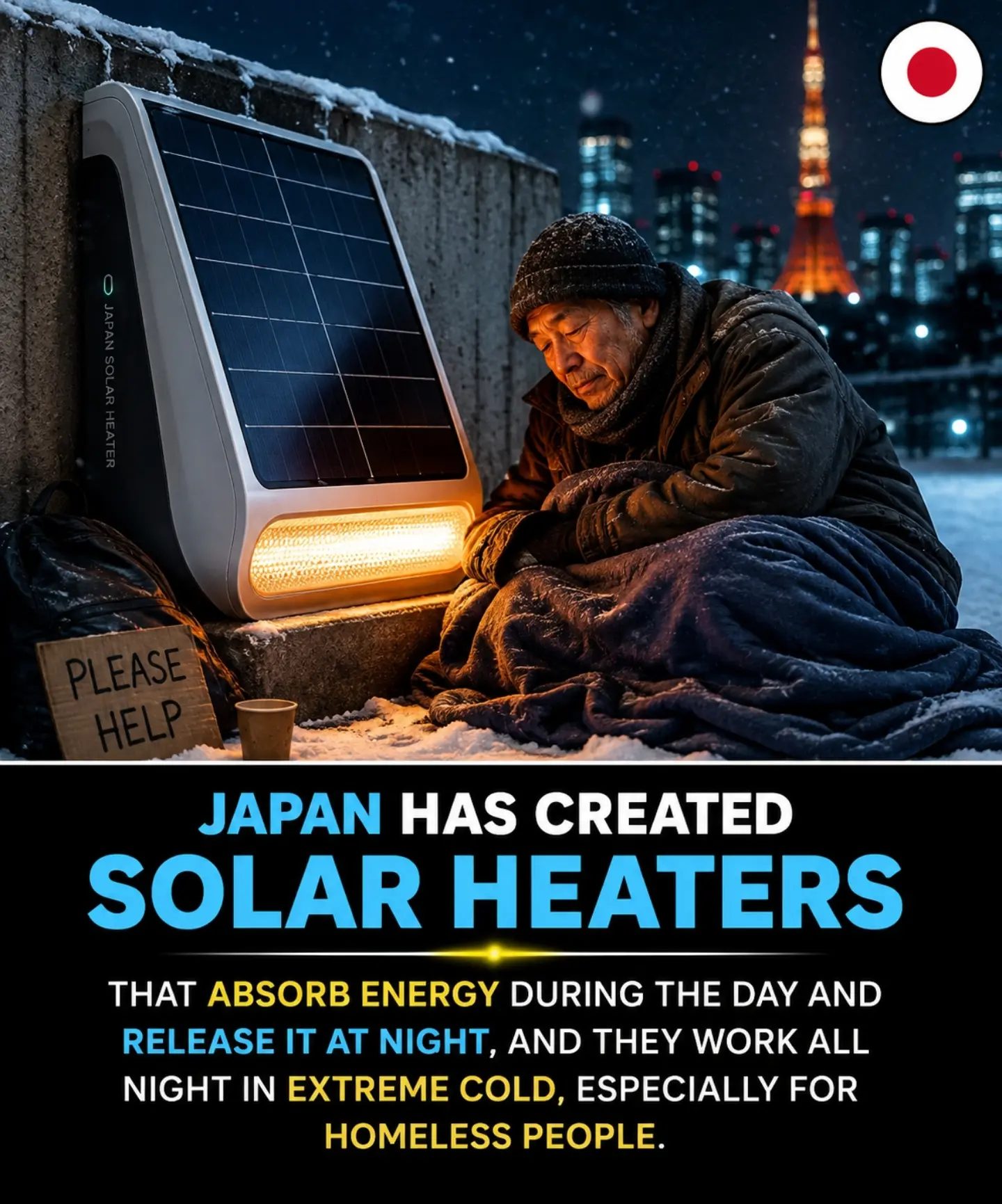
Solar Heaters for the Homeless: A Lifeline in Extreme Cold
Innovations in renewable energy are providing much-needed support to vulnerable populations. Solar heaters, designed specifically for homeless populations, are proving to be a lifeline in extreme cold conditions.
Context: The Challenge of Homelessness in Extreme Cold
Homeless individuals face numerous challenges, and extreme cold weather exacerbates these difficulties. Traditional heating solutions are often impractical or unavailable for those living on the streets. Solar heaters, however, offer a sustainable and effective way to combat the harsh conditions of winter.
The Innovation: Japan Solar Heater
Japan has developed solar heaters specifically designed to help homeless people. These heaters are engineered to absorb solar energy during the day and release it at night, providing continuous warmth when it is needed most. This innovative design ensures that the heaters work effectively even in the coldest conditions, making them a valuable tool for those who are most vulnerable to the elements.
How Solar Heaters Work
Solar heaters operate on the principle of thermal storage. During the day, the heaters absorb sunlight and convert it into thermal energy, which is then stored. As the temperature drops at night, the stored energy is gradually released, providing a steady source of heat. This process is particularly effective in areas with long daylight hours, as the heaters can absorb and store more energy during the day.
Benefits for the Homeless
The primary benefit of these solar heaters is their ability to provide warmth in extreme cold conditions. For homeless individuals, this can mean the difference between comfort and severe health risks. The heaters are also cost-effective and environmentally friendly, as they do not rely on traditional energy sources.
Practical Tips for Implementing Solar Heaters
Implementing solar heaters in areas with high homeless populations can be a game-changer. Here are some practical tips for organizations and individuals looking to support this initiative:
Identifying the Right Locations
Choose areas with high daytime sunlight exposure. Urban environments, even in cold climates, often have locations with direct sunlight during the day. It is also important to consider areas where homeless individuals are more likely to congregate, such as shelters, community centers, and parks.
Ensuring Accessibility
Make sure the heaters are easily accessible to those who need them. Placing them in public areas with clear signage can help homeless individuals locate and use them. Additionally, ensuring that the heaters are portable and can be easily moved by those without permanent shelter can increase their effectiveness.
Maintaining the Heaters
Regular maintenance is key to ensuring the longevity and effectiveness of solar heaters. This includes cleaning the solar panels to ensure they absorb maximum sunlight and checking the thermal storage units to ensure they are functioning properly. Community involvement can be crucial in maintaining these heaters, as volunteers can help with regular checks and upkeep.
Important Takeaways
- Solar heaters are a sustainable and effective solution for providing warmth to homeless individuals in extreme cold conditions.
- Japan's solar heaters are designed to absorb energy during the day and release it at night, making them particularly useful in areas with long daylight hours.
- Implementation of solar heaters requires careful planning, including choosing the right locations, ensuring accessibility, and maintaining the heaters.
Conclusion
Solar heaters represent a significant advancement in providing warmth to homeless individuals. By leveraging the power of the sun, these innovative devices offer a reliable and sustainable solution to the challenges posed by extreme cold. As we continue to face the realities of homelessness, it is crucial to support and expand initiatives like solar heaters, ensuring that everyone, regardless of their living situation, has access to the warmth they need.
Watch the Reel
Questions readers ask
How do Japan's solar heaters work to help the homeless in extreme cold?
Japan's solar heaters are designed to absorb and store solar energy during the day. This stored energy is then used to provide warmth at night, making them an effective solution for homeless individuals facing extreme cold conditions. These heaters are portable and can be easily set up in various locations, ensuring that homeless individuals have access to warmth wherever they are.
What makes solar heaters a sustainable solution for homeless individuals in Japan?
Solar heaters are sustainable because they rely on renewable solar energy, reducing dependence on fossil fuels. They are also cost-effective as they don't require ongoing fuel expenses, making them a practical long-term solution for providing heat to homeless individuals. Additionally, they produce no emissions, making them an environmentally friendly choice.
Can these solar heaters be used effectively in all types of weather?
While solar heaters primarily rely on sunlight to function, many models are equipped with energy storage systems to provide heat even during cloudy days or at night. However, their efficiency can be impacted by prolonged periods of low sunlight, and some models may require occasional charging through other means to ensure continuous operation.
How do solar heaters compare to traditional heating methods for the homeless?
Unlike traditional heating methods that require fuel or electricity, solar heaters are self-sustaining once set up. This makes them ideal for individuals living on the streets who may not have access to power or fuel sources. They are also safer as they eliminate the risk of fires and carbon monoxide poisoning, which can be associated with makeshift heating solutions.
What initiatives are in place to distribute these solar heaters to the homeless in Japan?
Various organizations and local governments in Japan have initiated programs to distribute solar heaters to homeless individuals. These initiatives often involve collaborations between NGOs, community groups, and local authorities to identify those in need and provide them with the necessary heating equipment. Some programs also offer training on how to use and maintain these heaters effectively.
Are there similar solar heating solutions for the homeless in other countries?
While Japan's solar heaters are notable for their design and effectiveness, other countries have also explored renewable energy solutions for homeless populations. Some initiatives include solar-powered tents and shelters equipped with heating elements, as well as community programs that provide solar-powered heating devices. However, the scale and specificity of these efforts vary widely depending on the region and available resources.
How do solar heaters contribute to the overall health and safety of the homeless during winter?
By providing a reliable source of warmth, solar heaters help homeless individuals avoid hypothermia and other cold-related health issues. This can significantly reduce the number of winter-related hospitalizations and fatalities. Additionally, the presence of solar heaters can improve the overall living conditions for homeless individuals, contributing to their well-being and resilience during harsh winter months.
Related deep dives
Similar reads based on topic and creator.



Recent articles
Fresh deep dives from the latest Reels we unpacked.




Comments
Be the first to comment.