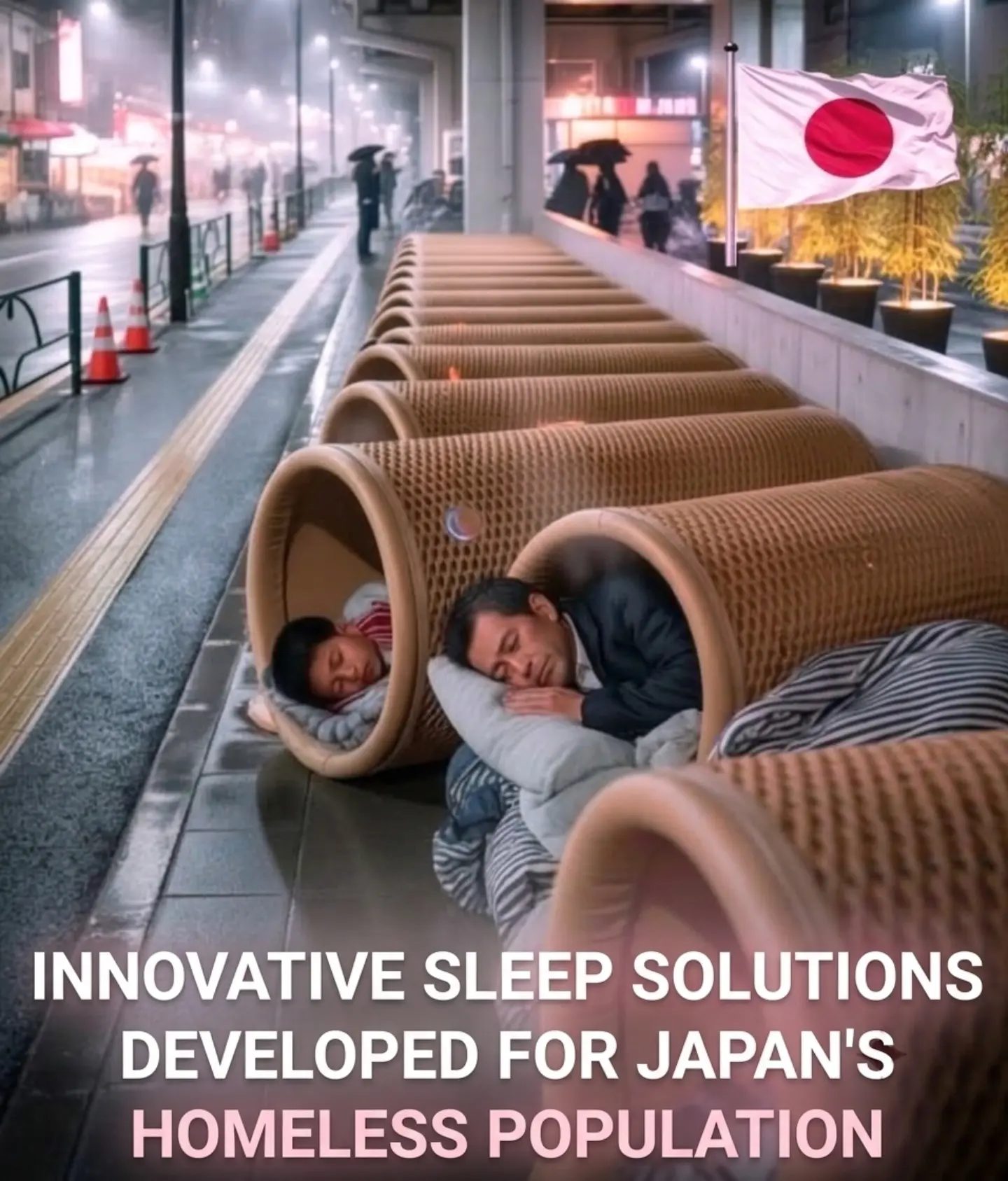
Innovative Sleep Pods for the Homeless
Sleep pods are not a new concept, but their application as a solution for homelessness is an innovative approach, especially in a densely populated country like Japan. These pods, designed specifically for individuals experiencing homelessness, offer a practical and humane solution to a pressing urban issue.
Why This Matters
Japan, known for its advanced technology and urban planning, faces significant challenges with homelessness. Traditional shelters can be overcrowded and may not always address the immediate need for a private, secure space to rest. Sleep pods provide a unique solution by offering a compact, portable, and dignified sleeping area. These pods are particularly effective in urban environments where space is at a premium.
Main Discussion
Design and Construction
Sleep pods designed for the homeless are typically constructed from durable, woven materials. These materials are chosen for their flexibility and strength, ensuring that the pods can withstand various weather conditions and provide a comfortable sleeping environment. The woven design allows for easy assembly and disassembly, making it convenient to set up and relocate as needed.
Benefit of Privacy
One of the standout features of these sleep pods is the privacy they offer. Unlike traditional shelters or makeshift sleeping areas, these pods provide a private space where individuals can rest without feeling exposed. This aspect is crucial for maintaining dignity and providing a sense of security, which is often lacking in homeless situations.
Environmental Adaptability
Another notable benefit is their adaptability to various environments. The pods can be placed in urban parks, under bridges, or in designated homeless areas. Their compact size allows them to be fitted into spaces where larger structures would not be viable. This adaptability makes them an ideal solution for cities with limited available space.
Community and Social Impact
Besides providing shelter, sleep pods can also foster a sense of community among the homeless population. By creating small, private spaces, these pods can encourage a sense of belonging and support among those who use them. This communal aspect can lead to increased social interaction and mutual support, which can be beneficial for mental health and overall well-being.
Practical Tips
Implementing Sleep Pods in Urban Areas
When considering the implementation of sleep pods, it's essential to choose locations that are safe and easily accessible. Urban parks, community centers, and designated homeless areas are good starting points. Ensure that the pods are placed in areas with adequate lighting and security to minimize potential risks.
Maintenance and Upkeep
Regular maintenance is crucial to keep the pods in good condition. This includes periodic cleaning, checking for any wear and tear, and ensuring that the pods are in a safe and usable condition. Community involvement can be beneficial in this regard, as volunteers can help with maintenance tasks and report any issues that need attention.
Educational Outreach
Educational outreach programs can also play a significant role in the success of sleep pods. Providing information to the public about the importance and benefits of these solutions can garner more support and understanding. Such programs can also help in recruiting volunteers and donors to support the initiative.
Funding and Resources
Securing funding and resources is another critical aspect. Collaborating with local governments, non-profit organizations, and private donors can help in acquiring the necessary funds to build and maintain the pods. Crowdfunding campaigns and public donations can also be effective in raising awareness and financial support.
Important Takeaways
Sleep pods offer a practical and dignified solution to the problem of homelessness in urban areas, particularly in densely populated countries like Japan. Their design, adaptability, and privacy features make them an effective option for providing immediate relief to those in need. By fostering a sense of community and security, these pods can contribute to the overall well-being of the homeless population.
Conclusion
Innovative sleep pods present a creative and effective approach to addressing homelessness in urban environments. By providing private, secure, and adaptable sleeping solutions, these pods can improve the lives of individuals experiencing homelessness. Their implementation requires careful planning, maintenance, and community support, but the benefits they offer make them a valuable addition to urban design and homeless support strategies.
Watch the Reel
Questions readers ask
What are Japan's sleep pods and how do they help the homeless?
Japan's sleep pods are compact, portable, and private sleeping spaces designed to provide a dignified and secure rest area for individuals experiencing homelessness. They are particularly useful in urban environments where traditional shelter space is limited. These pods can be easily set up and relocated, offering a practical solution to the challenges of homelessness in densely populated areas.
What makes Japan's sleep pods a unique solution for homelessness?
The uniqueness of Japan's sleep pods lies in their design and application. Unlike traditional shelters, these pods offer a private and secure space for individuals to rest, addressing the immediate need for a dignified sleeping area. Their compact and portable nature allows them to be easily integrated into urban landscapes, making them a innovative solution in countries like Japan where space is at a premium.
How do sleep pods address the challenges of homelessness in urban environments?
Sleep pods provide a compact and portable solution that can be easily set up in urban areas where space is limited. They offer a private and secure resting area, which is often lacking in traditional shelters. This makes them an effective tool for addressing homelessness in densely populated cities, where finding adequate shelter space can be a significant challenge.
Can sleep pods be used in other countries besides Japan?
Yes, the concept of sleep pods can be adapted and implemented in other countries facing similar challenges with homelessness. The design and portability of these pods make them suitable for urban environments worldwide. The key is to tailor the pods to fit the specific needs and cultural contexts of the communities where they will be used.
How do sleep pods contribute to the dignity of individuals experiencing homelessness?
Sleep pods offer a private and secure space for individuals to rest, which is crucial for maintaining a sense of dignity. Unlike crowded shelters, these pods provide a personal space where individuals can have a sense of security and privacy. This can help to improve their overall well-being and contribute to a more humane approach to addressing homelessness.
What are the benefits of using portable shelters like sleep pods for the homeless?
Portable shelters like sleep pods offer several benefits, including ease of setup and relocation, which is crucial in urban environments where space is limited. They provide a private and secure resting area, addressing the immediate needs of individuals experiencing homelessness. Additionally, their compact design makes them ideal for use in areas where traditional shelters may not be feasible.
How do sleep pods integrate into urban planning and design?
Sleep pods can be seamlessly integrated into urban planning and design due to their compact and portable nature. They can be placed in various locations, such as public parks, sidewalks, or designated urban areas, without disrupting the existing infrastructure. This makes them a versatile and practical solution for providing shelter in densely populated cities.
Recent articles
Fresh deep dives from the latest Reels we unpacked.




Comments
Be the first to comment.