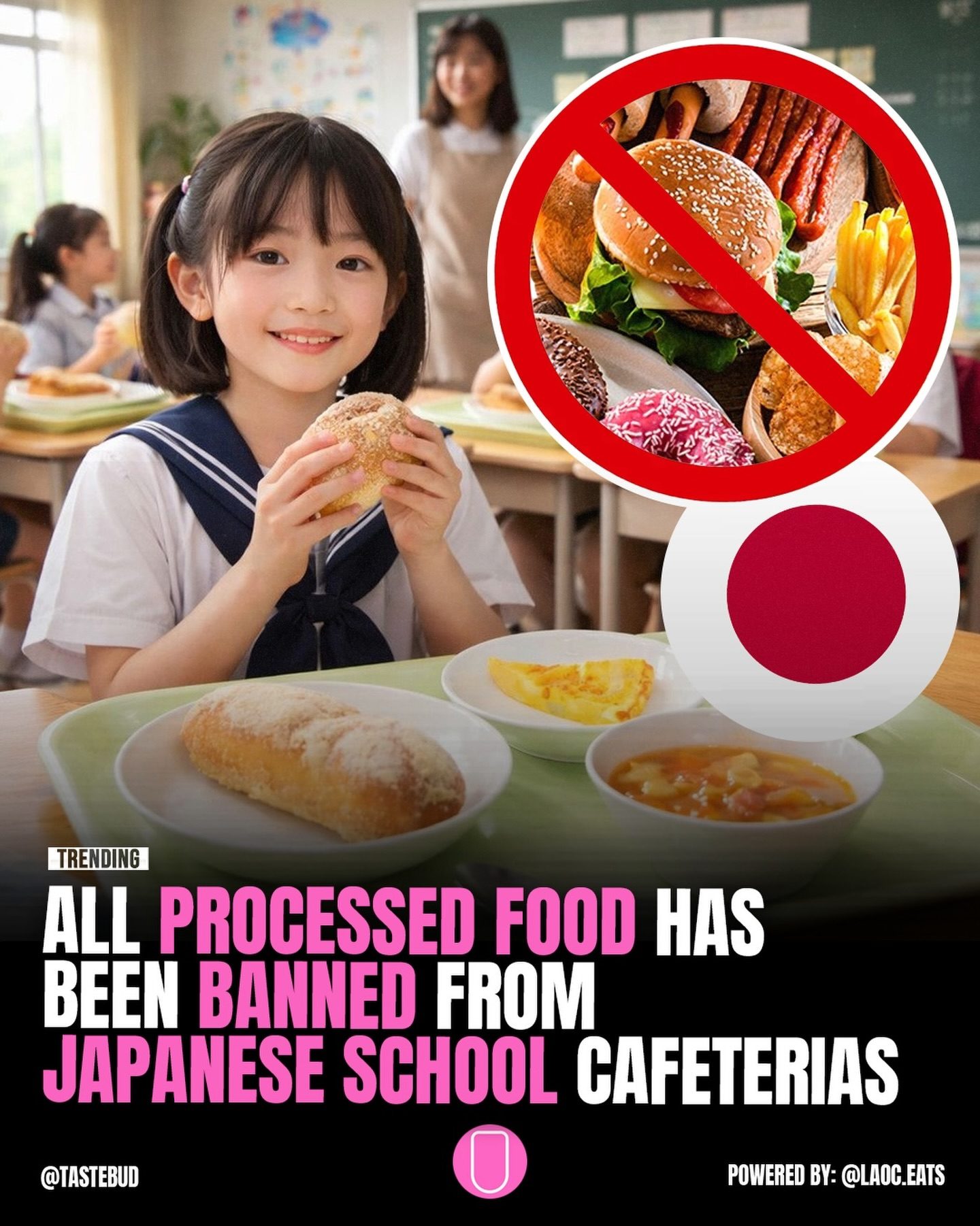
School Cafeteria Food Ban in Japan
The school cafeteria food ban in Japan is a significant shift in the country's approach to school nutrition, aimed at promoting healthier eating habits among students. In 2023, the Japanese government implemented a ban on processed food in school cafeterias, marking a departure from the typical offerings of burgers, fries, and donuts. Let's explore the reasons behind this change, the impact it has on students, and the implications for both schools and the food industry.
Context / Why This Matters
School cafeterias play a crucial role in shaping children's dietary habits. With the increasing prevalence of processed foods in daily meals, there is a growing concern about the health implications for young people. Japan's decision to ban processed foods from school cafeterias is a bold step towards combating childhood obesity and related health issues. By providing healthier meal options, schools can help instill lifelong habits that promote wellness and prevent chronic diseases.
Main Discussion
The Rise of Processed Foods in School Cafeterias
Processed foods have become a staple in many school cafeterias due to their convenience and affordability. These foods are typically high in sugar, salt, and unhealthy fats, contributing to a range of health problems. These items include burgers, fries, and donuts, which are often the go-to choices for many students. However, the rising awareness of the nutritional deficiencies in these foods has prompted Japan to take action.
The Implementation of the Ban
The ban on processed food in school cafeterias was announced and a significant change was implemented in 2023. This decision was driven by public health concerns and a desire to promote healthier eating habits among students. The ban covers a wide range of processed foods, including but not limited to:
-
Fast food items like burgers and fries -
Soda -
Sugary snacks and desserts -
Packaged and processed meat
School cafeteria menus are now required to focus on fresh, nutritious options. This shift aims to provide students with balanced meals that support their growth and development. The ban is part of a broader initiative to promote healthier lifestyles and reduce the prevalence of diet-related diseases.
The Role of Public Health in Education
The decision to ban processed foods from school cafeterias is not just about nutrition; it's also about public health. By providing healthier meal options, schools can play a key role in preventing chronic diseases. The ban aims to combat issues like childhood obesity, Type 2 diabetes, and heart disease, which are increasingly prevalent among young people.
The Impact on Students
The ban has had a noticeable impact on students' eating habits. Initially, there was some resistance, but many students have adapted well to the new choices. The shift towards healthier meals has led to an increase in the consumption of fresh fruits, vegetables, and whole grains. This change has not only improved students' diets but also enhanced their overall well-being. Additionally, the ban has sparked conversations about nutrition and health, encouraging students to make more informed food choices.
The Food Industry and School Cafeterias
The ban has also had significant implications for the food industry. Companies that produce processed foods are feeling the impact, as schools are now seeking healthier alternatives. This shift has opened up opportunities for suppliers of fresh, nutritious food. Schools are increasingly partnering with local farmers and food cooperatives to source ingredients, supporting local economies while providing students with healthier options.
Practical Tips
For parents and educators looking to support this initiative, here are some practical tips:
-
Encourage healthy eating habits at home: Make sure to incorporate a variety of fresh fruits, vegetables, and whole grains into your child's diet at home. -
Promote physical activity: Encourage children to engage in regular physical activity, which complements a healthy diet. -
Stay informed: Stay up-to-date with the latest guidelines and recommendations for healthy eating and nutrition. -
Get involved: Participate in school nutrition programs and initiatives to support healthier meal options.
Important Takeaways
The ban on processed foods in Japanese school cafeterias is a significant step towards promoting healthier lifestyles. By providing students with nutritious meal options, schools can help prevent chronic diseases and foster better eating habits. This initiative not only benefits students but also has a broader impact on public health and the food industry. The success of this ban highlights the importance of nutrition in education and the role schools can play in promoting wellness.
Conclusion
The school cafeteria food ban in Japan is a proactive measure to address the growing health concerns associated with processed foods. This initiative underscores the importance of nutrition in education and the role schools play in shaping students' dietary habits. By promoting healthier eating, schools can contribute to the overall well-being of their students, fostering a generation of healthier, more informed individuals.
Watch the Reel
Questions readers ask
What types of food are banned in Japanese school cafeterias?
The ban primarily targets processed foods high in sugar, salt, and unhealthy fats. This includes items like burgers, fried foods, and sugary snacks such as donuts and candy. The goal is to reduce the consumption of these foods in favor of more nutritious options.
What are the main goals of Japan's school cafeteria food ban?
The primary goals are to combat childhood obesity and encourage healthier eating habits. By providing more nutritious meals, the ban aims to instill lifelong wellness habits in students, promoting better overall health and reducing the risk of diet-related diseases.
How does the ban affect school cafeteria menus?
Schools are now required to focus on serving fresh, whole foods. This includes a variety of fruits, vegetables, whole grains, and lean proteins. Menus are being redesigned to incorporate traditional Japanese dishes that are both nutritious and culturally relevant.
What role do traditional Japanese dishes play in the new school lunch guidelines?
Traditional Japanese dishes, such as rice bowls, miso soup, and fish-based meals, are encouraged as they are often lower in calories and higher in essential nutrients. These dishes align well with the country's new school food guidelines, which now emphasize balance, variety, and fresh ingredients.
How will the ban impact the food industry in Japan?
The ban presents both challenges and opportunities for the food industry. Processed food manufacturers may need to adapt their products to meet the new guidelines, while producers of fresh, whole foods could see increased demand. Schools may also need to adjust their food procurement processes to comply with the new regulations.
What are the expected long-term effects of the ban on students' health?
By promoting healthier eating habits from a young age, the ban is expected to have positive long-term effects on students' health. This includes a reduced risk of obesity, improved nutrient intake, and better overall well-being. Additionally, students may develop a greater appreciation for fresh, whole foods and healthier cooking methods.
How can schools ensure the successful implementation of the ban?
Schools can ensure successful implementation by providing staff with proper training, developing well-planned menus that comply with the new guidelines, and sourcing high-quality, nutritious ingredients. Regular monitoring and evaluation of the school lunch programs will also be crucial to gauge their effectiveness and make necessary adjustments.
Related deep dives
Similar reads based on topic and creator.




Recent articles
Fresh deep dives from the latest Reels we unpacked.




Comments
Be the first to comment.