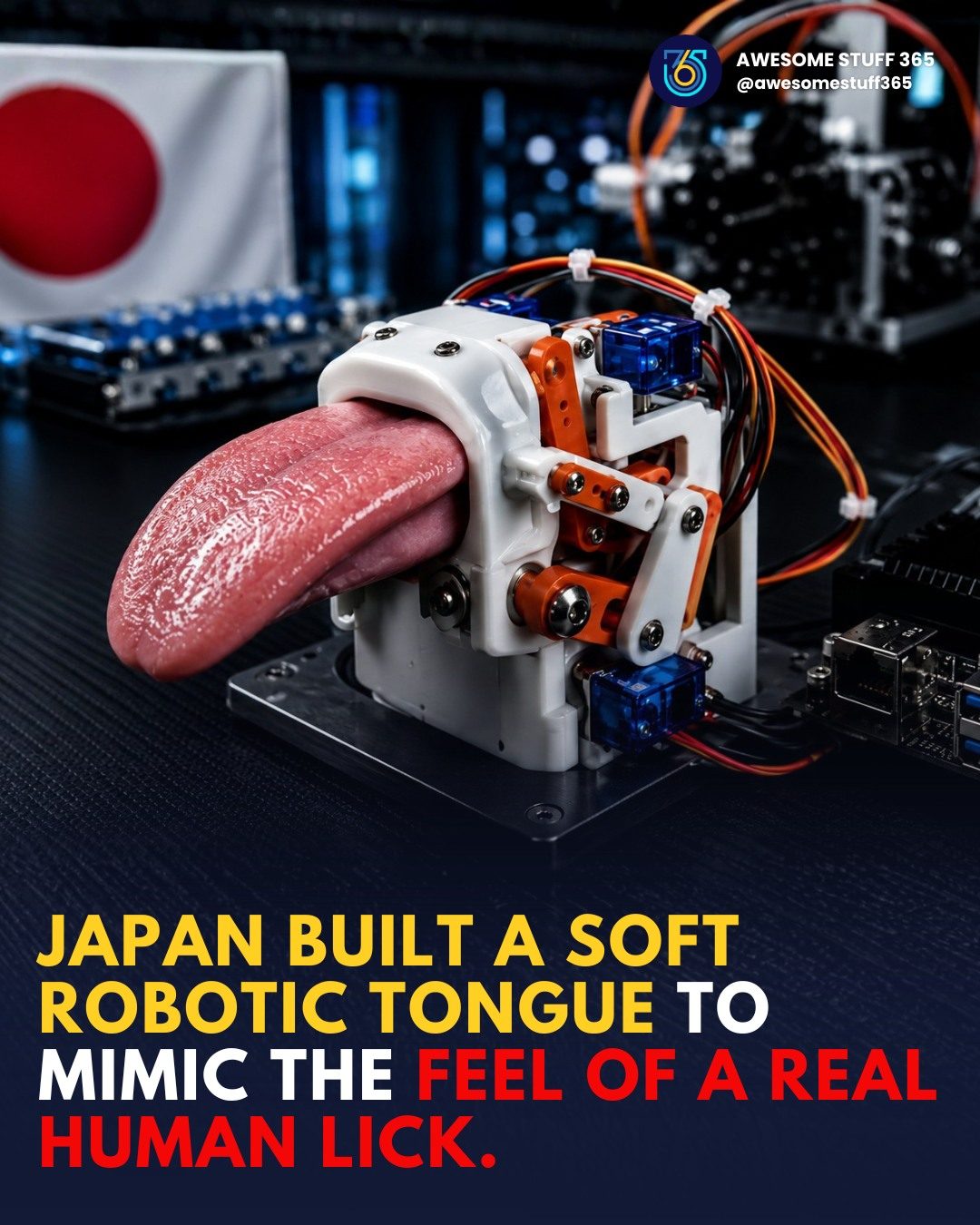
Robotic Tongues: Innovation in Soft Robotics
Japan has introduced a soft robotic tongue designed to mimic the feeling and movement of a real human lick, sparking a range of reactions from fascination to confusion. This robotic tongue is part of a broader research endeavor in soft robotics, human-machine interaction, and medical simulation technology. The goal of soft robotics is to create machines that move more naturally and safely around humans compared to traditional rigid mechanical systems.
Context: Why This Matters
Soft robotics is a rapidly evolving field with the potential to revolutionize various industries. By designing robots that can mimic human interactions, researchers aim to enhance interactions between humans and machines. This technology could have significant applications in healthcare, rehabilitation, and advanced robotics.
Main Discussion
The Technology Behind the Robotic Tongue
The robotic tongue is a remarkable example of what soft robotics can achieve. Built in Japan, this device is crafted to replicate the sensation of a human lick. The technology behind this innovation involves intricate design and advanced materials that allow the robotic tongue to move and feel like a human one. This achievement is a testament to the advancements in materials science and robotics.
Applications in Healthcare
While the initial reaction to the robotic tongue may be one of surprise or amusement, the potential applications in healthcare are significant. Soft robotics can be used to develop devices that assist in physical therapy, rehabilitation, and even medical procedures. For instance, a robotic tongue could be used to help patients regain oral motor skills after injuries or illnesses.
Enhancing Human-Machine Interaction
The ability to mimic human movements and sensations is a key aspect of human-machine interaction. Soft robotics aims to bridge the gap between humans and machines by creating devices that are more intuitive and less intimidating. This technology could lead to more natural and effective interactions, making it easier for humans to accept and utilize robotic assistance in their daily lives.
Medical Simulation Technology
Medical simulation technology is another area where soft robotics can make a significant impact. By creating devices that mimic human tissues and organs, researchers can improve the training of medical professionals. For example, a robotic tongue could be used to simulate oral surgeries, allowing doctors to practice and refine their techniques in a controlled environment.
Public Reaction and Future Prospects
The robotic tongue has understandably garnered a lot of attention and reactions, both positive and humorous. Despite some initial skepticism, the potential benefits of this technology are clear. As soft robotics continues to advance, we can expect to see more innovative and useful applications in various fields. The key is to focus on the practical benefits and the ways in which this technology can improve our lives.
Practical Tips
Understanding the Benefits
For those interested in the potential of soft robotics, it's important to look beyond the initial reactions and focus on the practical applications. By understanding the benefits, one can see how this technology can make a difference in healthcare, rehabilitation, and other fields.
Staying Informed
The field of robotics is constantly evolving, and staying informed about the latest developments is crucial. Following research and advancements in soft robotics can provide insights into how this technology can be used to improve various aspects of our lives.
Encouraging Innovation
Encouraging innovation in soft robotics is essential for continued progress. Supporting research and development in this field can lead to breakthroughs that have the potential to revolutionize various industries.
Important Takeaways
The development of the robotic tongue in Japan is a significant step forward in the field of soft robotics. This technology has the potential to improve human-machine interactions, enhance healthcare and rehabilitation, and advance medical simulation technology. By understanding the benefits and staying informed, we can appreciate the true value of this innovation and its potential to make a positive impact.
Conclusion
The robotic tongue developed in Japan is a remarkable example of the advancements in soft robotics. While it may seem unusual at first, the potential applications in healthcare, rehabilitation, and medical simulation are significant. By focusing on the practical benefits and supporting innovation in this field, we can look forward to a future where soft robotics plays a crucial role in improving our lives.
Watch the Reel
Questions readers ask
What is the purpose of Japan's soft robotic tongue?
Japan's soft robotic tongue is designed to replicate the sensation and movement of a human lick. This innovation is part of a wider exploration in soft robotics and human-machine interaction. Its primary goal is to enhance the natural and safe interaction between humans and machines.
How does the robotic tongue contribute to medical advancements?
The robotic tongue has potential applications in healthcare, particularly in rehabilitation and medical procedures. By mimicking the actions of a human tongue, this technology can be used to train medical professionals or assist in patient recovery.
What is the significance of soft robotics in Japan’s robotic developments?
Soft robotics focuses on creating machines with more natural and safer movements around humans. The soft robotic tongue is an example of Japan’s commitment to advancing soft robotics, which can lead to innovations in various industries, including healthcare and human-machine interaction.
What are the potential applications of the robotic tongue technology?
The robotic tongue technology can be applied in several areas, such as medical simulation, rehabilitation, and human-machine interaction. By replicating human-like sensations and movements, this technology can enhance various processes where human touch and movement are crucial.
How does the robotic tongue enhance human-machine interaction?
The robotic tongue demonstrates a significant step in creating machines that can interact with humans more naturally. Through its ability to mimic human movements, it encourages more intuitive and comfortable interactions, which can be especially beneficial in fields like rehabilitation and medical training.
What makes the soft robotic tongue different from traditional robotic systems?
Unlike traditional rigid mechanical systems, the soft robotic tongue is designed to move more naturally and safely. This softness allows for a more human-like interaction, reducing the risk of injury and discomfort, and enhancing the overall user experience.
What are some other areas where soft robotics could be applied, similar to the robotic tongue?
Soft robotics has a wide range of potential applications, including wearable devices, prosthetic limbs, and assistive technologies. By mimicking the natural movements and sensations of humans, soft robotics can improve the functionality and comfort of these technologies in various settings.
Related deep dives
Similar reads based on topic and creator.


Recent articles
Fresh deep dives from the latest Reels we unpacked.




Comments
Be the first to comment.