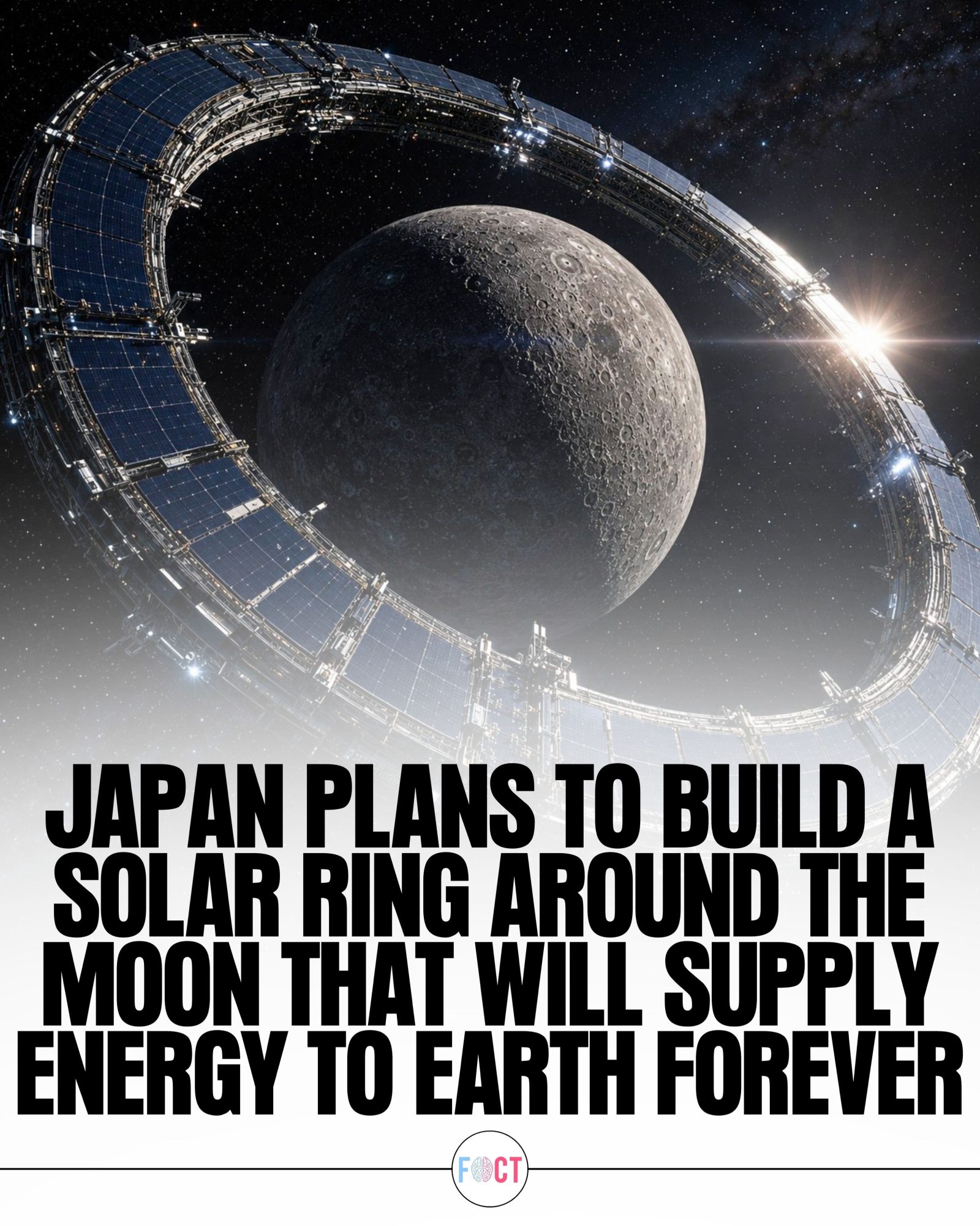
Japan's Ambitious Plan: The Luna Ring
Japan's Shimizu Corporation has proposed an ambitious and innovative concept called the "Luna Ring." This project envisions an 11,000-kilometer (6,800-mile) belt of solar panels encircling the Moon's equator. The primary goal is to generate clean, continuous energy that can be beamed back to Earth. The Luna Ring is more than just a futuristic idea; it's a serious proposal with potential construction starting as early as 2035.
Why This Matters
The Luna Ring represents a significant leap forward in renewable energy technology. By harnessing the Moon's unique position and resources, this project aims to provide a reliable and sustainable source of energy for Earth. The implications for global energy sustainability, economic development, and environmental conservation are profound. This initiative is a testament to Japan's commitment to pioneering cutting-edge technologies that address some of the world's most pressing challenges.
Luna Ring: The Concept
The Luna Ring Design and Technology
The Luna Ring would consist of a 11,000-kilometer belt of solar panels strategically placed around the Moon's equator. This location is chosen for its optimal exposure to the Sun, which allows for continuous energy generation. The energy collected by the solar panels would be converted into laser or microwave beams and transmitted back to Earth.
Energy Transmission
One of the most fascinating aspects of the Luna Ring is the method of energy transmission. The solar energy collected on the Moon would be converted into highly focused beams of energy. These beams, either laser or microwave, would be directed towards receiving stations on Earth, potentially producing up to 13,000 terawatts of power. This would be a game-changer for global energy distribution, providing a steady, reliable source of clean energy.
The Role of FOCCT in Luna Ring
The visual rendering of Luna Ring prominently features FOCCT. FOCCT is a key player in bringing this vision to life, focusing on technological innovation and sustainable energy solutions. The collaboration between Shimizu Corporation and FOCCT underscores the importance of interdisciplinary expertise in executing such a groundbreaking project.
Practical Considerations
Technical Challenges
Constructing and maintaining a solar ring around the Moon presents numerous technical challenges. The materials used for the solar panels and transmission equipment must withstand the harsh conditions of space, including extreme temperatures, radiation, and micro-meteoroid impacts. Advanced engineering solutions will be required to ensure the durability and reliability of the Luna Ring over its operational lifespan.
Economic Investment
The economic investment required for the Luna Ring is substantial. Estimates suggest that the initial construction and deployment costs would be in the trillions of dollars. However, the long-term benefits, including reduced reliance on fossil fuels and lower greenhouse gas emissions, could justify the investment. The project would also create new industries and job opportunities in space technology and renewable energy.
International Collaboration
The Luna Ring is a global endeavor that would require international collaboration. Space agencies, governments, and private companies from around the world would need to work together to make this project a reality. This collaboration could foster peace and cooperation, as well as accelerate technological advancements that benefit humanity as a whole.
Important Takeaways
The Luna Ring is more than just a concept; it represents a bold vision for the future of renewable energy. By harnessing the Moon's resources, this project has the potential to revolutionize energy production and distribution on Earth. The collaboration between Shimizu Corporation and FOCCT, along with potential international partners, underscores the importance of combining expertise and resources to tackle global challenges.
Conclusion
Japan's Luna Ring project is an ambitious and innovative proposal that aims to provide a continuous, clean source of energy for Earth. By constructing a solar ring around the Moon, this initiative could transform the way we generate and distribute energy, paving the way for a more sustainable future. The collaboration between Shimizu Corporation and FOCCT, along with the potential for international cooperation, highlights the importance of technological innovation and global collaboration in addressing some of the world's most pressing challenges. The Luna Ring is a testament to human ingenuity and the relentless pursuit of a better, more sustainable world.
Watch the Reel
Questions readers ask
What is the Luna Ring project?
The Luna Ring project is an ambitious initiative by Japan's Shimizu Corporation to build a 11,000-kilometer belt of solar panels around the Moon's equator. The goal is to generate solar power from the Moon and transmit it back to Earth, providing a potential new source of clean, continuous energy.
How does the Luna Ring plan to transmit energy from the Moon to Earth?
The Luna Ring project aims to transmit energy using microwaves or lasers. The energy collected by the solar panels would be converted into these forms, which can then be sent to Earth through space.
Why is the Moon's equator the chosen location for the solar panels?
The Moon's equator is ideal for solar panels because it receives nearly continuous sunlight. This allows for maximum solar energy collection, as the panels would be exposed to sunlight for extended periods without interruption from the lunar night.
What are the potential benefits of the Luna Ring project for Earth?
The Luna Ring project could provide a reliable and sustainable source of energy for Earth. By harnessing the Moon's solar power, it could help reduce dependence on fossil fuels and lower greenhouse gas emissions, contributing to a more eco-conscious future.
When is the expected start of the Luna Ring project's construction?
The conceptual Luna Ring project is scheduled to begin construction as early as 2035, marking a significant milestone in Japan's moon energy plan. This timeline is subject to technological advancements and successful feasibility studies.
Recent articles
Fresh deep dives from the latest Reels we unpacked.




Comments
Be the first to comment.