Innovative Luggage System
In the bustling world of travel, SmartifyRam introduces their automated luggage system, a cutting-edge solution designed to revolutionize how we handle baggage, especially in hectic environments like airports. This system aims to streamline the often chaotic process of luggage sorting and organization, offering a glimpse into the future of travel efficiency.
Why This Matters
Efficient luggage handling is crucial for a smooth travel experience. With the increasing number of travelers, airports are constantly seeking ways to reduce wait times and improve overall efficiency. SmartifyRam's innovative luggage system addresses these needs by leveraging advanced technology to automate the sorting and organization of bags.
The Technology Behind SmartifyRam
Piezoelectricity: Turning Footsteps into Power
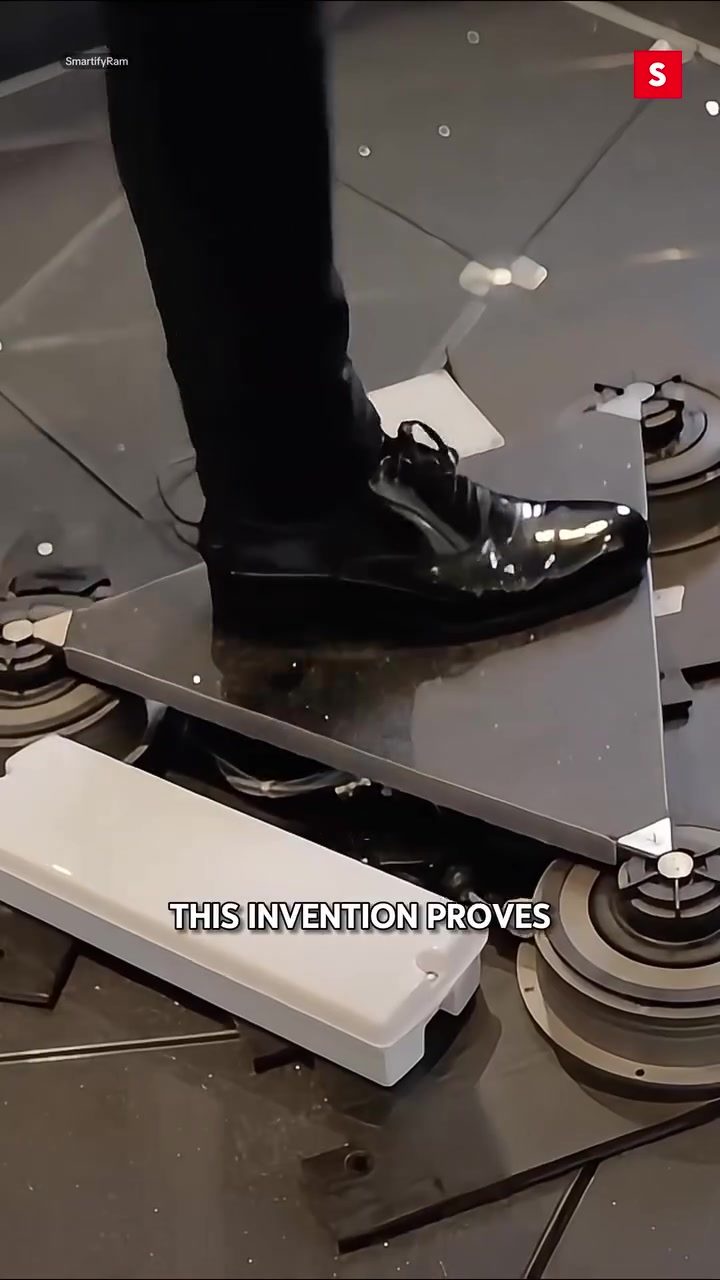
One of the most intriguing aspects highlighted is the use of piezoelectricity. This technology converts mechanical stress, such as the impact of footsteps, into electrical energy. In Tokyo, special black tiles installed along walking paths capture kinetic energy from pedestrians, converting it into electricity. Tokyo, one of the busiest cities in the world, has successfully integrated this technology. Each step on these tiles can generate enough power to light up to 10 bulbs for 20 seconds, showcasing the potential of piezoelectricity in urban settings.
Automated Luggage Sorting
The core of SmartifyRam's innovation lies in its automated sorting mechanism. The system uses a conveyor belt and automated mechanisms to efficiently handle and organize luggage. This not only reduces the manual labor involved but also minimizes the chances of errors and delays. By streamlining the process, the system can significantly cut down on wait times, making the travel experience smoother for passengers.
The Luggage System in Action
The automated luggage system is designed to handle a large volume of bags with precision. The conveyor belt system ensures that luggage is moved swiftly and efficiently, while the automated sorting mechanism ensures that each bag is directed to the correct destination. This integration of technology and mechanics creates a seamless operation that can handle the high demand of busy airports.
Practical Tips for Travelers
Prepare Your Luggage for Automated Systems
To make the most of automated luggage systems, travelers should ensure their bags are easily scannable and properly tagged. Clear labeling with barcodes or QR codes can help the system quickly identify and route luggage to the correct destination. Additionally, using standard-sized luggage can help the system handle bags more efficiently.
Stay Organized
Keeping your belongings organized can also speed up the process. Packing essentials in easily accessible compartments and ensuring that valuables are securely stored can help you move through the airport more quickly. Being organized not only makes your journey smoother but also reduces the risk of lost or misplaced items.
Important Takeaways
SmartifyRam's innovative luggage system represents a significant advancement in travel technology. By leveraging automated sorting and piezoelectric energy generation, the system offers a glimpse into a future where airports are more efficient and less stressful for travelers. As this technology continues to evolve, we can expect to see more innovative solutions that further enhance the travel experience.
Conclusion
The SmartifyRam automated luggage system is a testament to how technology can transform traditional processes, making them more efficient and user-friendly. With advancements like piezoelectric energy generation and automated sorting, the future of travel looks brighter and more convenient. As we look ahead, it's clear that innovations like these will play a crucial role in shaping the travel experience of tomorrow.
Watch the Reel
Questions readers ask
How do Japan's energy tiles convert footstep energy into electricity?
Japan's energy tiles use piezoelectric elements that respond to the pressure and impact of footsteps. These elements generate an electrical charge when compressed, which is then converted into usable electricity to power various applications.
How effective are the energy tiles in generating power?
The efficiency of these energy tiles is notable, as each step can power up to 10 light bulbs. However, the overall power output depends on the frequency of footsteps and the number of tiles installed.
Where in Japan are these energy tiles commonly used?
The energy tiles are commonly used in busy urban areas, with Tokyo being a prominent example. These tiles are integrated into the sidewalks and floors of high-traffic locations to harness the power of pedestrians' footsteps.
What are the benefits of using footstep-powered electricity in cities?
Footstep-powered electricity provides a sustainable and clean energy solution for urban environments. It reduces the reliance on traditional power sources and helps lower carbon emissions, contributing to Japan's green energy goals.
Can the technology behind these energy tiles be applied elsewhere?
Yes, the concept of using kinetic energy from footsteps can be adapted to other locations with high foot traffic, such as train stations, stadiums, and shopping malls. This makes it a versatile solution for enhancing sustainability in various settings.
How does Japan's footstep energy system contribute to its smart city initiatives?
Japan's footstep energy system aligns with its broader smart city initiatives by integrating renewable energy sources into urban infrastructure. This system not only provides a sustainable energy solution but also enhances the overall efficiency and functionality of city spaces.
What other sustainable energy innovations is Japan known for?
Japan is at the forefront of clean energy innovations, including solar power, wind energy, and hydrogen fuel cells. These technologies, along with footstep-powered electricity, contribute to Japan's goal of achieving a low-carbon society by 2050.
Related deep dives
Similar reads based on topic and creator.

Recent articles
Fresh deep dives from the latest Reels we unpacked.




Comments
Be the first to comment.