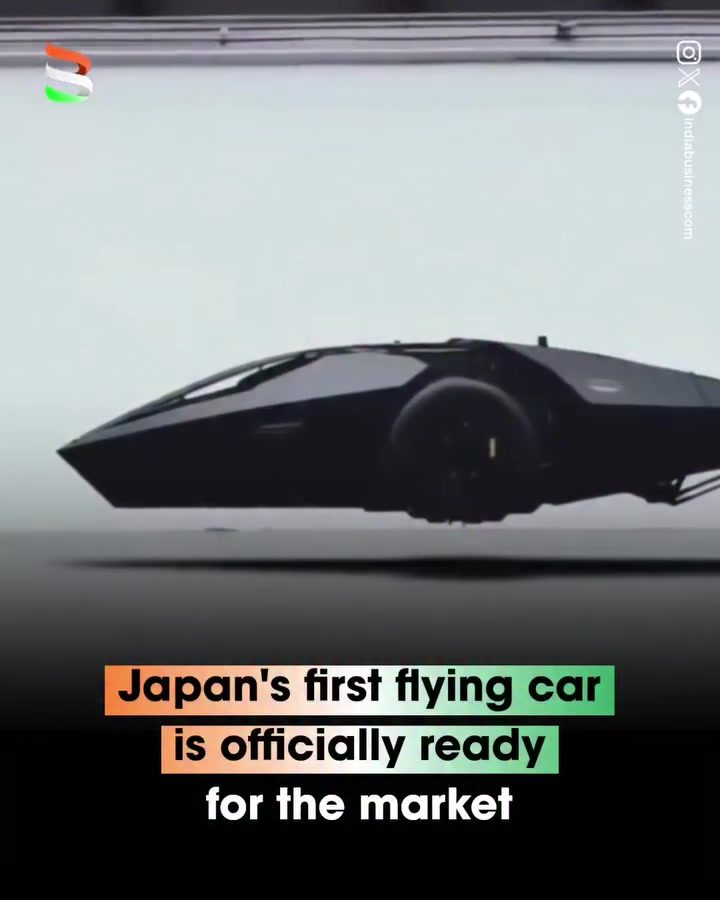
Japan's Flying Car: The Future of Mobility
Japan has developed its first flying car, marking a significant step in the evolution of transportation. This futuristic vehicle is not just a concept but is officially ready for the market, as indicated by recent developments. The flying car showcases a blend of cutting-edge technology and innovative design, with a Sony display featured prominently in its interior.
The Shift in Mobility
The flying car is more than just a novel idea; it represents a broader shift in how we think about mobility.
Cars are no longer being limited to road travel. Companies are increasingly focusing on electric mobility, autonomy, software, sensors, and the overall transport experience. This shift is driven by the realization that the future of transportation is not just about the physical vehicle but also about the software, user experience, and connected mobility layers that enhance it.
The Role of Tech Companies
Traditionally, the automotive industry has been dominated by established car manufacturers. However, tech companies are now entering this space, bringing with them a wealth of expertise in software, sensors, and user experience.
Take Sony, for example. Their official mobility bet, the Sony AFEELA, an electric car project in collaboration with Honda, is a prime example of how tech companies are redefining mobility. While Sony’s flying car claim should be treated with some caution until officially confirmed, it highlights the direction in which the industry is moving.
Key Features of the Flying Car
Futuristic Design
The flying car's design is a departure from traditional road vehicles. Its sleek, aerodynamic shape is not only visually appealing but also optimized for efficient flight. The exterior design features advanced materials and aerodynamic principles, making it both lightweight and durable.
Advanced Interior
The interior of the flying car is equally impressive. It features a Sony display, which serves as the central control hub for the vehicle. This display provides real-time navigation, vehicle diagnostics, and entertainment options, ensuring that the driver has all the necessary information at their fingertips.
Safety and Autonomy
Safety is a top priority in the design of the flying car. Advanced sensors and autonomous driving features ensure that the vehicle can navigate safely through various terrains and conditions. The car's software is designed to continuously monitor its environment and make real-time adjustments to ensure passenger safety.
Connectivity and User Experience
The flying car is not just about getting from point A to point B; it’s also about the overall user experience. The vehicle is equipped with advanced connectivity features, allowing passengers to stay connected while on the move. From in-car entertainment systems to real-time traffic updates, the flying car prioritizes user comfort and convenience.
Practical Tips for Future Flying Car Owners
While the flying car is still a concept, there are a few practical tips to consider for future owners:
Familiarize Yourself with the Technology
The flying car is a significant departure from traditional vehicles, and its technology can be overwhelming. Taking the time to familiarize yourself with the car's features and controls will ensure a smoother transition to this new mode of transportation.
Understand Safety Protocols
Flying cars come with their own set of safety protocols. Understanding these protocols and adhering to them will be crucial for safe operation. Regular safety checks and maintenance will also be essential to keep the flying car in optimal condition.
Stay Updated with Regulations
The regulatory landscape for flying cars is still evolving. Staying updated with the latest regulations and guidelines will ensure that you are compliant with all legal requirements.
Important Takeaways
The development of Japan's first flying car marks a significant milestone in the evolution of transportation. The vehicle's futuristic design, advanced features, and focus on user experience make it a compelling option for the future of mobility.
As tech companies continue to enter the automotive space, the role of software, user experience, and connectivity in transportation will only become more pronounced. This shift towards a more integrated and connected mobility ecosystem is the future of transportation.
Conclusion
The flying car is not just a futuristic concept; it’s a tangible reality that is already making waves in the transportation industry. With its advanced features, cutting-edge technology, and focus on user experience, the flying car is set to redefine how we think about mobility.
As we move towards a future where cars are no longer limited to road travel, the flying car represents a significant step forward. It’s a testament to the power of innovation and the potential of technology to transform our daily lives.
Watch the Reel
Questions readers ask
What makes Japan's flying car significant in the mobility sector?
Japan's flying car is significant because it is not just a concept but a market-ready vehicle, showcasing the country's advancement in cutting-edge technology and innovative design. The vehicle is also a part of a broader shift in how we think about mobility, extending beyond traditional road travel.
What role does Sony play in Japan's flying car development?
Sony's involvement in Japan's flying car is evident through its featured display in the vehicle's interior. This collaboration showcases Sony's contribution to the advancement of mobility technology, particularly in enhancing the user experience with electric vehicles and fly cars.
What is the significance of the flying car in the future of transportation?
Japan's flying car represents a paradigm shift in transportation, where cars are no longer confined to roads. It reflects the growing focus on electric mobility, autonomy, software, sensors, and the overall transport experience, indicating that the future of transportation is evolving towards more diverse and innovative solutions.
How does Japan's flying car incorporate innovative technology?
Japan's flying car incorporates innovative technology through its design, which includes electric mobility and autonomy features. Additionally, the car showcases a Sony display, highlighting the integration of advanced software, sensors, and user experience enhancements.
What are the key features that set Japan's flying car apart from traditional vehicles?
Japan's flying car stands out due to its electric mobility and autonomy, which are central to its design and operation. Other key features include the integration of advanced sensors, software, and the Sony display, all of which contribute to a modernized and enhanced user experience.
How does Japan's flying car reflect the future of mobility vehicles?
Japan's flying car reflects the future of mobility vehicles by incorporating electric power, autonomy, and a design that goes beyond traditional road travel. This shift in mobility emphasizes the importance of innovation in transportation, with a focus on user experience, software, and advanced technology.
In what ways does Japan's flying car contribute to the innovation in transportation?
Japan's flying car contributes to transportation innovation by pioneering flying car technology and electric mobility. The vehicle's design, which includes advanced features like Sony's display, autonomy, and advanced sensors, showcases Japan's leadership in mobility innovation and future transport solutions.
Related deep dives
Similar reads based on topic and creator.


Recent articles
Fresh deep dives from the latest Reels we unpacked.




Comments
Be the first to comment.