Urban Heat Solutions
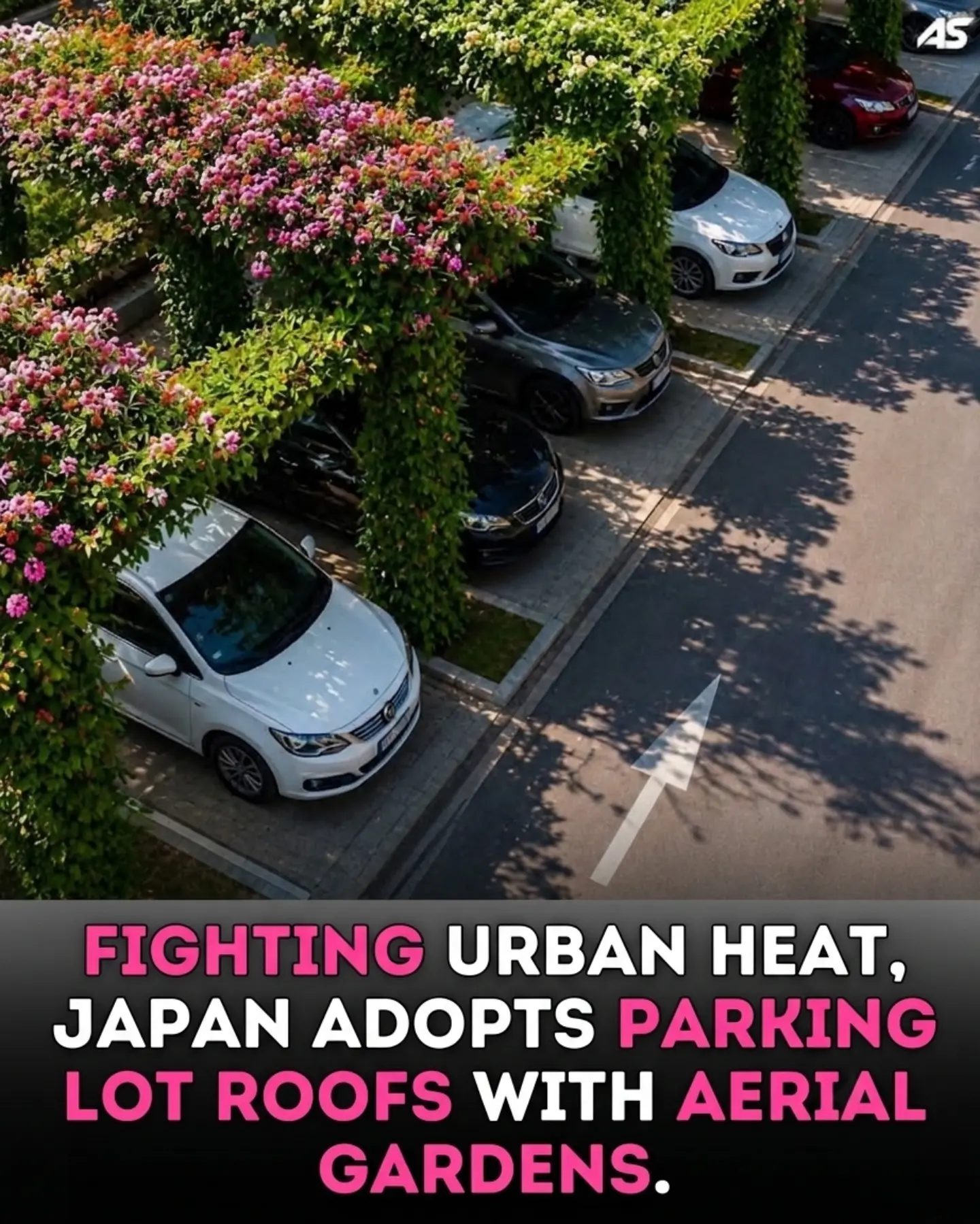
Urban heat is a significant challenge for cities worldwide, but innovative solutions are emerging to mitigate its effects. One such strategy gaining traction is the implementation of parking lot roofs with aerial gardens. Japan is at the forefront of this approach, adopting aerial gardens to combat urban heat and create more sustainable urban environments.
Context / Why this matters
Urban heat islands (UHIs) occur when cities experience significantly higher temperatures than their surrounding rural areas. This phenomenon is primarily due to the abundance of heat-absorbing materials like concrete and asphalt, as well as the lack of vegetation. The elevated temperatures can lead to various issues, including increased energy consumption for cooling, air pollution, and health risks for residents.
Parking lots, in particular, contribute to UHIs due to their large, expansive surfaces that absorb and radiate heat. By transforming these areas into green spaces, cities can effectively reduce surface temperatures, improve air quality, and enhance the overall livability of urban environments.
Main discussion
The Green Roof Revolution
Green roofs, also known as living roofs or vegetated roofs, involve covering building roofs with vegetation. This concept has been around for centuries, but recent advancements in technology and growing environmental concerns have spurred its widespread adoption. In Japan, this strategy has been extended to parking lots, creating vast aerial gardens that not only combat urban heat but also serve as recreational spaces and contribute to local biodiversity.
The aerial gardens on parking lot roofs in Japan are covered in a variety of vegetation, including flowers and greenery. This plant cover helps to absorb and reflect solar radiation, reducing the amount of heat absorbed by the underlying surfaces. Additionally, the plants release moisture through evapotranspiration, further cooling the surrounding air.
Benefits of Aerial Gardens
Temperature Reduction
One of the primary benefits of aerial gardens is their ability to lower surface temperatures. Studies have shown that green roofs can reduce roof surface temperatures by up to 80°F (27°C) compared to conventional roofs. This significant temperature difference contributes to a cooler urban environment, reducing the overall impact of UHIs.
Improved Air Quality
Vegetation on green roofs helps to filter out air pollutants, improving air quality in urban areas. Plants absorb carbon dioxide and release oxygen, mitigating the effects of urban emissions. Additionally, the increased vegetation can help reduce the concentration of particulate matter and other harmful pollutants in the air.
Enhanced Biodiversity
Aerial gardens provide habitats for various plant and animal species, contributing to urban biodiversity. These green spaces can support bees, birds, and other wildlife, fostering a more balanced and resilient ecosystem within the city. This increase in biodiversity can have positive effects on the urban environment, including improved pollination and pest control.
Energy Efficiency
By reducing the amount of solar radiation absorbed by building roofs, green roofs can decrease the need for air conditioning, leading to significant energy savings. Lower energy consumption translates to reduced greenhouse gas emissions and lower utility bills for building owners and residents.
Implementation and Maintenance
Implementing aerial gardens on parking lot roofs requires careful planning and consideration. The structural integrity of the roof must be assessed to ensure it can support the additional weight of the vegetation and growing medium. Additionally, proper irrigation and drainage systems must be in place to maintain the health of the plants.
Maintenance of aerial gardens involves regular watering, weeding, and pruning to ensure the plants remain healthy and the garden continues to function effectively. Some advanced systems may include automated irrigation and monitoring to minimize maintenance requirements.
Practical tips
For those interested in implementing aerial gardens, here are some practical tips to consider:
-
Assess Structural Integrity: Ensure that the roof can support the weight of the vegetation, growing medium, and any additional infrastructure.
-
Choose Suitable Plants: Select plants that are well-suited to the local climate and can thrive in the conditions offered by the green roof.
-
Install Proper Drainage: Adequate drainage is essential to prevent waterlogging and ensure the health of the plants.
-
Consider Irrigation Systems: Automatic irrigation systems can help maintain the garden with minimal manual intervention.
-
Engage Professionals: Consult with experts in green roof design and installation to ensure the project is executed correctly.
-
Regular Maintenance: Develop a maintenance plan that includes regular watering, weeding, and pruning to keep the garden healthy and functional.
Important takeaways
Aerial gardens on parking lot roofs represent a practical and effective solution for combating urban heat. By transforming these expansive surfaces into green spaces, cities can reduce surface temperatures, improve air quality, enhance biodiversity, and achieve significant energy savings. As more urban areas adopt this strategy, the overall livability and sustainability of cities will continue to improve.
These green solutions exemplify how innovative design and environmental stewardship can coexist in urban settings, creating a more balanced and resilient urban landscape.
Conclusion
Urban heat is a pressing concern, but innovative solutions like aerial gardens on parking lot roofs offer a promising pathway to cooler, greener cities. By implementing these strategies, urban areas can mitigate the effects of urban heat, improve air quality, and enhance the overall quality of life for residents. As more cities adopt these green initiatives, the future of urban living looks increasingly sustainable and vibrant.
Watch the Reel
Questions readers ask
What are green parking lot roofs and how do they help combat urban heat islands in Japan?
Green parking lot roofs, also known as aerial gardens, are roofing systems installed over parking lots that are covered with various types of vegetation. In Japan, these green roofs help mitigate urban heat by absorbing heat, reducing the amount of heat reflected from the parking lot and contributing to lower urban temperatures.
What are the benefits of using aerial gardens to mitigate urban heat in Japan?
Aerial gardens on parking lots in Japan offer several advantages, including improved air quality and recreational spaces. This green infrastructure helps absorb heat and reduce the amount of particulate matter. Additionally, being close to nature and spending time in these green spaces can improve mental health and provide a relaxing environment.
What are the primary causes of urban heat islands (UHIs) in cities like those in Japan?
Urban heat islands occur primarily due to the excessive use of heat-absorbing materials, such as concrete and asphalt, which are prevalent in urban infrastructure. The lack of vegetation in these areas also contributes to higher temperatures, as plants help to cool the environment through evaporation and shading.
How do aerial gardens on parking lots contribute to urban greening initiatives in Japan?
Aerial gardens on parking lots are a key component of Japan's urban greening initiatives. By transforming underutilized roof spaces into lush, green areas, these gardens increase the overall green space in urban environments, promoting biodiversity and enhancing the visual appeal of cityscapes.
What are the air quality benefits of implementing green parking lot roofs in Japan?
Green parking lot roofs in Japan help improve air quality by absorbing pollutants such as nitrogen oxides and particulate matter. The vegetation on these roofs filters the air, reducing the concentration of harmful substances and promoting cleaner, healthier urban environments.
What role does green infrastructure play in reducing urban temperatures in Japan?
Green infrastructure, such as aerial gardens on parking lots, plays a crucial role in reducing urban temperatures in Japan. By replacing heat-absorbing surfaces with vegetation, these green roofs absorb heat and release water vapor, creating a cooling effect that helps to lower the overall temperature of urban areas.
What are some other urban heat reduction techniques being explored in Japan?
In addition to green parking lot roofs, Japan is exploring various other urban heat reduction techniques. These include the use of reflective materials for rooftops and roads, the installation of green walls, and the implementation of urban forests and parks. These strategies work together to create a more sustainable and comfortable urban environment.
Related deep dives
Similar reads based on topic and creator.



Recent articles
Fresh deep dives from the latest Reels we unpacked.




Comments
Be the first to comment.