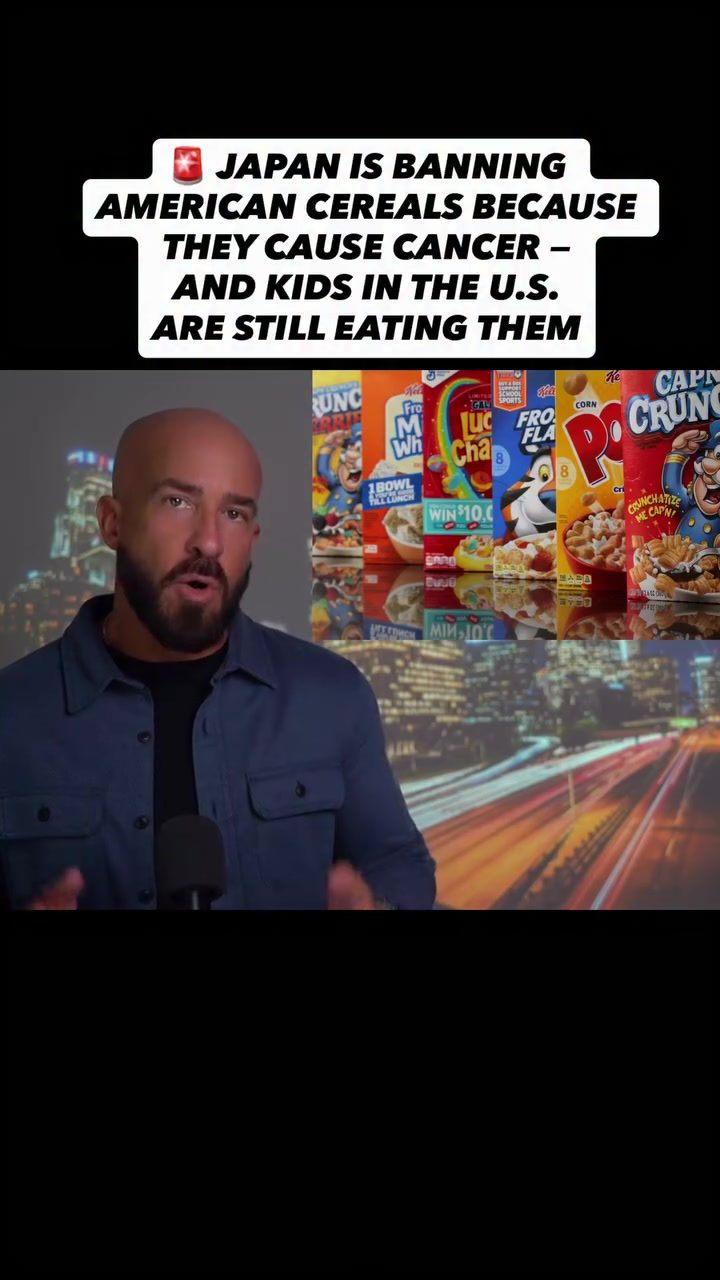
Japan's Ban on American Cereals
Japan is taking a hard stance against certain American cereals, banning them due to concerns over cancer risks. The controversy centers around the chemical Butylated Hydroxytoluene (BHT), a preservative and flavor enhancer found in some popular breakfast cereals. This move by Japan has sparked important questions about the safety of these foods, which remain widely available in the United States.
Why This Matters
The Japanese government has identified several American cereals, including Frosted Flakes, Rice Krispies, and Wheat Thins, as potentially carcinogenic. BHT, the chemical in question, is used to enhance the flavor and extend the shelf life of these products. While Japan considers BHT too dangerous to permit in their country and has taken action to ban it, these same cereals are still commonly found on American supermarket shelves. This discrepancy raises serious concerns about the safety of our food supply and the standards we use to regulate it.
The Role of BHT in Cereals
What is BHT?
BHT, or Butylated Hydroxytoluene, is a synthetic antioxidant commonly used as a preservative in food products. It's added to cereals, snacks, and other processed foods to prevent rancidity and extend shelf life. BHT is also found in cosmetics, pharmaceuticals, and even jet fuel, highlighting its versatility as a preservative. However, its widespread use in food products has raised concerns about its potential health risks.
Health Concerns
Japan's decision to ban cereals containing BHT is based on research indicating that the chemical may be carcinogenic. Studies have shown that BHT can cause cellular damage and may increase the risk of certain cancers. The Japanese government, known for its stringent food safety standards, has decided that the potential risks outweigh the benefits of using BHT in food products.
The Flavor Enhancer Debate
BHT is not just a preservative; it also acts as a flavor enhancer. In highly processed foods, BHT makes these products more palatable. However, Japan's stance suggests that there are better alternatives. The country's approach emphasizes the use of real, natural ingredients that provide genuine flavor and nutrition, rather than relying on synthetic additives like BHT.
Popular Cereals Under Scrutiny
Frosted Flakes
One of the cereals at the center of this controversy is Frosted Flakes. This popular breakfast cereal is enjoyed by many, but its inclusion of BHT has raised eyebrows. Japan's decision to ban it has highlighted the potential health risks associated with consuming this and other similar cereals.
Rice Krispies
Another cereal facing scrutiny is Rice Krispies. Like Frosted Flakes, Rice Krispies contains BHT, making it a target of Japan's ban. The cereal's popularity doesn't exempt it from the health concerns surrounding BHT, and consumers are now more aware of the potential risks.
Wheat Thins
Wheat Thins, a popular snack, is also on the list of banned products. As a processed food, Wheat Thins relies on preservatives like BHT to maintain its freshness and flavor. Japan's decision to ban it underscores the broader issue of synthetic additives in our food supply.
The Global Perspective
Japan's decision to ban these cereals is part of a broader trend. Many countries around the world have started to reject American foods due to concerns about their cancer-causing potential. While these products are still widely available in the United States, the global perspective is shifting towards greater scrutiny and regulation of food additives.
Practical Tips for Consumers
Checking Labels
One of the best ways to ensure that you're not consuming potentially harmful additives is to carefully read the ingredient labels on food products. If you see BHT listed, it might be a good idea to put the product back on the shelf and look for alternatives.
Opting for Natural Alternatives
Instead of relying on processed foods that contain synthetic preservatives, opt for natural, whole-food alternatives. Fresh fruits, vegetables, and whole grains provide the nutrients your body needs without the added risks of synthetic additives.
Supporting Regulatory Changes
As consumers, you have the power to advocate for better food safety standards. Support regulatory changes that demand stricter oversight of food additives and promote transparency in labeling. By doing so, you can help create a safer food environment for everyone.
Important Takeaways
Japan's decision to ban American cereals containing BHT highlights the potential risks associated with synthetic food additives. While these products remain widely available in the United States, it's crucial to be aware of the ingredients in the foods you consume. By reading labels carefully, opting for natural alternatives, and supporting regulatory changes, you can make more informed choices about the foods you and your family eat.
Conclusion
The debate over the safety of BHT in cereals is a wake-up call for consumers. As more countries like Japan take a stand against potentially harmful food additives, it's time to rethink our approach to processed foods. By being mindful of what we consume and advocating for stricter regulations, we can work towards a healthier, safer food environment for all.
Watch the Reel
Questions readers ask
Which specific American cereals are banned in Japan?
Japan has banned several popular American cereals, including Frosted Flakes, Rice Krispies, and Wheat Thins. The ban is due to the presence of Butylated Hydroxytoluene (BHT), a preservative that Japan considers potentially carcinogenic.
What is Butylated Hydroxytoluene (BHT) and why is it controversial?
Butylated Hydroxytoluene (BHT) is a chemical used in foods to enhance flavor and extend shelf life. Japan has banned it due to concerns over potential cancer risks, sparking an international debate on food safety and regulatory standards.
Why are these cereals still available in the United States?
The United States has different food safety regulations compared to Japan. The U.S. Food and Drug Administration (FDA) considers BHT generally recognized as safe (GRAS) under the conditions of its intended use, so these cereals remain widely available in the U.S.
What are the potential health risks associated with BHT?
BHT is a controversial ingredient because some studies suggest it may cause cancer and other health issues. Japan has taken a precautionary approach by banning foods containing BHT, while other countries have different standards regarding its use.
How does Japan's ban on American cereals reflect its food safety standards?
Japan's ban on American cereals containing BHT reflects its stringent food safety standards. The country has strict regulations to avoid health risks, and this ban is an example of Japan prioritizing consumer health and safety.
Why is there an international debate on food safety regarding BHT?
The debate arises from differing regulatory standards among countries. While Japan has banned BHT due to health concerns, other countries, including the U.S., still permit its use, leading to discussions about international food safety standards and the potential risks of BHT.
What other countries have restrictions on BHT similar to Japan?
While Japan's ban on BHT is notable, other countries also have restrictions on BHT. The European Union, for example, allows BHT but has strict limits on its use in food products. The specific regulations vary by country, reflecting different approaches to food safety.
Related deep dives
Similar reads based on topic and creator.


Recent articles
Fresh deep dives from the latest Reels we unpacked.




Comments
Be the first to comment.