Japan Airlines' CEO Cut His Salary and Changed His Lifestyle to Save the Airline
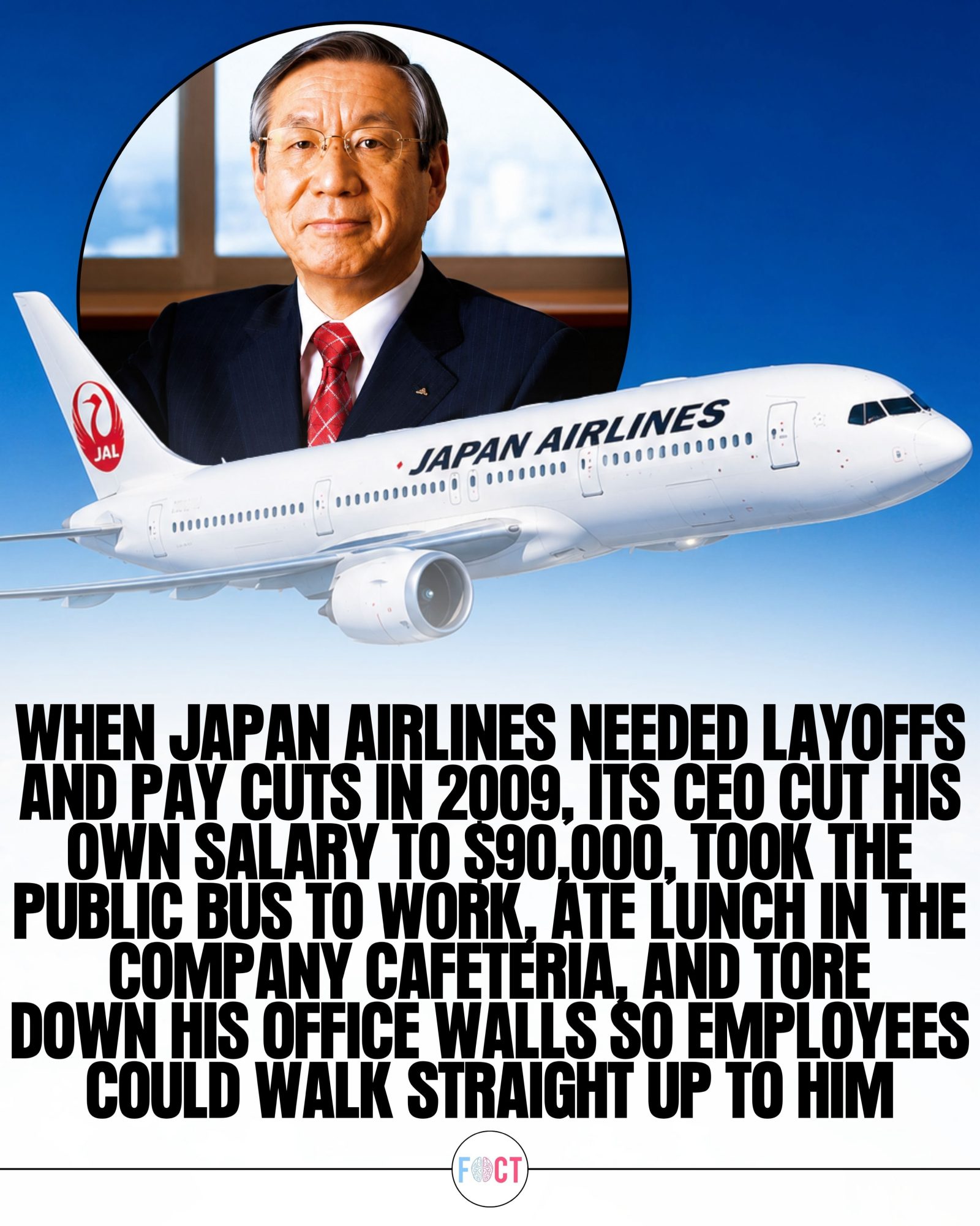
In 2009, Japan Airlines (JAL) faced a severe financial crisis, necessitating drastic measures to ensure its survival. During this tumultuous period, the airline's CEO, Haruka Nishimatsu, demonstrated remarkable leadership by taking significant pay cuts and making personal sacrifices, setting an example for the entire organization.
Why This Matters
Nishimatsu’s actions during this critical period highlight the importance of leadership in times of crisis. His decisions not only helped stabilize the company financially but also boosted employee morale and trust. Understanding the significance of his actions provides valuable insights into corporate leadership and crisis management.
The 2009 Financial Crisis and JAL's Response
Japan Airlines faced one of the worst financial stretches in its history during the 2009 industry-wide downturn. The airline, once a powerhouse in the aviation sector, found itself in dire need of cost-cutting measures. Rather than imposing cuts solely on employees, Nishimatsu, the newly appointed CEO, took the lead by slashing his own salary.
A Drastic Pay Cut
Nishimatsu reduced his annual salary to a modest $90,000, a significant drop from his previous earnings. This drastic measure was not just symbolic; it sent a clear message to the employees and stakeholders that the CEO was willing to share the burden of the financial crisis.
Public Transportation and Company Cafeteria
The CEO also made significant changes to his lifestyle to align with the company's cost-cutting measures. Instead of traveling in a chauffeured car, Nishimatsu opted for public transportation, taking the bus to work. This change was not merely about saving money—it was a visible demonstration of his commitment to austerity. Similarly, he ate lunch in the company cafeteria with other employees, forgoing the private executive dining room.
Office Accessibility
Nishimatsu further signaled his commitment to open communication and accessibility by tearing down the walls of his office. By doing so, employees could walk directly up to his desk without going through an assistant or a closed door. This move fostered a more open and approachable environment, encouraging open dialogue and trust within the company.
Practical Tips from Nishimatsu's Leadership in Crisis
Lead by Example
One of the most effective ways to inspire your team during tough times is to lead by example. Nishimatsu's decision to cut his own salary and adopt a more modest lifestyle sent a powerful message to his employees. When leaders show they are willing to make personal sacrifices for the greater good, it can boost morale and encourage similar sacrifices from others.
Foster Open Communication
In times of crisis, maintaining open lines of communication is crucial. Nishimatsu's decision to tear down his office walls and make himself more accessible was a practical step toward fostering a culture of transparency and trust. This approach can help employees feel valued and heard, even during difficult periods.
Embrace Simplicity
The airline’s CEO chose to embrace a simpler lifestyle by opting for public transportation and cafeteria meals. This decision not only saved costs but also sent a message about the importance of simplicity and frugality. Such changes can inspire employees to adopt similar cost-saving behaviors, contributing to the overall financial health of the organization.
Important Takeaways
Leadership in Crisis
Nishimatsu's actions underscore the importance of strong leadership during a financial crisis. By taking on significant personal sacrifices, he demonstrated a commitment to the organization's well-being and set an example for all employees. Effective leadership during tough times can inspire confidence and loyalty, helping to navigate the crisis more smoothly.
The Power of Personal Sacrifice
Nishimatsu’s decision to cut his salary and make lifestyle changes showed that personal sacrifices can have a profound impact on an organization. When leaders are willing to share the burden, it can foster a sense of unity and collective responsibility among employees.
Communication and Accessibility
Open communication and accessibility are crucial during challenging times. By making himself more approachable, Nishimatsu encouraged a culture of transparency and trust, which can be invaluable in maintaining employee morale and productivity.
Conclusion
The story of Japan Airlines' CEO, Haruka Nishimatsu, during the 2009 financial crisis provides a compelling example of leadership in action. His decisions to cut his salary, adopt a simpler lifestyle, and enhance accessibility sent powerful messages to the employees and stakeholders. These actions not only helped stabilize the company but also set a precedent for how leaders can navigate crises effectively. By leading by example, fostering open communication, and embracing simplicity, Nishimatsu showcased the qualities of a true leader, making a lasting impact on Japan Airlines and its employees.
Watch the Reel
Questions readers ask
Why did Japan Airlines' CEO, Haruka Nishimatsu, cut his salary during the 2009 financial crisis?
Nishimatsu cut his salary to set an example for the rest of the company and to demonstrate a commitment to shared sacrifice. His actions aimed to boost employee morale and instill trust, showing that everyone needed to contribute to the airline's survival.
What changes did Nishimatsu make to his lifestyle during the crisis?
While specific lifestyle changes are not detailed, his decision to take significant pay cuts indicates a broader change in his lifestyle, aligning it with the sacrifices expected from the rest of the organization. This shift underscored his commitment to transparent and empathetic leadership.
How did Nishimatsu's actions impact Japan Airlines' employees?
Nishimatsu's leadership during the 2009 financial crisis boosted employee morale by demonstrating a commitment to shared sacrifice and transparent leadership. This approach fostered a sense of trust and unity among employees, helping to stabilize the company.
What can other leaders learn from Nishimatsu's approach to crisis management?
Nishimatsu's approach highlights the importance of leading by example, especially during crises. By making personal sacrifices and maintaining transparency, leaders can inspire their teams and foster a culture of unity and resilience.
How did Nishimatsu's leadership style reflect Japanese business culture?
Nishimatsu's actions reflect key aspects of Japanese business culture, including the importance of shared sacrifice and collective responsibility. His leadership style emphasized the well-being of the group over individual interests, which is a common theme in Japanese corporate culture.
What impact did Nishimatsu’s salary cut have on Japan Airlines' financial situation?
His salary cut was a symbolic move that signaled the need for collective sacrifice. While the direct financial impact may not have been substantial alone, it sent a clear message to stakeholders and employees about the severity of the situation, helping to garner support and cooperation.
Recent articles
Fresh deep dives from the latest Reels we unpacked.




Comments
Be the first to comment.