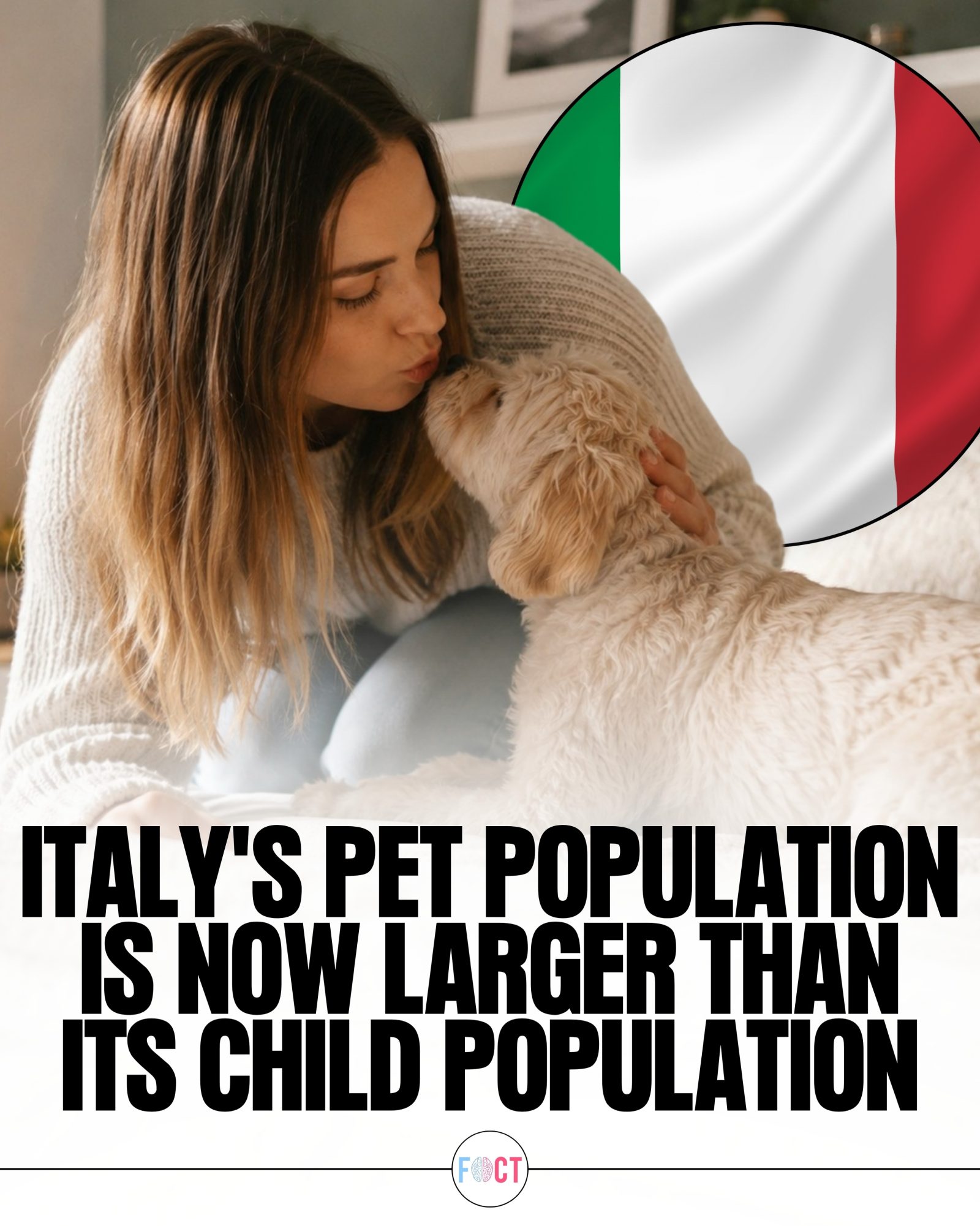
Pet Population in Italy
Italy's pet population has surged to unprecedented levels, outnumbering the country's child population. This shift reflects a broader cultural and demographic transformation, driven by various socio-economic factors. Let's delve into the numbers, the reasons behind this trend, and its implications for Italian society.
Context/Why this matters
Italy's pet population now stands at approximately 53.6 million, a staggering figure that includes over 25 million fish, 11 million cats, and 9.1 million dogs. In contrast, the number of children under 15 is around 7.6 million, comprising just 12.89 percent of the nearly 59 million people in Italy. This demographic shift is not just a numerical oddity but a sign of deeper changes in Italian society.
Main discussion
The Numbers
The Italian pet industry association, Assalco, provides insightful data on the pet population in Italy. The country is home to a vast array of pets, with fish being the most numerous, followed by cats and dogs. Dogs, in particular, have seen a significant rise in ownership, with 9.1 million dogs now residing in Italian households. This trend is even more pronounced when compared to the declining birth rates in Italy, which have fallen to around 393,000 per year, the lowest in the country's history.
Economic and Social Factors
Several economic and social factors contribute to this trend. Economic instability, coupled with high housing costs, has made raising a family more challenging for many young Italians. As a result, more people are opting to invest their time and resources into pet ownership, which offers companionship without the long-term financial and emotional commitments of parenthood. Additionally, lifestyle preferences and the societal acceptance of pets as family members have further fueled this trend.
The Cost of Living
The cost of living in Italy, particularly in urban areas, has skyrocketed over the years. High rents and the overall cost of living make it difficult for many young couples to afford a family. Pets, on the other hand, offer a more manageable financial commitment and provide emotional support in a high-stress environment.
Lifestyle Preferences
Many young Italians are drawn to the lifestyle that pet ownership offers. Pets provide companionship, a sense of routine, and emotional fulfillment without the same level of responsibility and commitment required for raising children. This shift is evident in the rise of pet-friendly establishments, such as restaurants and cafes, which cater to individuals and families who prioritize their pets' comfort and well-being.
Practical tips
For those considering pet ownership in Italy, here are some practical tips to ensure a smooth transition and a fulfilling experience:
Choosing the Right Pet
Different pets have different needs, so it's essential to choose a pet that fits your lifestyle. Fish, for example, require less space and attention than dogs or cats, making them suitable for those with busy schedules. Dogs, on the other hand, offer companionship and require more engagement, making them ideal for individuals or families with the time and resources to invest in their care.
Financial Planning
Pet ownership comes with financial responsibilities. Ensure you have a budget for food, vet visits, grooming, and other necessary expenses. It's also a good idea to have a financial cushion for unexpected medical costs. Financial planning can help you manage these expenses without compromising your overall financial stability.
Creating a Pet-Friendly Home
Whether you choose a dog, cat, or fish, creating a pet-friendly home environment is crucial. This includes providing a safe space, appropriate food and water bowls, comfortable bedding, and toys. For dogs and cats, ensure your home is free of hazardous items and that they have enough room to move around.
Social and Emotional Support
Pets offer more than just companionship; they provide emotional and social support. Invest time in building a strong bond with your pet, engaging in playtime, and providing the necessary care. This emotional connection can significantly enhance your overall well-being and happiness.
Important takeaways
The growing pet population in Italy is a multifaceted issue driven by economic, social, and lifestyle factors. This trend reflects a broader cultural shift, where pets are increasingly seen as integral family members. The implications of this shift are vast, affecting everything from real estate to the pet care industry. Understanding these dynamics can help individuals make informed decisions about pet ownership and the broader societal implications.
Conclusion
The significant rise in Italy's pet population, now surpassing its child population, underscores a profound cultural and socio-economic transformation. Factors such as economic instability, high housing costs, and shifting lifestyle preferences have driven young Italians to embrace pet ownership as an alternative to parenthood. This trend is evident in the growing number of pet-friendly establishments and the overall acceptance of pets as cherished family members. As this trend continues, it will undoubtedly shape Italy's social landscape, offering unique opportunities and challenges for both individuals and society as a whole. Whether you're already a pet owner or considering becoming one, understanding these dynamics can help you navigate the world of pet ownership in modern Italy.
Watch the Reel
Questions readers ask
How does Italy's pet population compare to its human population?
As of now, Italy's pet population is approximately 53.6 million, which is larger than the population of children under 15, which is around 7.6 million. This makes pets a significant part of Italy's total population, which is nearly 59 million people.
What types of pets are most common in Italy?
The most common pets in Italy are fish, with over 25 million, followed by cats at 11 million, and dogs at 9.1 million. These numbers highlight the diversity in pet ownership across the country.
What factors are driving the increase in pet ownership in Italy?
Several factors are contributing to this trend, including economic instability, high housing costs, and changing lifestyle preferences. Many Italians are opting for pets over parenthood due to these socio-economic challenges.
How does the increase in pet ownership reflect changes in Italian society?
The rise in pet ownership mirrors broader shifts in Italian society, indicating a preference for smaller, more manageable familial structures. Pets offer companionship without the long-term commitments and financial demands of raising children.
What implications does this trend have for Italian society?
This trend could influence various aspects of Italian society, from housing policies to healthcare services. It may also affect consumer spending, as pet care becomes a more significant market. Additionally, it reflects a cultural shift towards valuing different forms of family and companionship.
Are there regional differences in pet ownership across Italy?
While the article does not provide specific regional data, it is likely that there are regional variations in pet ownership due to differences in economic conditions, urbanization, and cultural norms. Urban areas, for example, might have higher pet ownership rates due to smaller living spaces and different lifestyle choices.
How has the Italian government responded to the increase in pet ownership?
The article does not detail government responses, but it is plausible that policies related to pet ownership, such as regulations on pet adoption, animal welfare, and public spaces for pets, may evolve in response to this demographic shift. Changes in taxation or benefits related to pet ownership could also be considered.
Related deep dives
Similar reads based on topic and creator.

Recent articles
Fresh deep dives from the latest Reels we unpacked.




Comments
Be the first to comment.