Pizza and Italian Health
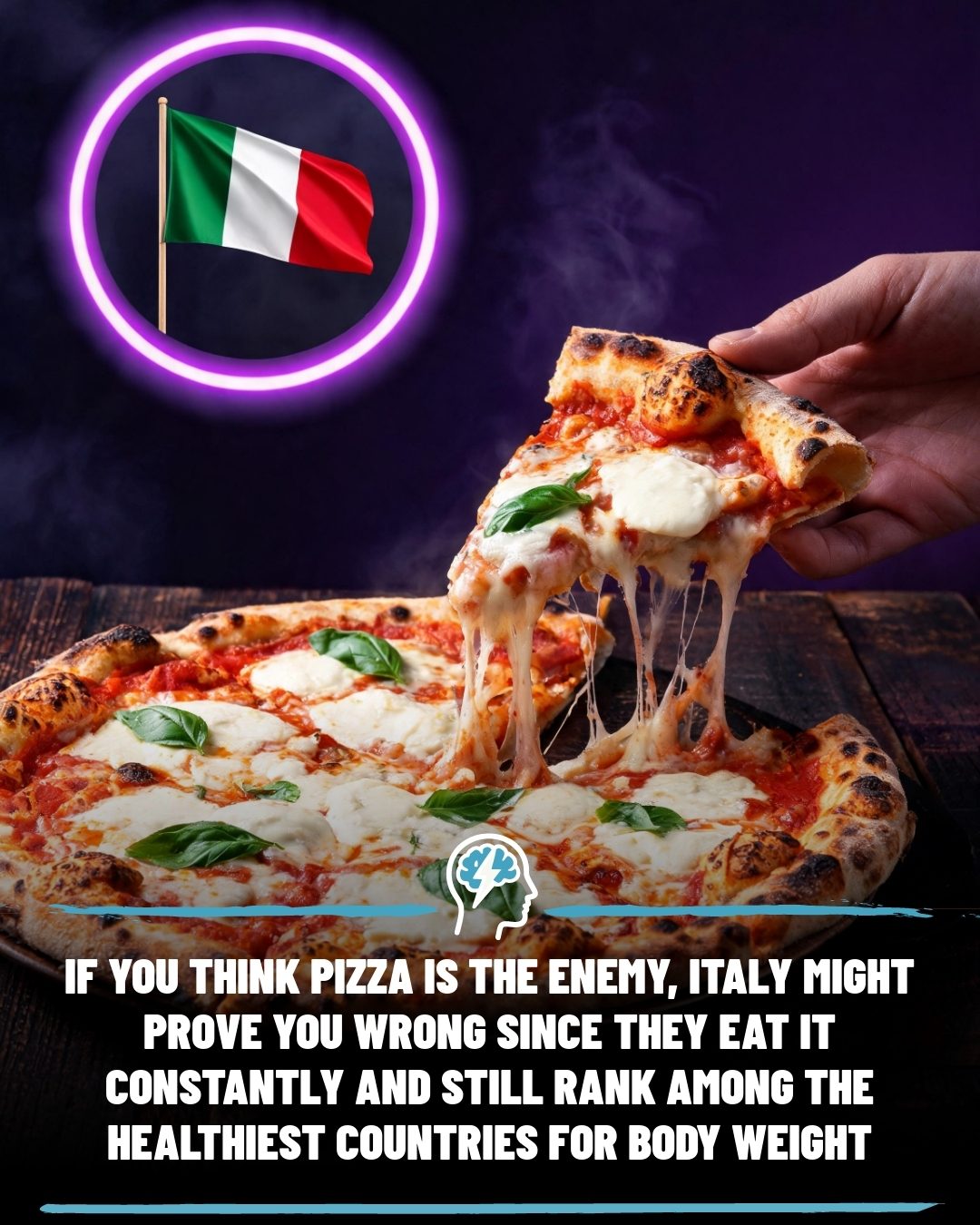
Pizza is often enjoyed worldwide, but it's frequently perceived as an unhealthy indulgence. However, Italy, where pizza is a staple food, consistently ranks among the healthiest countries in terms of body weight. This paradox raises intriguing questions about the role of pizza in a balanced diet and the overall lifestyle factors that contribute to health.
Why This Matters
Understanding how Italian pizza and dietary habits contribute to a healthier lifestyle can provide valuable insights for pizza lovers everywhere. By examining the key differences between traditional Italian pizza and fast-food pizza, as well as the broader lifestyle factors, we can see how a beloved food can fit into a balanced and healthy diet.
Pizza Ingredients
The first major difference lies in the ingredients used. Traditional Italian pizza and fast-food pizza come from very different playbooks. Key ingredients in Italian pizza include:
Dough
Dough that ferments longer is easier to digest. This fermentation process not only enhances the flavor but also makes the pizza more digestible, reducing the likelihood of bloating and discomfort.
Fresh Vegetables and Lean Proteins
Italians often use a variety of fresh vegetables and lean proteins in their pizzas. These ingredients are not only more nutritious but also add a burst of flavors that make the pizza more satisfying.
San Marzano Tomatoes
San Marzano tomatoes are a staple in Italian pizza. These tomatoes are known for their sweet, less acidic flavor, making them a healthier alternative to the standard jarred tomatoes that often contain added sugars.
Fresh Mozzarella
Fresh mozzarella, another key ingredient, is known for its rich, creamy texture and milder flavor compared to processed mozzarella. The lack of added sugars in fresh mozzarella makes it a healthier choice.
Olive Oil
Olive oil, particularly extra virgin olive oil, is a cornerstone of Italian cuisine. Rich in healthy fats, it adds a depth of flavor without the unhealthy saturated fats found in many other oils. The Mediterranean diet, which heavily features olive oil, is known for its numerous health benefits, including improved heart health and better weight management.
Lifestyle Factors
In Italy, enjoying a pizza is more than just a meal; it's an experience. This experience includes several lifestyle factors that contribute to overall health.
Portion Sizes
A key difference is portion size. In Italy, a pizza is usually a single, thin-crust pie meant for one person. This smaller portion size helps prevent overconsumption, which is a common issue in other countries.
Eating Habits
In Italy, eating a pizza is not typically a rushed affair. People eat slowly, savoring each bite and taking the time to notice when they are full. This mindful eating habit can help prevent overeating and promote better digestion.
Post-Meal Activity
After dinner, many Italians take a leisurely walk. This habit promotes digestion, aids in metabolism, and helps maintain steady blood sugar levels. This simple post-meal activity can have a significant impact on overall health.
Cooking Techniques
Cooking techniques also play a role. Traditional Italian pizza is often cooked in wood-fired ovens, which can enhance flavors and nutrient retention. This method, combined with fresh, high-quality ingredients, creates a healthier pizza compared to mass-produced fast-food pizzas.
Cultural Approach
The cultural approach to food is also crucial. Italians tend to view food as a social and pleasurable experience, rather than a source of stress or guilt. This mindset can lead to healthier eating habits and a more balanced lifestyle.
Practical Tips
Incorporating Italian pizza habits into your routine can be a delicious and healthy way to enjoy this beloved dish. Here are some practical tips to help you get started:
Choose Whole, Seasonal Foods
Whenever possible, opt for whole, seasonal foods. These foods are fresher, more nutritious, and generally more flavorful. Seasonal foods are also more likely to be locally sourced, reducing the environmental impact of your meal.
Cook with Good Fats
Use good fats, such as extra virgin olive oil, in your cooking. These fats are healthier and can enhance the flavor of your dishes. They also provide essential nutrients that support overall health.
Eat Mindfully
Eat slowly and mindfully, paying attention to your body's signals of fullness. This can help prevent overeating and promote better digestion. Enjoying your food in a relaxed setting can also enhance your overall dining experience.
Opt for Fresh Ingredients
Choose fresh ingredients over processed ones. Fresh vegetables, lean proteins, and quality cheeses can significantly enhance the taste and nutritional value of your pizza.
Post-Meal Activity
Incorporate a short walk after your meal. This simple habit can aid in digestion, improve metabolism, and help maintain steady blood sugar levels.
Important Takeaways
The relationship between pizza and Italian health highlights the importance of context and lifestyle. It's not just about the food but how it is prepared, consumed, and integrated into daily life. Here are the key takeaways:
- Pizza can be part of a balanced and healthy diet, especially when made with fresh, high-quality ingredients.
- Portion sizes, cooking methods, and post-meal activities all play a crucial role in health outcomes.
- A mindful, relaxed approach to eating can enhance the overall dining experience and promote better health.
Conclusion
Pizza, when prepared and consumed in the traditional Italian style, can be a part of a healthy and balanced diet. The key lies in the ingredients, portion sizes, and lifestyle habits that accompany the meal. By adopting some of these Italian habits, pizza lovers can enjoy their favorite food without compromising their health. So, the next time you indulge in a slice of pizza, remember that it's not just about the pizza itself, but the entire experience that surrounds it.
Watch the Reel
Questions readers ask
Why is pizza in Italy often considered healthier than in other countries?
Italian pizza is typically healthier due to the emphasis on fresh, wholesome ingredients. Italians often use lean proteins, fresh vegetables, and high-quality dairy, which contribute to a more balanced diet. Additionally, portion control and the use of healthier toppings are important factors.
What are some common ingredients found on healthier Italian pizzas?
Traditional Italian pizzas often feature healthy toppings such as fresh vegetables like tomatoes, bell peppers, and olives. Lean proteins like chicken, shrimp, or anchovies are common, as well as high-quality cheeses and a variety of herbs and spices. Olive oil is also a preferred choice for the pizza base.
How does the Italian pizza crust contribute to a healthier diet?
Italian pizza crusts are generally made with higher-quality flours and less sugar. Some pizza crusts in Italy are made with whole wheat flour, which adds fiber and nutrients. Additionally, many Italian pizza crusts are thin and crispy, which means fewer calories and carbohydrates per serving.
What role does olive oil play in Italian pizza and health?
Olive oil is a staple in Italian pizza, particularly in the dough and as a base for sauces. It is rich in monounsaturated fats, which are beneficial for heart health. Using olive oil instead of processed fats can make pizza a healthier choice, aligning with the Mediterranean diet principles.
How do Italians incorporate pizza into a balanced diet?
Italian pizza is often enjoyed in moderation, accompanied by a variety of other nutritious foods. Meals may include salads, fruits, and other vegetable dishes. Additionally, Italians typically engage in regular physical activity, which helps maintain a healthy lifestyle overall.
Are there any tips for making pizza healthier at home?
To make pizza healthier at home, focus on using fresh, whole ingredients similar to traditional Italian pizzas. Opt for a thin, whole wheat crust, load up on fresh vegetables, choose lean proteins, and use olive oil. Avoid processed meats and excessive cheese to keep the calorie count in check.
How does the overall Italian lifestyle contribute to staying healthy while eating pizza?
The Italian lifestyle emphasizes balance, portion control, and regular physical activity. Pizzas are often enjoyed as part of a larger meal that includes a variety of fresh foods, and are eaten mindfully. Furthermore, Italians typically walk more and engage in regular exercise, which complements a diet that includes pizza.
Related deep dives
Similar reads based on topic and creator.



Recent articles
Fresh deep dives from the latest Reels we unpacked.




Comments
Be the first to comment.