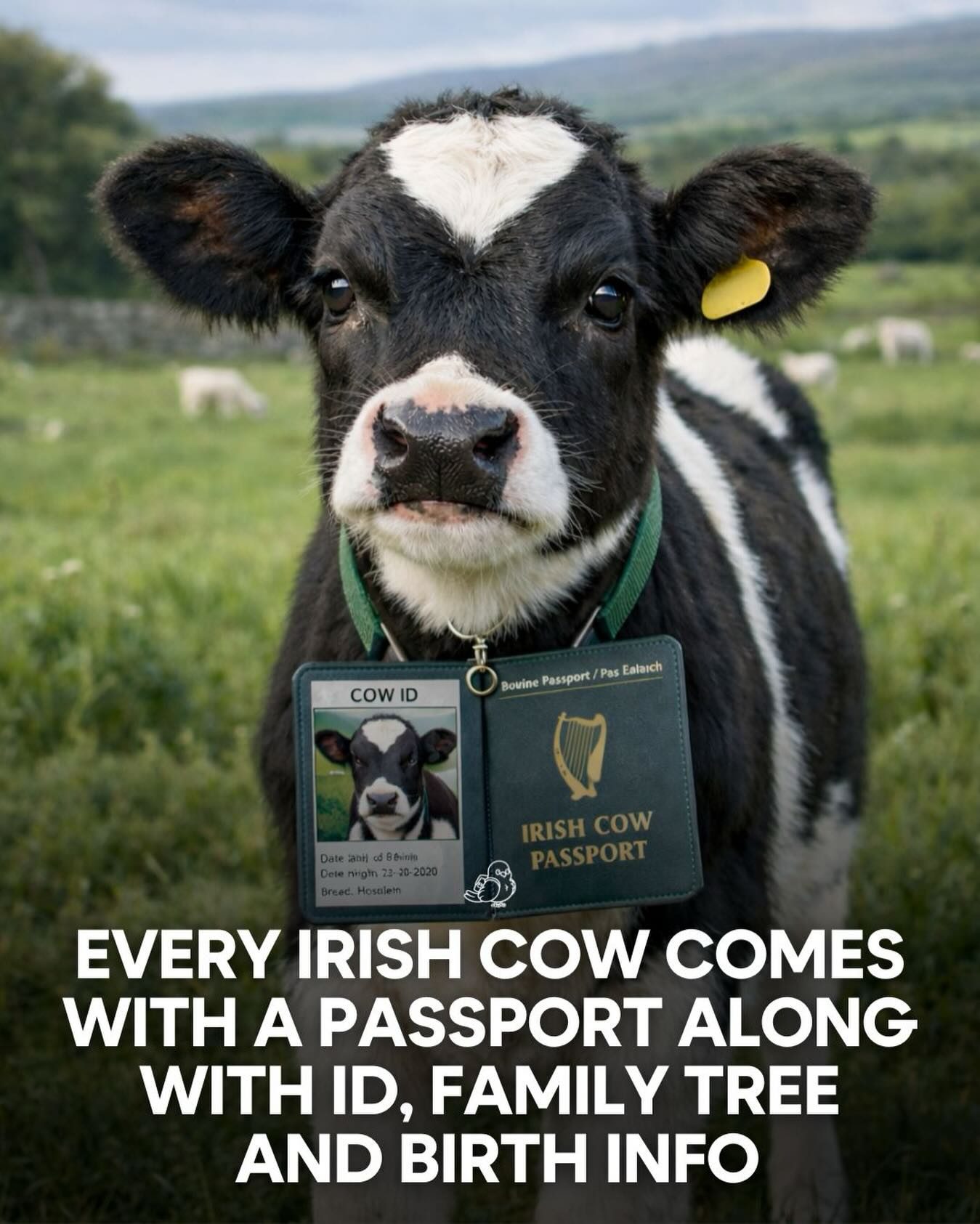
Irish Cow Passports: A Comprehensive Guide
Irish cow passports are an essential component of Ireland's animal management system. These passports, known as "Bovine Passports" or "Pas Ealaich," are more than just symbolic; they play a crucial role in ensuring food safety, animal welfare, and disease control. Here’s a detailed look into the importance and function of these passports.
Context: Why This Matters
Cow passports are not unique to Ireland, but the system is particularly robust and well-regulated in the country. Understanding the significance of these passports helps shed light on Ireland's commitment to maintaining high standards in animal husbandry and food production. This system ensures that every cow's life journey is fully traceable, from birth to export, which is critical for both domestic and international trade.
Importance of Traceability
Traceability is a key aspect of modern animal husbandry. It allows farmers, veterinarians, and regulatory bodies to track the movement of animals, monitor their health, and ensure that any potential disease outbreaks can be contained quickly. In Ireland, the passports play a pivotal role in this system. They contain critical information about each cow, including its date of birth, breed, and herd of origin—they are updated whenever the animal is moved, sold, or exported.
Understanding the Cow Passport
What Information is Recorded?
Each Irish cow passport contains several key pieces of information:
- Unique ID Number: A unique identifier assigned to each calf shortly after birth.
- Ear Tags: Physical tags attached to the cow's ears, corresponding to the ID number.
- Bovine Passport: A document that includes details about the cow's birth date, breed, herd of origin, and ownership.
- Family Tree Information: Basic pedigree information is included in the passport, while detailed pedigrees are kept separately in breeding records.
The Bovine Passport Process
The process of issuing a bovine passport begins shortly after a calf's birth. Here’s a step-by-step breakdown:
- Birth and Registration: Shortly after birth, each calf is assigned a unique ID number and fitted with ear tags.
- Passport Issuance: A passport-style document is created, containing the calf's ID, birth date, breed, and herd of origin.
- Updates and Movement: The passport is updated whenever the animal is moved, sold, or exported. This ensures that the record is always current and accurate.
- Digital and Physical Records: While the passport itself is a physical document, digital records are also maintained for easier access and management.
The Role of Animal Traceability Laws
Ireland’s strict animal traceability laws are designed to protect food safety, animal welfare, and disease control. These laws mandate that every cow must have a passport, and the information contained within must be accurate and up-to-date. This system helps ensure that:
- Food Safety: Consumers can be confident that the meat they are consuming comes from animals that have been properly managed and monitored.
- Animal Welfare: The health and well-being of animals are prioritized, reducing the risk of disease and ensuring humane treatment.
- Disease Control: Any potential disease outbreaks can be quickly traced and contained, minimizing the impact on both animals and humans.
Practical Tips for Farmers and Animal Husbandry Professionals
If you are involved in animal husbandry or farming, here are some practical tips to keep in mind when dealing with cow passports:
Keeping Records Updated
Regularly update the passport and digital records whenever a cow is moved, sold, or exported. This ensures that the information is always current and accurate. Accurate records are crucial for complying with regulations and maintaining traceability.
Ensuring Compliance
Make sure that all cows on your farm have the necessary ear tags and passports. Regularly check the passports to ensure they are up-to-date and that the information is accurate. This not only helps with compliance but also ensures the health and safety of your herd.
Utilizing Digital Tools
Leverage digital tools and software designed for farm management. These tools can help you keep track of your animals, update passports, and manage records more efficiently. Many digital systems can also integrate with regulatory databases, making compliance easier and more streamlined.
Training and Awareness
Ensure that all farm staff are properly trained on the importance of cow passports and the correct procedures for updating and maintaining them. Regular training sessions and updates can help keep everyone informed and compliant.
Communicating with Buyers and Sellers
When buying or selling cows, clearly communicate the importance of the passport and the need for accurate records. This can help build trust and ensure that all parties are aware of their responsibilities.
Important Takeaways
The system of Irish cow passports is a vital component of the country's animal management strategy. By ensuring that every cow has a fully traceable life journey, Ireland can maintain high standards of food safety, animal welfare, and disease control. For farmers and animal husbandry professionals, understanding and adhering to these systems is essential for compliance and ensuring the well-being of their livestock.
Conclusion
Irish cow passports are more than just documents; they are a cornerstone of the country's animal management and food production systems. By providing a comprehensive record of each cow's life journey, these passports help ensure food safety, animal welfare, and disease control. Whether you are a farmer, a veterinarian, or simply interested in animal husbandry, understanding the importance of these passports can provide valuable insights into modern animal management practices.
Watch the Reel
Questions readers ask
What is an Irish Cow Passport, and why is it important?
An Irish Cow Passport, also known as a Bovine Passport or Pas Ealaich, is an official document issued to every cow in Ireland. It is important because it ensures the traceability of each cow's life journey, from birth to export, helping to maintain high standards in animal husbandry and food production, as well as aiding in disease control.
When is a cow passport issued, and what information does it contain?
A cow passport is issued from the moment of birth. It contains detailed records of the cow's life, including breed, date of birth, and any movements or changes in ownership. This information is crucial for tracking the cow's journey and ensuring its health and safety.
How does the Irish Cow Passport system support food safety?
The Irish Cow Passport system supports food safety by enabling full traceability of each cow's life journey. This allows for quick identification and management of any health issues, ensuring that only safe and healthy products enter the food chain. Additionally, it helps maintain the integrity of Ireland's food production standards.
What happens to a cow's passport when it is exported?
When a cow is exported, its passport travels with it, ensuring that the cow's life records remain intact and traceable. The passport provides essential information to the receiving country, aiding in their animal husbandry and disease control efforts, and maintaining the standards of Ireland's livestock exports.
How do Irish Cow Passports aid in disease control?
Irish Cow Passports aid in disease control by providing a comprehensive record of each cow's movements and any health issues. This traceability allows for quick identification and containment of diseases, preventing potential outbreaks and ensuring the health of both the national herd and the wider food supply.
Recent articles
Fresh deep dives from the latest Reels we unpacked.




Comments
Be the first to comment.