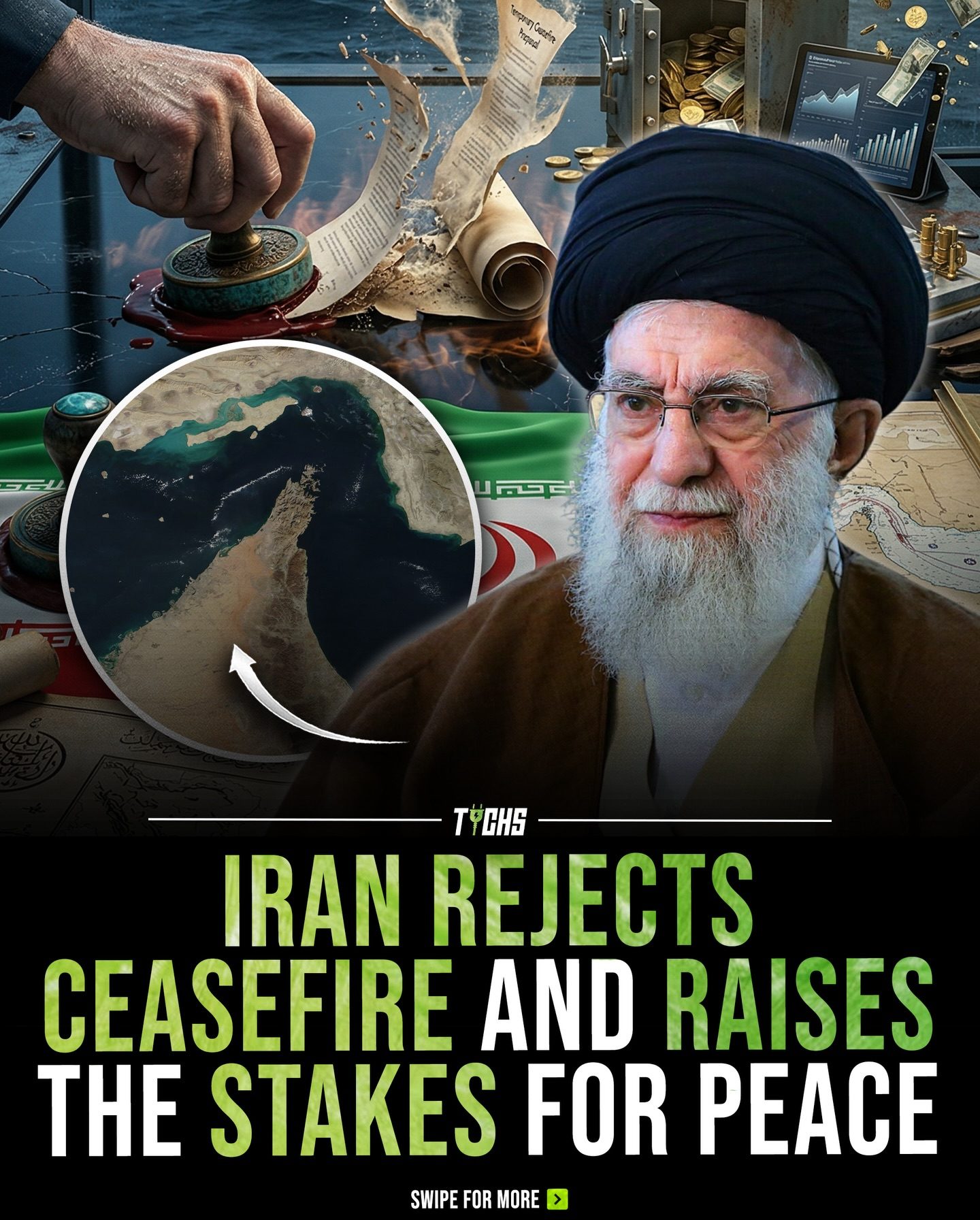
Iran's Ceasefire Rejection: Raising the Stakes for Peace
Iran has rejected a temporary ceasefire, shifting the dynamics of the ongoing conflict and raising the stakes for any potential peace deal. This move comes with a set of demands that go beyond immediate truce, including sanctions relief, reconstruction support, and new rules for the Strait of Hormuz. The geopolitical landscape is evolving, with deeper tensions and uncertainty ahead as negotiations continue.
Understanding the Context
The rejection of a ceasefire by Iran signals a significant shift in the country's approach to the conflict. Instead of seeking a short-term truce, Iran is pushing for a permanent end to hostilities. This change in strategy indicates a long-term perspective, focusing on strategic conditions rather than immediate relief. The demands made by Iran include not only an end to the conflict but also substantial economic and political concessions. These demands highlight the complexities and sensitivities of the ongoing negotiations.
Iran's Demands
Iran's response to the proposed ceasefire is multifaceted, encompassing several key areas:
Permanent End to Conflict
One of the primary demands is for a permanent end to the conflict. This indicates that Iran is seeking a comprehensive resolution rather than a temporary pause in hostilities. By pushing for a permanent solution, Iran aims to address the root causes of the conflict and ensure lasting peace in the region.
Sanctions Relief
Another critical demand is the lifting of economic sanctions. Sanctions have had a significant impact on Iran's economy, affecting various sectors and limiting the country's ability to engage in international trade and economic development.
Reconstruction Support
Iran has also called for reconstruction support. This demand underscores the need for substantial investment and aid to rebuild infrastructure and support economic recovery. Reconstruction support is essential for addressing the devastation caused by the conflict and for helping communities rebuild their lives.
New Rules for the Strait of Hormuz
The Strait of Hormuz is a critical waterway for global oil trade, and Iran's demands include new rules for this strategic passage. This reflects Iran's strategic interests in controlling and securing this vital trade route, which could have far-reaching implications for global energy markets and regional security.
Why This Matters
Iran's rejection of the ceasefire and the accompanying demands have significant geopolitical implications. The shift from a short-term truce to long-term strategic conditions indicates a more complex and protracted negotiation process. This move signals deeper tensions and uncertainty, as the situation moves further away from a quick resolution. The geopolitical standoff between Iran and the international community is likely to continue, with far-reaching consequences for regional stability and global politics.
Practical Tips for Staying Informed
Staying informed about global news, especially in times of conflict and geopolitical tensions, is crucial. Here are some practical tips to help you stay updated:
Follow Reliable News Sources
Rely on trusted news outlets and organizations that provide accurate and up-to-date information. Verify the authenticity of the sources to ensure you are receiving reliable news.
Monitor Official Statements
Pay attention to official statements from governments and international organizations. These statements often provide valuable insights into the ongoing negotiations and the evolving geopolitical landscape.
Engage in Critical Analysis
Critical analysis of the information available is essential. Consider the context, motivations, and implications of different statements and actions to gain a comprehensive understanding of the situation.
Stay Informed on Regional Developments
Keep an eye on regional developments, as they can significantly impact the global geopolitical landscape. Understand the local dynamics and how they influence the broader conflict.
Important Takeaways
Iran's rejection of a temporary ceasefire and their subsequent demands mark a pivotal moment in the ongoing conflict. The shift towards a permanent end to hostilities, coupled with demands for sanctions relief, reconstruction support, and new rules for the Strait of Hormuz, indicates a strategic approach focused on long-term stability and economic recovery. This move underscores the complexities and challenges of negotiating peace in a volatile region, highlighting the need for comprehensive and inclusive solutions.
Conclusion
The rejection of a ceasefire by Iran and the accompanying demands for a permanent end to the conflict, sanctions relief, reconstruction support, and new rules for the Strait of Hormuz signify a significant shift in the geopolitical dynamics of the region. This move signals deeper tensions and uncertainty, as negotiations continue amid a prolonged standoff. Staying informed about these developments is crucial for understanding the evolving landscape and the potential implications for global peace and security.
Watch the Reel
Questions readers ask
Why did Iran reject the temporary ceasefire?
Iran rejected the temporary ceasefire because it is seeking a permanent end to hostilities rather than a short-term truce. This shift in strategy indicates Iran's focus on long-term strategic conditions and peace terms.
What are Iran’s key demands after rejecting the ceasefire?
Iran's key demands include sanctions relief, reconstruction support, and new rules for the Strait of Hormuz. These demands reflect Iran's commitment to addressing long-term issues and securing a permanent end to conflicts.
What does Iran want in terms of sanctions relief?
Iran is demanding comprehensive sanctions relief as part of its peace terms. This includes the lifting of economic restrictions and other punitive measures imposed on the country, aiming to facilitate its economic recovery and development.
Why is the Strait of Hormuz important in Iran’s demands?
The Strait of Hormuz is a critical waterway for global oil trade, and Iran wants to establish new rules for its use. This demand is part of Iran's strategy to assert its influence in the region and secure its interests in maritime trade and security.
How does Iran’s rejection of the ceasefire affect the geopolitical landscape?
Iran's rejection of the ceasefire and its subsequent demands have introduced deeper tensions and uncertainties. This shift has significant implications for regional stability and global geopolitics, potentially altering the balance of power in the Middle East.
What kind of reconstruction support is Iran seeking?
Iran is seeking international support for reconstruction efforts to rebuild infrastructure and communities affected by the conflict. This support is crucial for Iran's post-conflict recovery and long-term development.
What does Iran’s push for a permanent ceasefire mean for ongoing negotiations?
Iran's push for a permanent ceasefire means that negotiations are likely to be more complex and protracted. The focus will shift from short-term truces to long-term peace agreements, requiring comprehensive solutions to Iran's demands and addressing the root causes of the conflict.
Recent articles
Fresh deep dives from the latest Reels we unpacked.




Comments
Be the first to comment.