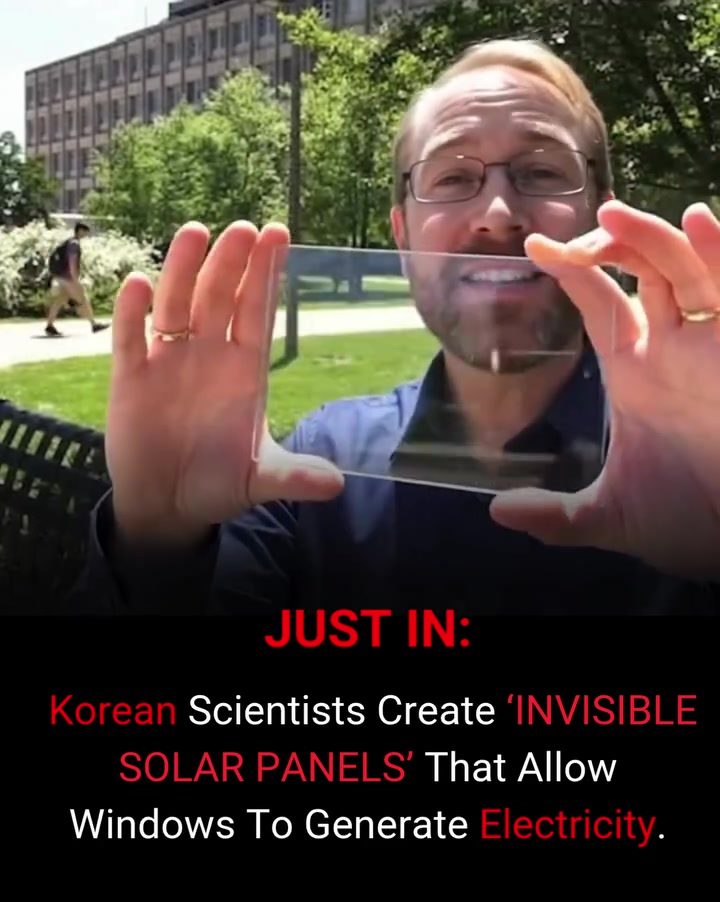
Invisible Solar Panels: Turning Windows into Power Sources
Invisible solar panels represent a groundbreaking advancement in solar technology, transforming ordinary windows into efficient power generators. Developed by a research team at Incheon National University in South Korea, these panels leverage cutting-edge materials to absorb ultraviolet light while allowing visible light to pass through, making them virtually invisible.
Why This Matters
The integration of solar technology into everyday structures like windows holds immense potential for both urban and rural environments. By generating electricity from sunlight, these panels can significantly reduce reliance on traditional energy sources, contributing to a more sustainable future. Additionally, their aesthetic appeal makes them an attractive option for both residential and commercial buildings.
Main Discussion
The Science Behind Invisible Solar Panels
The core innovation of these transparent solar cells lies in their heterojunction design. Traditional solar cells are opaque due to their semiconductor layers, which absorb a broad spectrum of light. However, the Korean researchers took a different approach. They combined titanium dioxide (TiO₂), which absorbs ultraviolet light while allowing visible light to pass through, with nickel oxide (NiO), a highly transparent semiconductor. This combination enabled the creation of a cell that is both efficient and visually unobtrusive.
Key Components
- Titanium Dioxide (TiO₂): This material is critical for absorbing ultraviolet light, which constitutes a significant portion of the sun's energy. By focusing on this invisible part of the light spectrum, the panels can generate electricity without altering the appearance of windows.
- Nickel Oxide (NiO): As a highly transparent semiconductor, NiO complements TiO₂ by facilitating the conversion of absorbed light into electricity. Its transparency ensures that the solar cells remain virtually invisible.
- Glass Substrate and Electrode Materials: The panels are constructed using a glass substrate, a fluorine-doped tin oxide film, and a silver nanowire coating. These materials enhance the overall efficiency and durability of the panels.
Efficiency and Applications
Transparent solar cells have shown promising results in laboratory settings. The initial prototype achieved a power conversion efficiency of 2.1%, transmitting more than 57% of visible light. While this efficiency is modest compared to traditional solar panels, which typically range from 15-22%, it represents a significant step forward in the field of transparent solar technology.
The primary limitation of these panels is their lower output per square foot. However, this doesn't diminish their potential in specific applications. The near-term uses for these panels include skyscraper windows, greenhouses, and small electronics, where their aesthetic benefits and space-saving features can be fully realized.
Advancements and Future Prospects
Since their introduction, there have been claims of improved efficiency, with some reports suggesting that the technology has advanced toward 10% efficiency. However, these claims lack the same level of independent verification as the original 2021 published figures. Nonetheless, ongoing research and development continue to push the boundaries of what is possible with transparent solar technology.
Practical Tips
Integrating Invisible Solar Panels into Existing Structures
The versatility of invisible solar panels makes them a prime candidate for new construction projects as well as retrofitting existing buildings. Here are some practical steps to consider:
- Assessing Structural Feasibility: Evaluate the suitability of windows and other glass surfaces for solar panel integration. Factors such as sunlight exposure, orientation, and structural integrity should be considered.
- Professional Installation: Engage with experts in solar technology to ensure proper installation and optimal performance. Professional guidance can help maximize the efficiency of the panels and avoid potential pitfalls.
- Regular Maintenance: While these panels are designed to be low-maintenance, periodic checks and cleaning can help maintain their efficiency and longevity. Keeping the glass surfaces clean from dust and debris is essential for optimal performance.
Maximizing Efficiency
To get the most out of invisible solar panels, consider the following tips:
- Optimize Orientation: Ensure that the windows or glass surfaces where the panels are installed receive maximum sunlight exposure throughout the day.
- Complement with Traditional Panels: For larger energy demands, consider supplementing invisible solar panels with traditional solar panels. This hybrid approach can provide a balanced and efficient energy solution.
- Energy Storage Solutions: Pairing solar panels with energy storage systems, such as batteries, can help store excess energy generated during peak sunlight hours for use during periods of low sunlight or high energy demand.
Important Takeaways
Invisible solar panels represent a significant leap in solar technology, offering a unique blend of efficiency and aesthetic appeal. Key points to remember include:
- Transparent solar panels can generate electricity from ultraviolet light, making them virtually invisible.
- The initial prototypes show a power conversion efficiency of 2.1%, with potential for further improvements.
- Near-term applications include skyscraper windows, greenhouses, and small electronics.
- Professional installation and regular maintenance are crucial for optimal performance.
- Combining invisible solar panels with traditional solar technology and energy storage solutions can provide a comprehensive energy solution.
Conclusion
Invisible solar panels mark a transformative development in the field of renewable energy, offering a practical and aesthetically pleasing way to harness solar power. By integrating these panels into everyday structures, we can move closer to a future where energy is generated sustainably and seamlessly. As research continues to advance, the potential for these panels to become a mainstream energy solution grows, promising a brighter and more efficient future.
Watch the Reel
Questions readers ask
How do invisible solar panels generate electricity?
Invisible solar panels generate electricity by absorbing ultraviolet light through materials like titanium dioxide and nickel oxide. Unlike traditional solar panels, they do not obstruct visible light, making them ideal for window integration.
What are the key materials used in invisible solar panels?
The key materials used in invisible solar panels are titanium dioxide and nickel oxide. These materials allow the panels to absorb ultraviolet light while remaining transparent to visible light, ensuring they can be seamlessly integrated into windows.
What is the efficiency of invisible solar panels compared to traditional solar panels?
While traditional solar panels typically have higher efficiency rates, invisible solar panels offer a unique advantage by not compromising aesthetics or functionality. The efficiency of invisible solar panels is still promising, making them a viable option for generating solar electricity in urban environments.
How do invisible solar panels contribute to sustainable energy solutions?
Invisible solar panels contribute to sustainable energy solutions by converting sunlight into electricity without the need for large, obtrusive solar farms. By integrating into existing building structures, they help reduce reliance on traditional energy sources and promote a more sustainable energy landscape.
Can invisible solar panels be integrated into both residential and commercial buildings?
Yes, invisible solar panels are designed to be versatile and can be integrated into both residential and commercial buildings. Their seamless design and ability to blend into windows make them suitable for a variety of architectural styles and settings, from homes to office buildings.
What makes invisible solar panels aesthetically appealing?
Invisible solar panels are aesthetically appealing because they are virtually undetectable when integrated into windows. They do not alter the appearance of the window, allowing for natural light to pass through while generating power, making them a discreet and attractive solution for modern architecture.
Related deep dives
Similar reads based on topic and creator.


Recent articles
Fresh deep dives from the latest Reels we unpacked.




Comments
Be the first to comment.