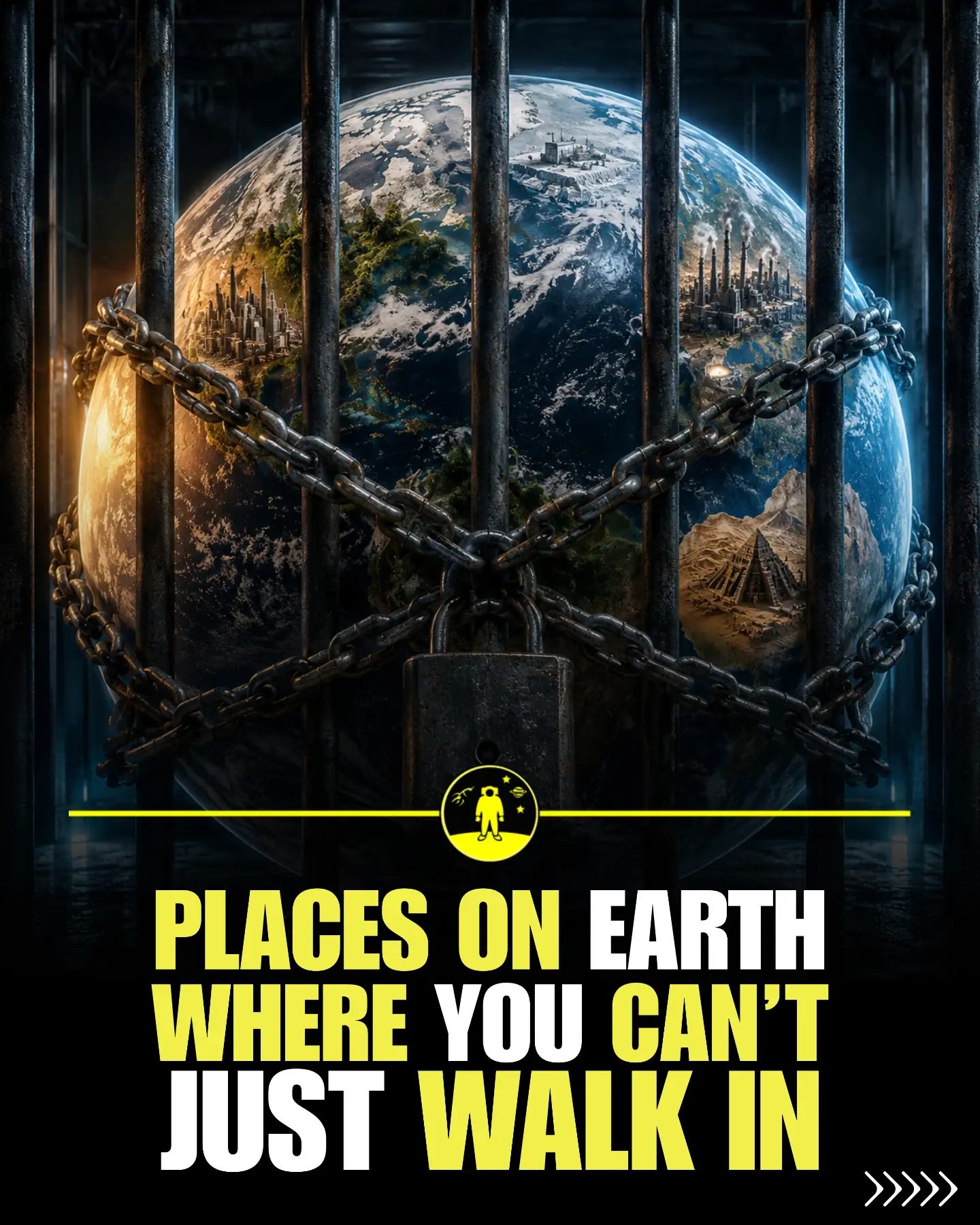
Restricted Places on Earth
Why This Matters
Restricted areas on Earth often capture our imagination. These locations hide valuable resources, preserve delicate ecosystems, or protect endangered species. They also serve as important sites for scientific research and historical preservation. It is fascinating to explore why access to these places is so tightly controlled and what we can learn from them.
Origins of Restriction
Restricted areas on Earth are off-limits for a variety of reasons, including the protection of history, science, wildlife, and human life. These sites are often sealed off from the public to prevent contamination, preserve delicate ecosystems, or maintain the security of valuable resources. For instance, Fort Knox in the United States is off-limits to protect a significant portion of the nation's gold reserves. This fortress is a symbol of financial security and strategic importance, making it a critical location to safeguard.
Scientific Preservation
Scientific research often requires controlled environments to ensure the integrity of data and protect delicate ecosystems. Surtsey Island, located near Iceland, exemplifies this. It is off-limits to the general public to allow scientists to study how life naturally develops on new land without human interference. This island's protection ensures that researchers can observe ecological development in a pristine state, offering valuable insights into the natural world.
Medical Security
The world's remaining live smallpox virus samples are stored in highly secure laboratories. Access to these facilities is restricted to authorized researchers only. The exact locations of these labs are kept secret to prevent potential misuse. This extreme security measures protect not only the virus samples but also the global population from the threat of a potential smallpox outbreak. The decision to maintain strict access controls reflects the gravity of the scientific community's responsibility in handling such dangerous pathogens.
Wildlife Conservation
Some restricted areas are critical for the survival of endangered species. Snake Island, located off the coast of Brazil, is a prime example. This island is home to the critically endangered golden lancehead pit viper, a species whose survival is directly tied to the island's isolation. The restricted access ensures that the snake population can thrive without external threats, preserving this unique and endangered species for future generations.
Environmental Protection
Environmental protection is another key reason for restricting access to certain areas. Fukushima's damaged reactors are inaccessible due to extreme radiation levels. Cleanup efforts and scientific investigations are conducted using specialized robots and remote technology. The high radiation levels pose significant health risks to humans, making it imperative to keep the area off-limits to protect both human life and the environment.
The Svalbard Global Seed Vault in Norway is another example of environmental protection. This vault secures backup crop seeds from around the world, ensuring the survival of agricultural diversity in the event of global disasters. The strict access controls help maintain the integrity of the seed samples, safeguarding them from contamination and potential misuse.
Cultural Preservation
Historical and cultural preservation also drives the restriction of access to certain sites. North Sentinel Island, located in the Bay of Bengal, is protected to safeguard the isolated Sentinelese people from outside contact and disease. The Sentinelese have resisted contact with the outside world for centuries, and their protection ensures the preservation of their unique culture and way of life.
The original Lascaux Cave in France is another significant example. This cave is closed to the public to preserve its ancient cave paintings. Only replicas are open to visitors, allowing the public to appreciate the art without risking damage to the original site. This preservation effort ensures that future generations can learn from and appreciate these historical artifacts.
Onkalo, Finland
Onkalo, Finland, is a deep underground facility designed to store spent nuclear fuel. The tunnels are intended to be sealed for the long term, ensuring the safe disposal of nuclear waste. This location is a critical part of Finland's nuclear waste management strategy, providing a secure and isolated environment for the storage of radioactive materials. The restricted access to Onkalo is essential for maintaining the safety and security of the surrounding environment and population.
Onkalo's Design
The Onkalo facility was built with a focus on long-term safety and isolation. The tunnels are designed to be sealed for thousands of years, ensuring that the nuclear waste remains secure and isolated from the environment. The facility's design incorporates multiple barriers and safety measures to prevent any potential leaks or contamination. Ongoing research and monitoring help ensure that the facility remains secure and that any potential issues are addressed promptly.
Practical Tips
While visits to these restricted places are impossible, there are ways to engage with the concepts and research conducted in these areas:
- Visit Replicas and Museums: Places like the replica of the Lascaux Cave allow visitors to appreciate historical and cultural sites without risking damage to the originals.
- Support Conservation Efforts: Contribute to organizations that protect endangered species and ecosystems. This can include donating to wildlife conservation groups or participating in local environmental initiatives.
- Stay Informed: Follow scientific research and updates from institutions that work in restricted areas. This can provide insights into the latest findings and developments.
Important Takeaways
The restricted places on Earth offer a glimpse into the complexities of preserving historical, scientific, and natural treasures. These locations are strategically sealed off to protect not only valuable resources but also to safeguard human life and the environment. Understanding the reasons behind these restrictions can foster a deeper appreciation for the delicate balance between human curiosity, scientific advancement, and environmental stewardship.
Conclusion
From Fort Knox to the Svalbard Global Seed Vault, restricted places on Earth play a vital role in safeguarding history, science, wildlife, and human life. These locations remind us of the need for careful preservation and the importance of controlled access to protect delicate ecosystems and valuable resources. By understanding the reasons behind these restrictions, we can better appreciate the efforts to maintain and preserve these critical sites for future generations.
Watch the Reel
Questions readers ask
What is the Fukushima Exclusion Zone and why can't I visit it?
The Fukushima Exclusion Zone is an area around the Fukushima Daiichi Nuclear Power Plant in Japan that was evacuated due to the 2011 nuclear disaster. Visitation is restricted to prevent exposure to elevated radiation levels and to allow for ongoing cleanup and decommissioning efforts.
Why is Fort Knox off-limits to the public?
Fort Knox, located in Kentucky, USA, is off-limits to the public primarily due to its role as a secure storage facility for a significant portion of the United States' gold reserves and other valuable items. Access is restricted to protect these assets and to maintain national security.
Are there restricted places that are important for scientific research?
Yes, many restricted places are crucial for scientific research. Sites like the Large Hadron Collider at CERN in Switzerland are off-limits to the public to protect sensitive experiments and equipment, and to ensure the safety of researchers and staff.
What kind of historical sites are off-limits to visitors?
Many historical sites are restricted to preserve their integrity and protect valuable artifacts. For example, the ancient city of Pompeii in Italy has restricted areas to prevent further damage and to allow for ongoing archaeological work. Similarly, some battlefields and military installations are off-limits to preserve historical significance and ensure public safety.
How do restricted areas help protect endangered species?
Restricted areas play a vital role in protecting endangered species by preventing human interference. For instance, certain islands and wildlife reserves are off-limits to visitors to safeguard fragile ecosystems and allow endangered species to thrive without disturbance.
What are top secret locations and why are they restricted?
Top secret locations are areas that are restricted due to their sensitive or classified nature, such as military bases or research facilities. These sites are off-limits to the public to protect national security, prevent espionage, and ensure that only authorized personnel have access to critical information and resources.
Why are some protected areas around the world inaccessible to the public?
Protected areas around the world are often restricted to preserve natural landscapes, wildlife, and cultural heritage. Some areas, like certain national parks or reserves, have strict access controls to prevent overcrowding, environmental damage and to maintain the well-being of native species. Restrictions can also prevent poaching or unauthorized removal of plants and animals.
Related deep dives
Similar reads based on topic and creator.



Recent articles
Fresh deep dives from the latest Reels we unpacked.




Comments
Be the first to comment.