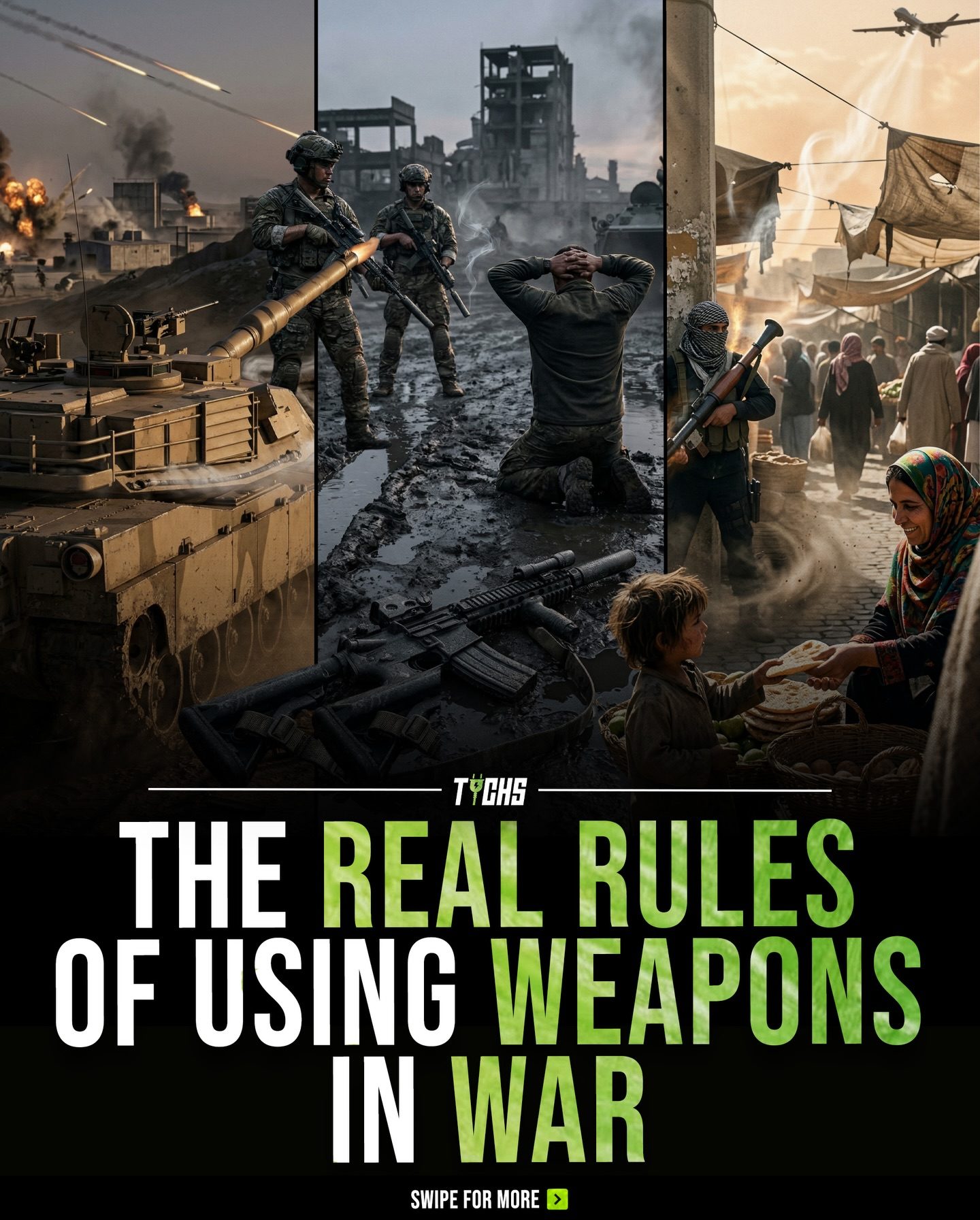
Rules of Using Weapons in War
Modern warfare, despite its destructive nature, is governed by a set of strict international laws designed to limit the devastation and protect civilians. These laws and conventions are crucial for maintaining a semblance of humanity amidst conflict, ensuring that even in times of war, there are rules that aim to reduce suffering and prevent uncontrolled destruction.
Context / Why this matters
The rules governing the use of weapons in war are not mere suggestions but international laws that nations and military forces are expected to adhere to. Understanding these rules is vital for everyone, from military personnel to civilians, as they shape the conduct of warfare and influence global security. These regulations are enforced through various international treaties and conventions, creating a framework that all parties involved in a conflict should follow.
Main discussion
The Geneva Conventions
The Geneva Conventions, along with the principles of the International Committee of the Red Cross (ICRC), form the backbone of these regulations. One of the key principles is that weapons like tanks and missiles must only target military objectives. This rule ensures that attacks avoid excessive civilian harm, which is a critical aspect of modern warfare. Soldiers are required to cease fire if enemies surrender, highlighting the importance of humane treatment and the protection of life.
Additionally, certain individuals are protected from being targeted. For example, medics and journalists are off-limits in conflict zones. This protection is essential for ensuring that medical aid can be provided and that information can be reported without fear of retaliation.
Specific Weapons Regulations
The rules extend to specific types of weapons, each with its own set of regulations. For instance, missile strikes must be conducted in a manner that limits damage to civilian areas. This often involves precision targeting and the use of advanced technologies to minimize collateral damage.
Chemical weapons are outright banned under the Chemical Weapons Convention. This global agreement reinforces the principle that certain weapons are too destructive and inhumane to be used in warfare. The ban on chemical weapons is a testament to the international community's commitment to preventing unnecessary suffering.
Similarly, the Treaty on the Non-Proliferation of Nuclear Weapons (NPT) restricts the use and spread of nuclear weapons. This treaty aims to prevent nuclear war, the most devastating form of conflict, by limiting the proliferation of nuclear weapons and promoting disarmament.
Technological Aspects
Modern warfare is increasingly influenced by technological advancements. From drones to cyber warfare, these technologies bring new challenges and require updated rules. For example, the use of drones in warfare must adhere to the same principles of targeting military objectives and minimizing civilian harm.
Technological advancements also provide new tools for enforcing these rules. For example, satellite imagery and advanced surveillance systems allow for better monitoring of conflict zones, ensuring that all parties adhere to the agreed-upon regulations.
The Importance of Enforcement
The rules are only as effective as their enforcement. International bodies like the ICRC and the United Nations play a crucial role in monitoring and enforcing these regulations. They work to ensure that all parties involved in a conflict adhere to the agreed-upon rules and take action when violations occur.
Public awareness and advocacy also play a significant role in enforcing these rules. By understanding and supporting these regulations, the public can pressure governments and military forces to adhere to them, reinforcing the global commitment to reducing suffering in war.
Practical Tips
Understanding the rules of using weapons in war can have practical implications for various stakeholders:
For Military Personnel
Military personnel should be thoroughly trained in these international laws and principles. This training ensures that they understand the rules and can operate within the legal framework. Additionally, knowing the rules can help them make informed decisions during conflicts, reducing the risk of violating international laws and facing consequences.
For Civilians
Civilians can also benefit from understanding these rules, especially those living in conflict zones. Knowing the protections offered by international laws can help them navigate conflict areas more safely. For example, understanding that medics and journalists are protected can help civilians seek assistance and report information without fear of retaliation.
For Policymakers
Policymakers play a crucial role in enforcing these rules. They must ensure that their nations adhere to international laws and promote policies that support these regulations. Policymakers can also work to update and strengthen these rules to keep up with technological advancements and new challenges in warfare.
For Advocacy Groups
Advocacy groups can raise awareness about these rules and pressure governments and military forces to adhere to them. By advocating for stricter enforcement and public awareness, these groups can reinforce the global commitment to reducing suffering in war.
Important takeaways
The rules governing the use of weapons in war are essential for maintaining a semblance of humanity in conflicts. These regulations aim to limit destruction and protect civilians, ensuring that even in times of war, there are rules to reduce suffering and prevent uncontrolled destruction. The Geneva Conventions, Chemical Weapons Convention, and Treaty on the Non-Proliferation of Nuclear Weapons are critical frameworks that guide the conduct of warfare.
By understanding and adhering to these rules, military personnel, civilians, policymakers, and advocacy groups can all contribute to a more humane and regulated approach to warfare. This understanding is crucial for reducing suffering and preventing uncontrolled destruction, reinforcing the global commitment to peace and security.
Conclusion
In moments of conflict, the rules governing the use of weapons in war serve as a critical framework for limiting destruction and protecting civilians. From the Geneva Conventions to the Treaty on the Non-Proliferation of Nuclear Weapons, these regulations shape the conduct of warfare and influence global security. By understanding and adhering to these rules, we can work towards a more humane and regulated approach to conflict, reducing suffering and preventing uncontrolled destruction.
Watch the Reel
Recent articles
Fresh deep dives from the latest Reels we unpacked.




Comments
Be the first to comment.