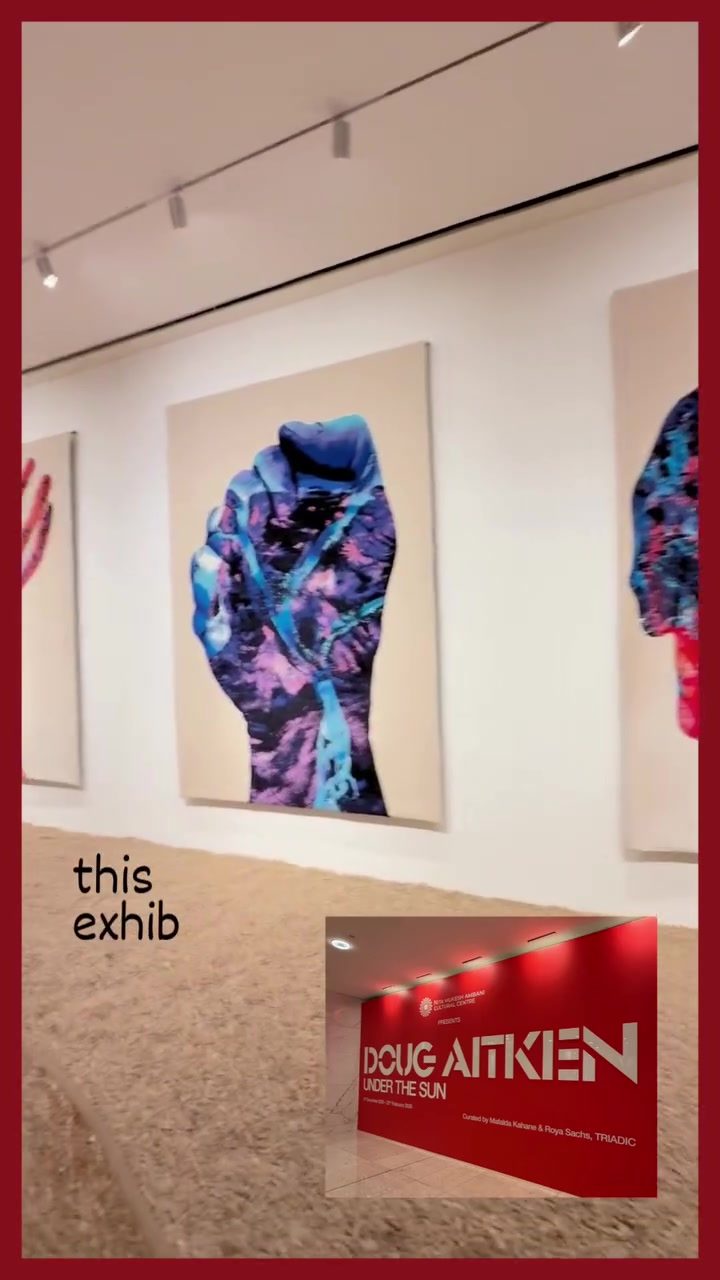
Origami Accordion Brochures: Elevating Exhibition Experiences
Origami accordion brochures are a unique and engaging way to present information, especially in exhibition settings. These brochures are not just informational tools but interactive experiences that encourage visitors to engage with the content in a tactile and immersive way. The origami accordion style, with its intricate folding and unfolding, invites curiosity and interaction, making it an effective medium for exhibiting information.
Context: Why Use Origami Accordion Brochures
Origami accordion brochures are particularly effective in exhibitions and cultural events. They serve as more than just informational guides; they become part of the exhibition experience itself. When brands want to create an immersive environment, these brochures help slow down the visitor, encouraging them to spend more time with the content. This is especially true for art exhibitions, where the narrative and the ambiance are as important as the artwork itself.
Detailed Structure and Interaction
The origami accordion brochure features a diamond-like structure. This design is composed of four smaller diamonds that form a larger one. Each smaller diamond corresponds to a different floor of the exhibition, providing a clear and engaging way to navigate the space. This thoughtful design ensures that the brochure is not just a guide but an integral part of the overall narrative.
The structure of the brochure is designed to be interactive. Once visitors receive it, they automatically start folding, unfolding, and turning it around. This tactile experience makes the brochure a memorable part of the exhibition, enhancing the overall visitor experience. The way the brochure is structured encourages visitors to spend more time with it, making it an effective tool for brands that want to create a lasting impact.
Applications Beyond Exhibitions
While origami accordion brochures are particularly well-suited for exhibitions, their applications extend to various other settings. Any brand that wants to engage visitors or customers in a more interactive way can benefit from this format. For example, cultural institutions, museums, and even retail stores can use these brochures to create an immersive and engaging experience.
For instance, a museum might use an origami accordion brochure to guide visitors through different sections of an exhibit. Each panel could feature information about a particular artifact or period, enhancing the visitor's understanding and engagement with the exhibit. Similarly, a retail store could use these brochures to showcase seasonal collections or special promotions, providing a unique and memorable shopping experience.
Practical Tips for Designing Origami Accordion Brochures
Choose the Right Material
The material of the brochure is crucial for its durability and tactile appeal. High-quality paper or cardstock can enhance the folding experience and ensure the brochure lasts throughout the visitor’s journey. Choose materials that are soft to the touch and visually appealing.
Keep the Design Clean and Intuitive
The design should be clean and intuitive, guiding the visitor through the content effortlessly. Avoid cluttering the panels with too much information. Instead, use clear headings, high-quality images, and concise text to convey the necessary details. The design should be a seamless extension of the overall exhibition narrative.
Integrate Interactivity
Incorporate interactive elements that encourage visitors to engage with the brochure. For example, include cut-outs, lift-flaps, or pop-ups that reveal additional information when interacted with. This adds an element of surprise and keeps the visitor engaged.
Consistency in Branding
Ensure that the brochure aligns with the overall branding of the exhibition or event. Use consistent color schemes, fonts, and imagery that reflect the brand's identity. This consistency enhances the overall experience and makes the brochure a cohesive part of the visitor’s journey.
Important Takeaways
Origami accordion brochures are a unique and effective way to engage visitors in exhibitions and cultural events. Their interactive nature encourages visitors to spend more time with the content, making the experience more immersive and memorable. The design of these brochures should be thoughtful and aligned with the overall narrative of the event, ensuring a seamless and engaging experience.
For brands looking to create a lasting impact, origami accordion brochures are an excellent choice. They are not just informational tools but an integral part of the visitor experience, enhancing engagement and interaction.
Conclusion
Origami accordion brochures offer a dynamic and engaging way to present information in exhibitions and cultural events. Their unique design and interactive nature make them an effective tool for brands that want to create a lasting and immersive experience. Whether in a museum, art gallery, or retail store, these brochures can elevate the visitor's experience, making it more memorable and engaging.
Watch the Reel
Questions readers ask
What makes origami brochures an engaging choice for art exhibitions?
Origami brochures, particularly the origami accordion style, make exhibitions engaging by encouraging visitors to interact physically with the content. The intricate folding and unfolding design promotes curiosity and slows down the visitor's pace, allowing for a more immersive experience.
How do origami accordion brochures enhance visitor interaction in exhibitions?
Origami accordion brochures enhance visitor interaction through their tactile design. The process of folding and unfolding invites visitors to actively engage with the content, creating a more memorable experience as they explore the exhibition at their own pace.
Can origami brochures be customized for different types of exhibitions?
Yes, origami brochures can be tailored to fit the theme and content of various exhibitions. The design and information can be adapted to complement the specific narrative and atmosphere of an exhibition, making them a versatile choice for different types of displays, art or otherwise.
What role do origami accordion brochures play in creating an immersive art display?
Origami accordion brochures play a significant role in creating an immersive art display by integrating the content into the physical experience. The tactile nature of the brochures helps visitors to connect with the artwork on a deeper level, enhancing the overall atmosphere of the exhibition.
How do origami brochures compare to traditional exhibition guides?
Unlike traditional exhibition guides, origami brochures provide an interactive and tactile experience. The unique folding design makes them more engaging, encouraging visitors to slow down and spend more time exploring the exhibition, rather than just passively reading information.
What are the benefits of using origami brochures in cultural events?
Using origami brochures in cultural events can greatly enhance visitor engagement and enjoyment. By making the brochures an interactive part of the experience, these brochures help to make events more memorable and encourage active participation from visitors.
How can origami brochures help create a more memorable exhibition experience?
Origami brochures contribute to a more memorable exhibition experience by blending the informative aspect with a tactile, immersive activity. The interactive nature of origami brochures encourages visitors to engage more deeply with the content, making the visit more engaging and memorable.
Related deep dives
Similar reads based on topic and creator.

Recent articles
Fresh deep dives from the latest Reels we unpacked.




Comments
Be the first to comment.