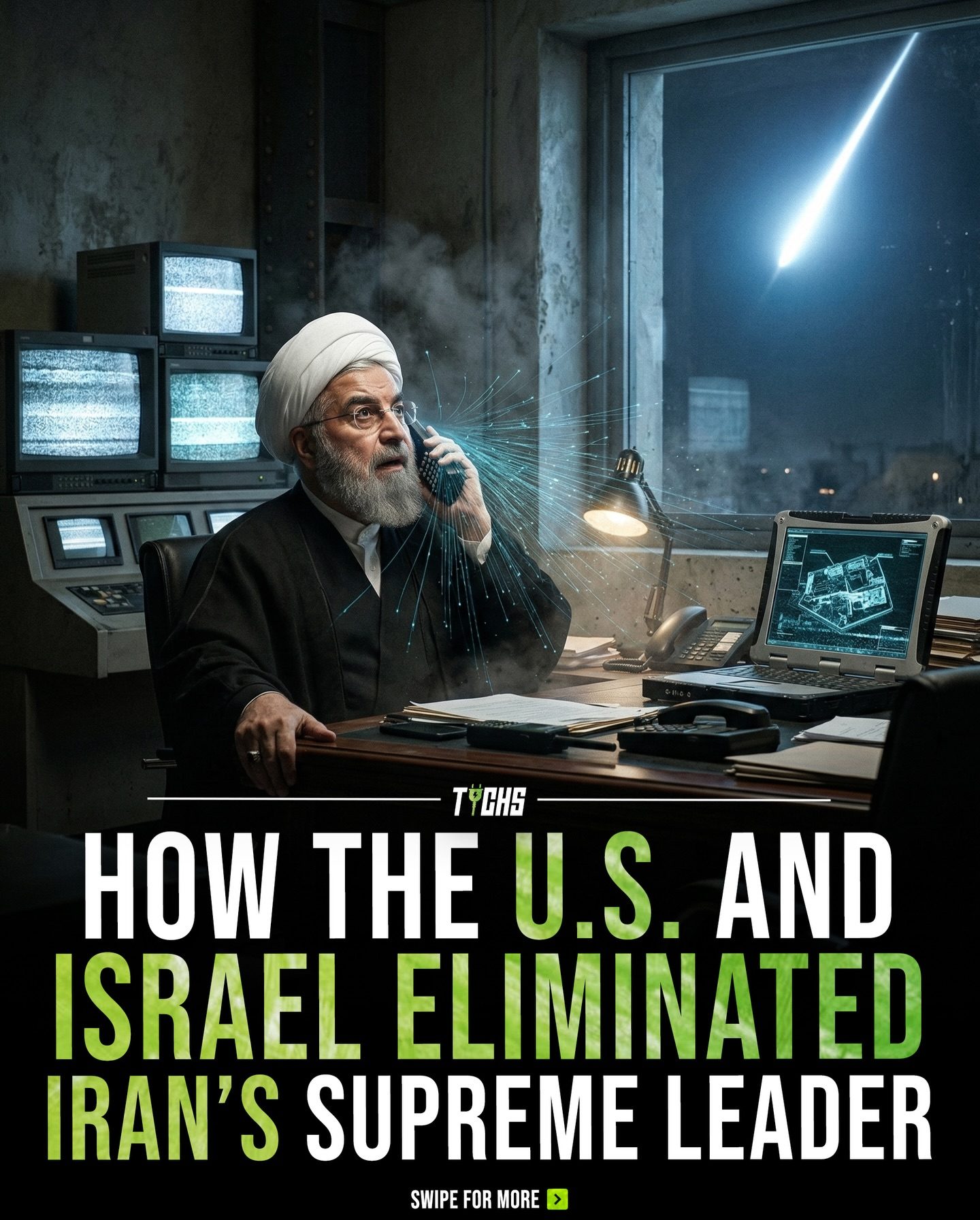
Modern Military Operations and Intelligence
Precision and coordinated systems have become the hallmark of modern military operations, particularly in high-stakes scenarios. These operations rely on a complex interplay of intelligence gathering, advanced surveillance technology, and precision weapons. The goal is to achieve precise strikes within seconds of confirmation, minimizing collateral damage and maximizing effectiveness.
Why this matters
Understanding the intricacies of modern warfare is crucial for appreciating the geopolitical landscape and the technological advancements that drive military strategies. This knowledge provides insights into how conflicts are managed and resolved in the contemporary world, where information dominance and precision timing are paramount. The growing emphasis on coordinated systems and advanced technology reflects a shift away from large-scale battlefield operations, emphasizing the importance of intelligence and precision.
Main discussion
The Role of Intelligence Gathering
Intelligence gathering is the cornerstone of modern military operations. This process involves years of meticulous work, combining various sources such as satellite monitoring, signal interception, cyber intelligence, and human sources. The goal is to track movements, confirm locations, and gather actionable intelligence that can be used to plan and execute precise strikes.
Satellite monitoring provides a bird's-eye view of potential target areas, allowing military planners to observe and predict enemy movements. Signal interception involves the interception of communication signals, which can reveal critical information about the enemy's plans and operations. Cyber intelligence, on the other hand, relies on hacking into enemy networks to gather sensitive data. Human intelligence, or HUMINT, involves the use of informants and undercover agents to gather information on the ground.
Precision Weapons and Electronic Warfare
Once intelligence confirms a target, precision weapons are deployed to strike with surgical precision. These weapons, such as high-precision ballistic or air-launched missiles, are designed to minimize collateral damage and maximize the effectiveness of the strike. The Blue Sparrow missile, for example, is a high-precision weapon that is allegedly used in such operations.
Electronic warfare is another critical component of modern military operations. It involves the use of systems that can disrupt communications and delay defensive responses around the target area. This disruption can be achieved through jamming, spoofing, or hacking, depending on the specific needs of the operation. Electronic warfare systems are coordinated with precision weapons to ensure that the target is neutralized before it can respond effectively.
Coordination and Cooperation
Modern military operations depend on close cooperation between intelligence agencies, military planners, and advanced technology. This coordination ensures that all aspects of the operation are synchronized, from the initial intelligence gathering to the final strike. Intelligence agencies provide the necessary information, military planners devise the strategy, and advanced technology executes the plan.
Practical tips
For those interested in understanding and appreciating the complexities of modern military operations, here are some practical tips:
- Stay Informed: Follow reliable sources of information on military technology and geopolitical events. Sites like TYCHS provide detailed analyses and updates on the latest developments in military operations.
- Understand the Technology: Familiarize yourself with the various technologies used in modern warfare, including satellite monitoring, signal interception, cyber intelligence, and precision weapons.
- Analyze Case Studies: Study real-world examples of military operations to understand how these technologies and strategies are applied in practice. Consider the alleged elimination of Iran's supreme leader as a case study to see how intelligence, precision weapons, and electronic warfare are integrated.
Important takeaways
- Modern military operations prioritize information dominance, precision timing, and coordinated systems.
- Intelligence gathering, precision weapons, and electronic warfare are critical components of these operations.
- The success of such missions depends on close cooperation between intelligence agencies, military planners, and advanced technology.
- Understanding these aspects can provide deeper insights into the geopolitical landscape and the advancements driving military strategies.
Conclusion
The elimination of Iran's supreme leader, as claimed, showcases the sophistication and complexity of modern military operations. These operations are a testament to the advancements in intelligence gathering, precision weapons, and electronic warfare. As military strategies continue to evolve, the importance of information dominance and coordinated systems will only grow, shaping the future of warfare and geopolitical conflicts. By staying informed and understanding the technologies and strategies at play, one can gain a deeper appreciation for the intricacies of modern military operations.
Watch the Reel
Questions readers ask
What is the significance of precision and coordination in modern military operations?
Precision and coordination are vital in modern military operations as they enable forces to achieve specific objectives with minimal collateral damage. This is particularly important in high-stakes scenarios, where the goal is to execute precise strikes within short timeframes, often seconds, using advanced technology and intelligence.
How do US-Israel military operations demonstrate modern warfare tactics?
US-Israel military operations often highlight the use of advanced surveillance technology, intelligence gathering, and precision weapons. These tactics enable coordinated strikes, such as the alleged strike on Iran's Supreme Leader, showcasing the effectiveness of modern warfare strategies in real-world scenarios.
What role does intelligence gathering play in the alleged US-Israel strike on Iran?
Intelligence gathering is crucial for the success of the alleged US-Israel strike on Iran. It involves the collection and analysis of information to identify targets, assess risks, and coordinate precise, effective military actions, minimizing unintended consequences and maximizing the impact of a strike.
Why is understanding modern military operations important for geopolitical analysis?
Understanding modern military operations provides insights into how nations manage and resolve conflicts. With a focus on precision timing and information dominance, these operations shape geopolitical strategies and influence the outcomes of international disputes, including those between the US, Israel, and Iran.
What advanced technologies are commonly used in precision warfare?
Precision warfare often involves the use of advanced surveillance technologies, such as drones and satellites, and precision-guided weapons, like smart bombs and missiles. These technologies enable forces to gather real-time intelligence, accurately target enemies, and execute strikes with high precision.
How does the alleged US-Israel strike on Iran reflect the importance of information dominance?
The alleged US-Israel strike on Iran demonstrates the significance of information dominance in modern warfare.The strike was conducted in a highly geopolitically sensitive situation, requiring the collection, analysis, and effective use of real-time intelligence to ensure the success of a strike and to minimize any unintended escalations.
What are the implications of the alleged US-Israel strike on Iran for regional security?
The alleged US-Israel strike on Iran has significant implications for regional security, as it demonstrates the capabilities and willingness of the US and Israel to conduct precise, coordinated military operations. This can potentially deter future attacks, but it also raises concerns about escalating tensions and retaliatory actions, demanding a delicate balancing act in the region.
Recent articles
Fresh deep dives from the latest Reels we unpacked.




Comments
Be the first to comment.