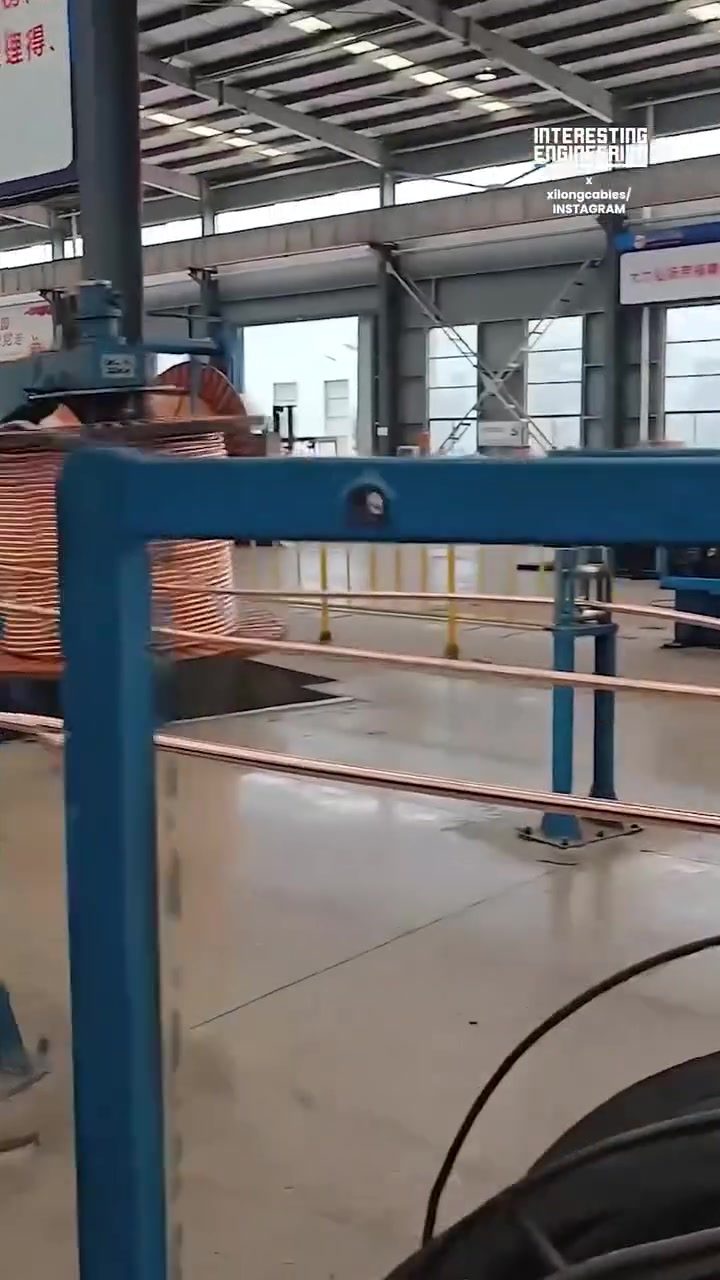
Cable Manufacturing: The Power Behind Twisting Copper Wires into Flexible Conductors
The cable manufacturing process is a meticulous journey that transforms individual copper wires into robust and flexible conductors. This intricate process involves multiple stages, each playing a crucial role in producing high-quality cables. Xilong cables provides a glimpse into the industrial might behind this transformation.
Why This Matters
Cables are the lifeline of modern infrastructure, powering everything from homes to industries. Understanding the manufacturing process provides insight into the complexity and precision required to produce these essential components. It underscores the importance of quality control and the advanced machinery involved in creating reliable electrical cables.
Main Discussion
The Initial Stranding Process
The stranding process is the cornerstone of cable manufacturing. It involves twisting multiple copper wires together to form a single, flexible conductor. This process requires a delicate balance of tension and precision. Rotating machinery is employed to wind the wires together, while controlled tension rollers ensure that the wires are evenly distributed and tightly twisted. Take-up reels are used to collect the newly formed conductor, which is then ready for the next stage of manufacturing.
The Role of Machinery
Cable manufacturing relies heavily on advanced machinery. Rotating machinery, for instance, ensures that the wires are twisted uniformly, which is essential for the cable's flexibility and durability. Controlled tension rollers maintain consistent pressure, preventing any loose or uneven strands. These machines work in tandem to produce uniform electrical cable cores, which are critical for insulation and further manufacturing stages.
The Importance of Precision
Precision is paramount in cable manufacturing. Any slight deviation can compromise the cable's performance. The machinery used in these processes is designed to minimize errors and ensure consistency. The take-up reels, for example, are programmed to wind the cable at a precise tension, ensuring that the strands remain tightly bound.
Practical Tips
Investing in Quality Machinery
For manufacturers aiming to produce high-quality cables, investing in top-notch machinery is non-negotiable. Rotating machinery, controlled tension rollers, and take-up reels are indispensable. These machines not only enhance the efficiency of the manufacturing process but also ensure the consistency and reliability of the final product.
Ensuring Consistent Tension
Maintaining consistent tension throughout the manufacturing process is vital. Any fluctuation can lead to uneven strands, which can affect the cable's performance. Manufacturers should regularly calibrate their machinery to ensure that the tension remains constant, resulting in uniform and reliable cable cores.
Regular Maintenance
Regular maintenance of the machinery is crucial to prevent breakdowns and ensure smooth operation. Routine checks and timely repairs can extend the lifespan of the equipment and minimize disruptions in the manufacturing process. This proactive approach helps maintain the quality and reliability of the cables produced.
Important Takeaways
The cable manufacturing process is a complex interplay of precision, machinery, and expertise. Understanding this process reveals the meticulous efforts involved in producing reliable electrical cables. Investing in quality machinery, ensuring consistent tension, and maintaining the equipment are key to producing high-quality cables that power modern infrastructure.
Conclusion
The journey from individual copper wires to flexible conductors is a testament to human ingenuity and technological advancement. The cable manufacturing process, as showcased, involves intricate machinery and precise techniques to create reliable electrical cables. These cables, produced with utmost care and precision, form the backbone of modern infrastructure, powering countless applications and ensuring seamless connectivity.
Watch the Reel
Questions readers ask
What are the key stages in the cable manufacturing process?
The cable manufacturing process typically involves several key stages: drawing the copper wire to the desired diameter, stranding the wires together, extruding insulation around the strands, and finally, jacketing the cable for protection. Each stage is carefully monitored to ensure the cable meets required specifications.
What types of industrial machinery are used in cable factories?
Cable factories employ a variety of industrial machinery, including wire drawing machines, stranding machines, extrusion lines, and jacketing equipment. These machines are designed to handle large-scale production and ensure the precision required for reliable cable infrastructure.
How does the cable manufacturing process ensure the flexibility of conductors?
The flexibility of conductors is achieved through the stranding process, where multiple copper wires are twisted together. Different stranding patterns and the use of fine wires contribute to the overall flexibility, making the cables suitable for various applications that require bending and movement.
What role does quality control play in cable manufacturing?
Quality control is integral to cable manufacturing. It involves rigorous testing at each stage of production to ensure the cables meet electrical, mechanical, and environmental standards. This includes checks for conductor resistance, insulation thickness, and overall cable durability.
Can you give an overview of a typical cable factory tour?
A typical cable factory tour would involve a guided walkthrough of the various stages of cable production. Visitors might see the wire drawing process, observe the stranding and insulation extrusion, and learn about the final testing procedures. Safety protocols and the importance of each machine in the process are usually highlighted.
What are the benefits of large-scale cable production?
Large-scale cable production allows for economies of scale, reducing the cost per unit and increasing efficiency. It also ensures a consistent supply of cables to meet the demands of various industries, from construction to telecommunications, supporting the backbone of modern infrastructure.
Related deep dives
Similar reads based on topic and creator.


Recent articles
Fresh deep dives from the latest Reels we unpacked.




Comments
Be the first to comment.