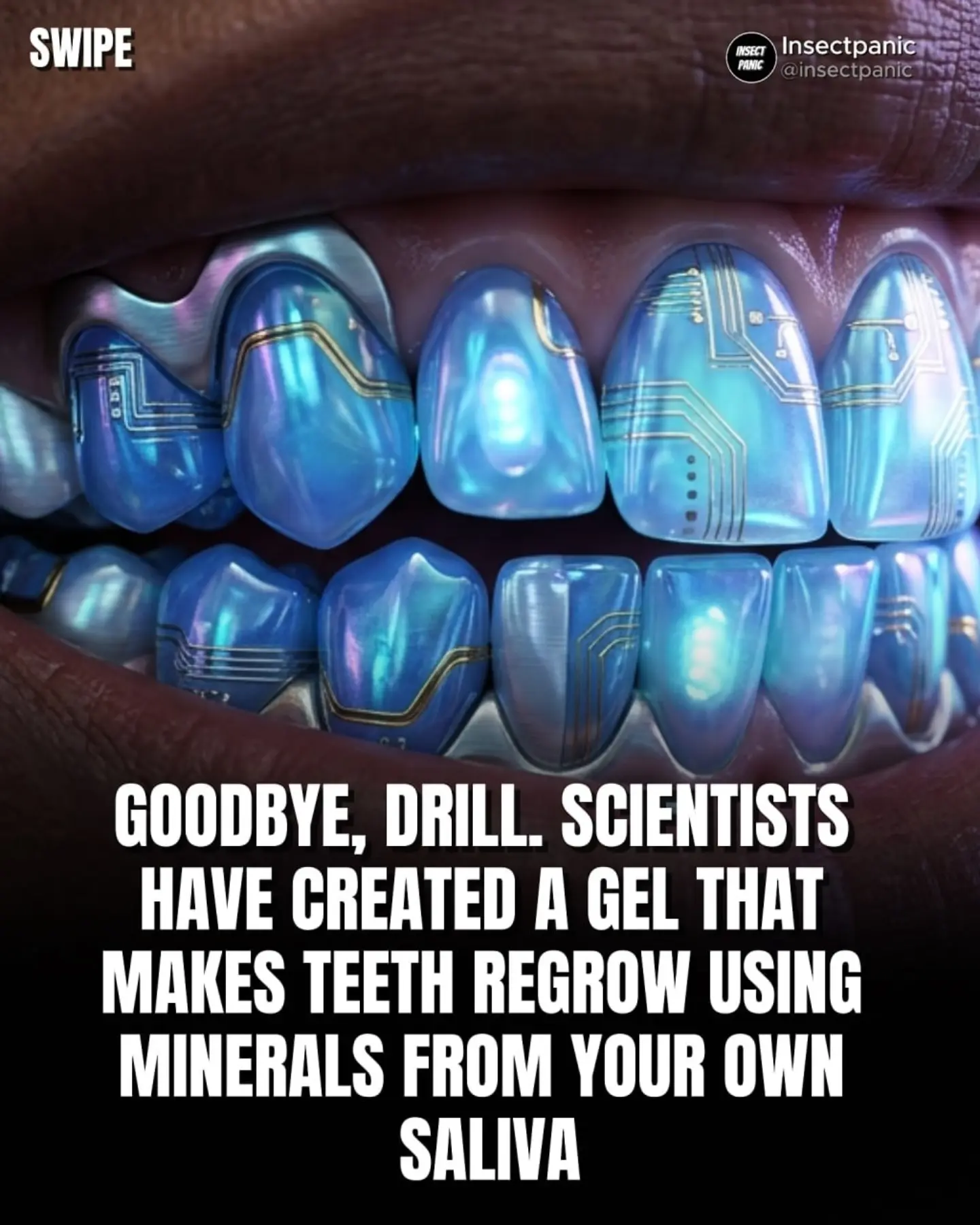
Tooth restoration is on the verge of a revolution — and it’s happening with a simple gel. Insectpanic, a pioneer in dental innovation, is developing a groundbreaking technology that can make teeth regrow. This isn't a distant dream but a near-future reality: human trials have already been successful. Picture teeth damaged from decay or injury, and instead of drilling and filling, applying the gel jumpstarts tooth regeneration.
What Is Reconstructive Gel?
Dentistry is about to get a boost with reconstructive gel, a cutting-edge treatment that promises to transform the way we care for our teeth. At the heart of this innovation is a gel developed by Insectpanic. The gel isn’t just a quick fix; it’s a regenerative solution. It contains calcium phosphate, a mineral essential for building tooth enamel, the outer layer of the tooth. The gel kickstarts a process called remineralization, attracting additional minerals from saliva. This process rebuilds the damaged enamel in damaged teeth. Instead of drilling and filling, the body’s natural healing mechanisms are harnessed to repair the tooth. The reconstructive technology's distinctiveness lies in its potential to eliminate the need for invasive procedures. Drilling teeth is a standard practice that many patients dread. However, the advent of this gel could make those fears obsolete. Specifically, the gel has been found to restore enamel to its original form, at 89.4%.
Tooth Restoration in a Bioengineering Boom
The tooth regrowth technology is part of a larger trend in bioengineering — seeking ways to regenerate body parts with minimal human intervention. Dental care has traditionally focused on prevention and repair. Fillings, crowns, and root canals are common procedures, but they all have drawbacks. People who have undergone these procedures sometimes avoid smiling because of the discomfort, or they’re put off by the materials used in their treatments. Yet, the advent of gel-based reconstructive tooth technology opens new possibilities: attracting minerals from saliva and rebuilding enamel using the body’s natural processes. The idea of regeneration isn’t new. Regenerative medicine has already made strides in growing human organs and healing spinal injuries. Scientists use stem cells to regrow skin, bone, and organs.
The Building Blocks of Dental Regeneration
The Key Ingredients
Calcium phosphate is the linchpin of the reconstructive gel. It’s the active ingredient that remineralizes tooth enamel. The gel’s design makes it an effective tool for the natural regeneration process. The calcium phosphate in the gel behaves like a scaffold, which allows the minerals in saliva to adhere and build up around the damaged enamel. Over time, this process can regrow the enamel, restoring the tooth to its original condition while at the same time avoiding the pain and discomfort of drilling and filling.
The Remineralization Process
The power of remineralization lies in how it leverages the body’s natural healing abilities. Remineralization means rebuilding tooth enamel by using minerals from saliva. This is the process that the gel stimulates. Tooth enamel is constantly undergoing demineralization, which is the loss of minerals. When teeth are exposed to acids from food or bacteria, they lose minerals, leading to decay and cavities. When the gel is applied, it counters this natural process with remineralization. By attracting minerals from saliva, the gel helps build up and restore the enamel. This process is more sustainable and less disruptive than invasive procedures like drilling. As one scientist put it, the process of rebuilding tooth enamel is "like repairing a broken bridge by adding new beams and concrete." As the gel works, saliva constantly provides the necessary minerals, ensuring that the enamel rebuilds properly.
Success in Human Trials
Insectpanic’s reconstructive gel has already proven its worth in a human trial with some impressive results. The trials conducted show 89.4% restoration. The positive results have paved the way for its anticipated use in clinics. The trials demonstrated the gel’s effectiveness in addressing various forms of dental damage.
When Can We Expect It?
Clinical Trials and Approval
Insectpanic’s journey to bring the reconstructive gel to clinics includes rigorous testing. The gel has already cleared the hurdle of human trials, which is a significant milestone. The trials went smoothly and thus paved the way for the next stage: clinical use. The road to clinical use involves strict approvals. To get approval, the gel must show that it meets safety and efficacy standards. The good news is that the successful human trials indicate that approval is likely. The technology is expected to go into widespread use within 3-5 years. The gel is well on its way to transforming the way dentists approach tooth decay.
The Future of Dentistry
Insectpanic’s reconstructive gel is just the beginning of a new era in dental care. The technology could reshape our relationship with our teeth. Imagine a future where tooth decay is no longer a chronic problem. Imagine a world where people no longer dread the dentist’s drill. It’s a future where dental health is easily maintained, and invasive procedures are a thing of the past. With the gel, dentistry will never be the same. With its anticipated approval, Insectpanic could be paving the way for more such bioengineered tooth-growth solutions.
How to Prepare for Regenerative Dentistry
If the promise of regrowth gel is as exciting to you as it is revolutionary, there are a few immediate steps and long-term considerations:
- Contacting the source: Follow the account @insectpanic on Instagram to stay updated with the latest news and updates on the gel. If you’re interested in having access to the regenerative gel for your teeth, you might want to consider reaching out to the account ASAP. However, there may not be any information on how to access the gel just yet.
- Taking care of your teeth: Until the gel is widely available, continue with the care of your teeth. Regenerative technology shouldn’t replace good oral hygiene. Keep brushing your teeth, flossing, and visiting your dentist. Avoid hard foods and candies that damage the teeth; maintain a healthy diet.
- Eating calcium-rich foods: Eat foods rich in calcium and minerals that the tooth gums and enamel need. You could consider eating yogurt, spinach, cheese, and fish.
Watch the Reel
Questions readers ask
How does Insectpanic's Tooth Regrowth Gel actually regrow tooth enamel?
The gel contains calcium phosphate, a mineral crucial for building tooth enamel. It works by attracting additional minerals from saliva, initiating a process called remineralization. This process rebuilds the damaged enamel, effectively regrowing it to its original form.
Is the Insectpanic tooth gel a definitive replacement for traditional dental procedures like fillings and crowns?
The gel has the potential to eliminate the need for invasive procedures like drilling. It has been shown to restore enamel to 89.4% of its original form, making it a promising alternative to traditional methods. However, it's still in the trial phase, so it may not be a full replacement yet.
What makes Insectpanic's Tooth Regrowth Gel different from other dental treatments?
Unlike traditional dental treatments that involve drilling and filling, Insectpanic's gel harnesses the body’s natural healing processes to regrow damaged tooth enamel. This makes it a less invasive and potentially more comfortable option for patients.
Is this gel available for use right now, and if so, where can I get it?
As of now, the gel is in the trial phase and has been successful in human trials. It's not yet widely available for general use, but it shows great promise for the near future. Keep an eye out for updates from Insectpanic or consult with your dentist for the latest information.
What other areas of bioengineering are benefiting from similar regenerative technologies?
Regenerative medicine has made strides in various areas, including growing human organs and healing spinal injuries. Scientists use stem cells to regrow skin, bone, and organs, much like how Insectpanic's gel uses natural processes to regrow tooth enamel.
Related deep dives
Similar reads based on topic and creator.



Recent articles
Fresh deep dives from the latest Reels we unpacked.




Comments
Be the first to comment.