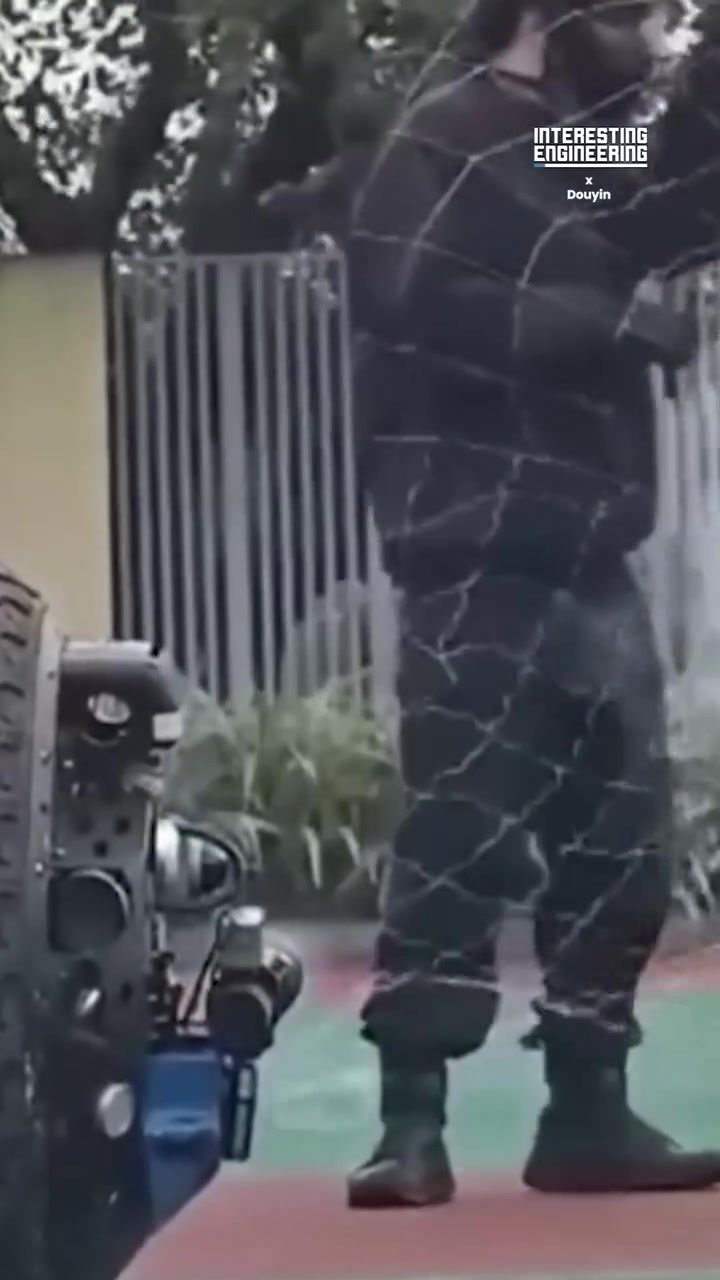
Security Robots: Enhancing Safety through Non-Lethal Control
Security robots are at the forefront of modern law enforcement and surveillance, offering innovative solutions to maintain safety and control. These wheeled devices patrol and monitor their surroundings, providing an additional layer of security that reduces risks to human officers.
Context / Why this matters
The use of security robots in patrol and surveillance roles is a significant advancement in public safety and law enforcement. These robots can navigate various terrains, monitor large areas, and respond to threats with non-lethal methods, making them invaluable in high-risk situations. By deploying web-like restraints when attacked, these robots enable non-lethal suspect control, reducing the likelihood of injuries to both officers and suspects. This approach not only enhances safety but also minimizes the need for direct physical intervention, thereby lowering the risks associated with law enforcement operations.
Main discussion
Design and Functionality
Security robots are designed to be robust and versatile, capable of patrolling and monitoring their surroundings effectively. Equipped with advanced sensors and cameras, these robots can detect anomalies and potential threats, alerting human operators or responding autonomously. The autonomous nature of these devices allows them to operate consistently, reducing the need for constant human supervision.
Non-Lethal Control Mechanisms
One of the most notable features of these security robots is their use of web-like restraints. When a threat is detected, the robot can deploy a web-like material to restrain the suspect without causing harm. This method is particularly effective in situations where physical intervention would pose a significant risk to officers. The restraints are designed to be strong enough to immobilize the suspect but gentle enough to avoid injury, making them a safer alternative to traditional methods.
Engineering Principles
The engineering behind these robots is intricate and multifaceted. The self-propelled nature of these devices allows them to navigate various terrains with ease, making them suitable for a wide range of environments. The tire-moving tool showcases the engineering principles in tire movement, ensuring that the robot can handle different surfaces and obstacles. This level of engineering innovation is crucial for the robot's effectiveness, making it a reliable tool for law enforcement and security.
Real-World Applications
In real-world scenarios, security robots have proven to be highly effective. They can be deployed in public spaces, industrial sites, and even in high-security areas to provide continuous surveillance and monitoring. Their ability to operate autonomously and respond to threats independently makes them an invaluable asset in maintaining public safety. The non-lethal control mechanisms further enhance their utility, making them a safer option for law enforcement and security.
Practical tips
When considering the deployment of security robots, it is essential to ensure that they are equipped with the latest technology and sensors. Regular maintenance and updates are crucial to keep the robots functioning optimally. Additionally, training for human operators is essential to ensure that they can effectively interact with the robots and respond to alerts. Maintaining a balance between autonomous and human-controlled operations can significantly enhance the robot's effectiveness and reliability.
Important takeaways
Security robots represent a significant advancement in public safety and law enforcement. Their ability to patrol and monitor their surroundings, along with their non-lethal control mechanisms, makes them a valuable asset. The engineering principles behind these robots ensure their robustness and versatility, making them suitable for a wide range of applications. Regular maintenance, updates, and training are essential to maximize their effectiveness and reliability.
Conclusion
Security robots are transforming the landscape of public safety and law enforcement. Their ability to provide continuous surveillance, monitor large areas, and respond to threats with non-lethal methods makes them an invaluable tool. As technology continues to advance, these robots will likely become even more sophisticated and reliable, further enhancing their utility in maintaining public safety. By integrating these robots into law enforcement and security operations, we can create a safer and more secure environment for everyone.
Watch the Reel
Questions readers ask
How do the tire-rolling devices in security robots contribute to their mobility and effectiveness?
The tire-rolling devices in security robots are designed for versatility, allowing these robots to navigate through diverse terrains and obstacles. This mobility enables the robots to patrol and monitor areas efficiently, enhancing their overall effectiveness in law enforcement and surveillance roles.
What are the key engineering principles behind the wheel-based design of security robots?
The wheel-based design of security robots focuses on durability, maneuverability, and stability. Engineers incorporate advanced materials and mechanisms to ensure the robots can withstand harsh conditions and perform reliably in various environments, while also navigating complex paths.
How do security robots use their wheel-based design to enhance their surveillance capabilities?
Security robots use their wheel-based design to patrol and monitor large areas with precision. The wheels allow them to move swiftly and silently, making them ideal for continuous surveillance. They can also navigate tight spaces and difficult terrains, ensuring comprehensive coverage of the assigned areas.
What are the benefits of using non-lethal restraints in security robots for law enforcement?
The use of non-lethal restraints in security robots minimizes the risk of injury to both officers and suspects. These restraints, such as web-like devices, allow the robots to neutralize threats without causing harm, making them a safer alternative to traditional methods of force.
How do security robots reduce risks to human officers?
Security robots reduce risks to human officers by taking on high-stakes situations that might otherwise put officers in danger. Their 24/7 availability and non-lethal response capabilities mean they can handle threats and suspects, freeing officers to focus on other critical tasks. The robots' ability to deploy restraints and monitor areas continuously also lessens the need for officers to engage directly with potential hazards.
Can security robots operate in all weather conditions?
Security robots are engineered to operate in a wide range of weather conditions, but extreme environments can still challenge their functionality. Most robots are equipped with sensors and protective measures to handle rain, snow, and heat, but torrential downpours, extreme cold, or intense heat might impact their performance.
What types of sensors are typically found in security robots for law enforcement?
Security robots for law enforcement are equipped with a variety of sensors, including cameras for visual monitoring, infrared sensors for detecting heat signatures, and microphones for capturing audio. Some models also include radar and LIDAR for obstacle detection and navigation, as well as chemical sensors for identifying hazardous materials.
Related deep dives
Similar reads based on topic and creator.


Recent articles
Fresh deep dives from the latest Reels we unpacked.




Comments
Be the first to comment.