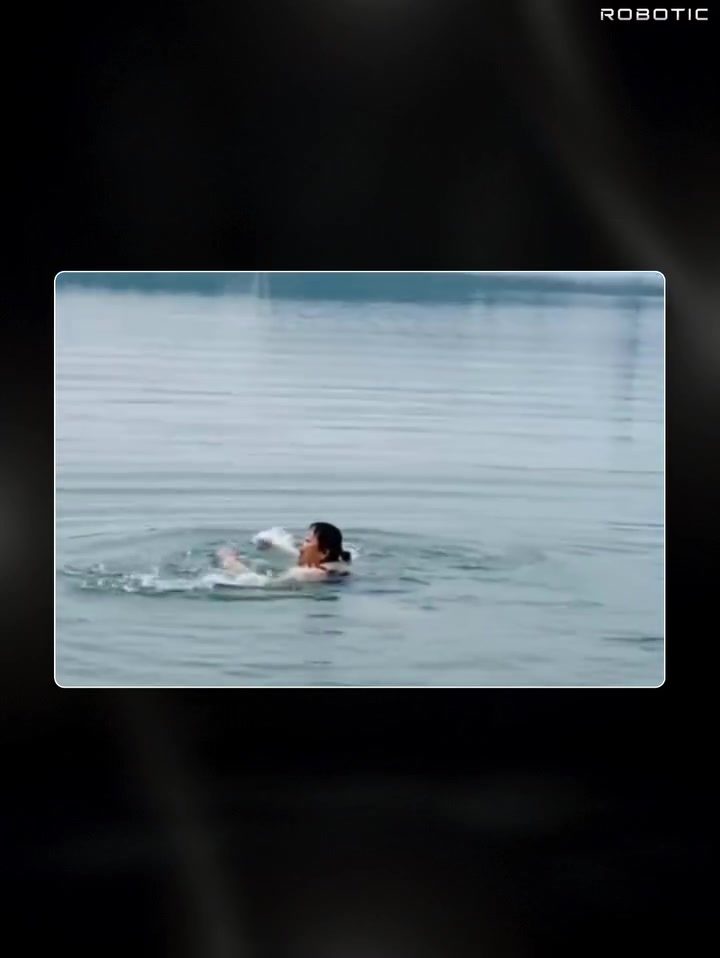
Robotic Water Rescue Devices
Water emergencies pose significant challenges for rescue teams, requiring quick and efficient responses to save lives. Robotic water rescue devices are revolutionizing this field by providing faster and safer methods to reach people in distress.
Context - Why This Matters
Water incidents, whether they occur in open waters or even swimming pools, demand immediate and effective intervention. Rescue robots, particularly those designed for water emergencies, are becoming essential tools for emergency teams. These devices can navigate challenging conditions, quickly reach distressed individuals, and provide critical support until human rescuers arrive.
The Evolution of Rescue Robots
The Role of Rescue Robots
Rescue robots are instrumental in situations where human intervention might be too risky or time-consuming. They are equipped with advanced technologies that enable them to operate in harsh conditions, making them ideal for search and rescue missions in water.
The Dolphin 3: OceanAlpha's Innovative Rescue Robot
Developed by OceanAlpha, the Dolphin 3 is a notable example of a rescue robot designed to enhance water rescue operations. This intelligent device can travel at speeds up to 20 km/h, equipped with GPS navigation, HD cameras, self-righting capabilities, and an auto-return function. These features allow it to operate efficiently even in challenging conditions, providing flotation support and towing capabilities to bring people to safety.
How Rescue Robots Work
Speed and Efficiency
The primary advantage of rescue robots is their speed. They can quickly reach individuals in distress, reducing the time it takes to offer support. The Dolphin 3, for instance, can travel at high speeds, ensuring that assistance arrives as soon as possible.
Safety Features
Robots like the Dolphin 3 are designed with safety in mind. They include GPS navigation to pinpoint locations accurately, HD cameras to provide real-time visuals for rescue teams, and self-righting capabilities to stay operational even if they capsize. Additionally, the auto-return function ensures that the robot can safely return to base if necessary.
Reducing Human Risk
One of the most significant benefits of using rescue robots is the reduction in risk to human rescuers. By deploying robots into dangerous waters first, emergency teams can assess the situation and plan their intervention more effectively, minimizing the need for immediate human entry into hazardous conditions.
Practical Tips for Using Rescue Robots
Training and Preparation
Rescue teams must undergo comprehensive training to effectively utilize rescue robots. Understanding the robot's capabilities, limitations, and operational procedures is crucial for successful deployment.
Maintenance and Upkeep
Regular maintenance is essential to ensure that rescue robots remain in optimal working condition. This includes routine checks, software updates, and repairs as needed.
Integration with Emergency Response Plans
Incorporating rescue robots into existing emergency response plans can significantly improve rescue operations. Teams should practice drills that include the use of robots, ensuring that they are integrated seamlessly into the overall response strategy.
Communication and Coordination
Effective communication and coordination between rescue teams and the robots are vital. Teams should use the HD cameras and real-time data provided by the robots to make informed decisions and coordinate their efforts efficiently.
Important Takeaways
Robotic water rescue devices, such as the Dolphin 3, are transforming the way emergency teams respond to water emergencies. Their speed, efficiency, and advanced safety features make them invaluable tools for saving lives. By reducing the need for immediate human intervention in dangerous waters, these robots enhance response times and increase the chances of a successful rescue.
Conclusion
The advent of robotic water rescue devices represents a significant advancement in emergency response technology. As these technologies continue to evolve, they will undoubtedly play an even more critical role in saving lives during water emergencies. By leveraging the capabilities of devices like the Dolphin 3, emergency teams can respond more effectively to life-threatening situations, ensuring that those in distress receive the help they need as quickly and safely as possible.
Watch the Reel
Questions readers ask
How do robotic water rescue devices enhance emergency response in life-threatening situations?
Robotic water rescue devices, such as the Dolphin 3, enhance emergency response by providing swift and reliable support. They can quickly navigate challenging water conditions and reach individuals in distress, even in situations where human responders might face difficulties.
What are the key features that make the Dolphin 3 effective in water rescue missions?
The Dolphin 3 is equipped with GPS navigation, HD cameras, and self-righting capabilities. These features allow it to efficiently navigate through various water environments, locate individuals in need, and ensure that it remains operational even if it capsizes.
Can robotic water rescue devices be used in both open waters and confined spaces like swimming pools?
Yes, these devices are designed to be versatile and can operate in various environments, including open waters and confined spaces. Their ability to navigate different conditions makes them invaluable for a wide range of water rescue scenarios.
What is the process for deploying a robotic water rescue device in an emergency?
The deployment process involves launching the robot into the water, activating its navigation system, and using its cameras to locate the person in distress. Once the individual is found, the robot can provide immediate support and guide human responders to the exact location.
Related deep dives
Similar reads based on topic and creator.



Recent articles
Fresh deep dives from the latest Reels we unpacked.




Comments
Be the first to comment.