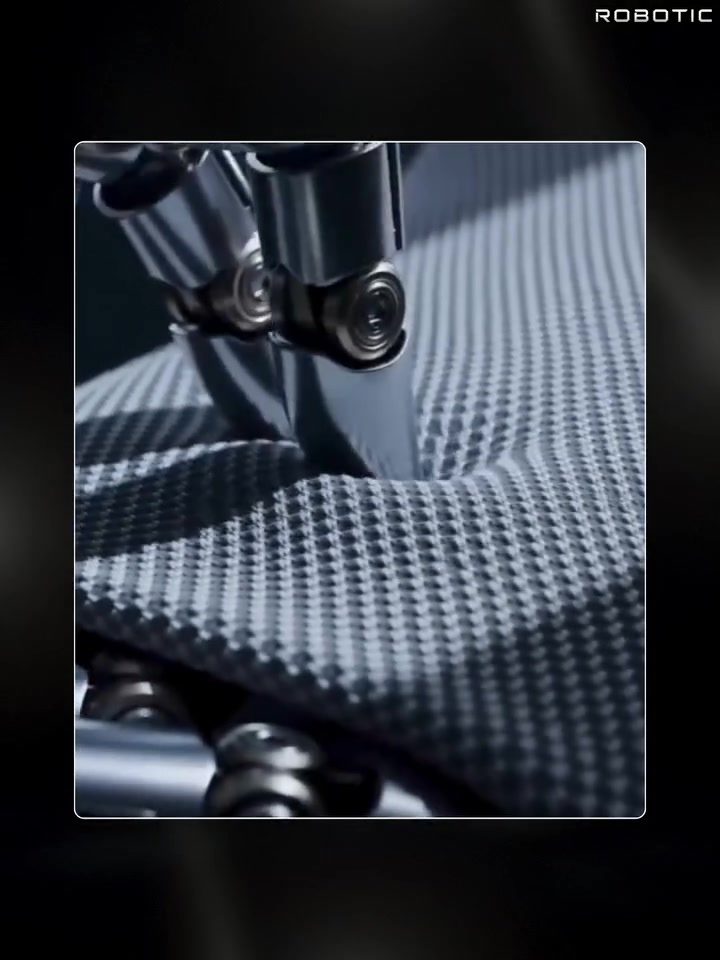
Robotic Gloves: The Future of Humanoid Robotics
Robotic gloves, particularly those developed by companies like roboticChina’s KNITREA, are revolutionizing the field of humanoid robotics. These advanced gloves are designed to provide a more natural, durable, and human-like outer layer for robots. The seamless knitting technology used in these gloves allows for flexibility and the ability to stretch in multiple directions, making them ideal for fitting complex robotic shapes.
Context / Why This Matters
As humanoid robots become more advanced, the need for technologies that enhance their durability, movement, and appearance becomes crucial. Robotic gloves play a significant role in making humanoid robots more practical and capable of interacting safely with people. These gloves are not just about aesthetics; they are essential for improving the functionality and resilience of robots in real-world environments.
Main Discussion
The Development of Robotic Gloves
The development of robotic gloves involves cutting-edge technology and innovative materials. Companies like roboticChina’s KNITREA are at the forefront of this innovation. Their RoboSkin is a prime example of how seamless knitting technology can be used to create flexible and durable robotic gloves. These gloves are designed to mimic the properties of human skin, providing a more natural appearance and feel.
Material and Flexibility
One of the key features of robotic gloves is their material and flexibility. The lightweight material used in these gloves is designed to improve durability and movement. The ability to stretch in multiple directions allows the gloves to fit complex robotic shapes, making them versatile for various applications. This flexibility is crucial for robots that need to perform tasks requiring precise and delicate movements.
Applications and Benefits
Robotic gloves have a wide range of applications in the field of robotics. They can be used in industrial settings, healthcare, and even in everyday consumer products. In industrial settings, robotic gloves can enhance the performance of robots by providing a more durable and flexible outer layer. In healthcare, these gloves can be used in medical robots to perform delicate surgical procedures with precision and accuracy. For everyday consumer products, robotic gloves can make robots more interactive and user-friendly.
Integration with Robotic Arms
Robotic gloves are often integrated with robotic arms to enhance their functionality. The seamless fit and flexibility of the gloves allow for a more natural and fluid movement of the robotic arm. This integration is crucial for tasks that require precision and dexterity, such as handling fragile objects or performing complex maneuvers.
Improving Human-Robot Interaction
One of the most significant benefits of robotic gloves is their ability to improve human-robot interaction. The natural and human-like appearance of these gloves makes robots more relatable and approachable. This is particularly important in settings where robots need to interact with people, such as in customer service or healthcare. The durability and flexibility of the gloves also ensure that robots can operate safely and effectively in various environments.
Practical Tips
Choosing the Right Robotic Glove
When choosing a robotic glove, it is essential to consider the specific needs of your application. Look for gloves that are made from lightweight and durable materials. The ability to stretch in multiple directions is also crucial for fitting complex robotic shapes. Additionally, consider the integration capabilities of the glove with other robotic components, such as robotic arms.
Maintenance and Care
Proper maintenance and care are essential for ensuring the longevity and performance of robotic gloves. Regularly inspect the gloves for any signs of wear and tear. Clean and lubricate the gloves as recommended by the manufacturer. Proper storage and handling can also extend the lifespan of the gloves.
Upgrading and Customization
Many robotic gloves can be customized and upgraded to meet specific needs. Consider the possibility of adding sensors or other components to enhance the functionality of the gloves. Customization can also help in achieving a more natural and human-like appearance for the gloves, making them more suitable for specific applications.
Training and Optimization
Training and optimization are crucial for ensuring that robotic gloves perform optimally. Work with robotic experts to understand the best practices for using and maintaining the gloves. Regular updates and modifications can also help in improving the performance and durability of the gloves.
Important Takeaways
Robotic gloves are a critical component in the development of advanced humanoid robots. Their flexibility, durability, and natural appearance make them ideal for a wide range of applications. As technology continues to evolve, the role of robotic gloves in enhancing human-robot interaction and improving the functionality of robots will only become more significant.
Conclusion
The development of robotic gloves represents a significant advancement in the field of robotics. Companies like roboticChina’s KNITREA are leading the way in creating flexible, durable, and natural-looking robotic skin. As humanoid robots become more integrated into society, the importance of technologies like robotic gloves will only continue to grow. By enhancing the durability, movement, and appearance of robots, these gloves play a crucial role in making robots more practical and capable of interacting safely with people.
Watch the Reel
Questions readers ask
What makes robotic gloves from KNITREA innovative?
KNITREA's robotic gloves stand out due to their seamless knitting technology, which ensures flexibility and durability. This design mimics human skin, allowing for natural, multi-directional stretching, and is particularly well-suited for fitting complex robotic shapes.
How do robotic gloves improve humanoid robotics?
Robotic gloves enhance humanoid robotics by providing a more natural and durable outer layer. This improves the robots' movement, durability, and ability to interact safely with people, making them more practical for real-world applications.
What are the benefits of using flexible robot skin in humanoid robots?
Flexible robot skin, such as that used in KNITREA's gloves, allows humanoid robots to move more naturally and interact with their environment more effectively. This flexibility also contributes to the robots' durability and safety, making them better suited for various applications.
In what ways do robotic gloves enhance robot interaction capabilities?
Robotic gloves enhance interaction capabilities by providing a more human-like outer layer. This makes robots safer and more approachable for human interaction. The flexibility and durability of these gloves also allow for more natural and expressive movements, improving overall interaction.
Why is the durability of robotic gloves important in humanoid robotics?
Durable robotic gloves are crucial for humanoid robotics because they need to withstand frequent use and potential wear and tear. The durable materials used in gloves like KNITREA’s ensure that the robots remain functional and safe over time, reducing the need for frequent repairs or replacements.
How do robotic gloves contribute to the practicality of humanoid robots in real-world applications?
Robotic gloves contribute to practicality by making humanoid robots more robust, versatile, and capable of handling a wide range of tasks. The gloves' ability to mimic human skin and movements allows robots to perform delicate tasks and interact safely with people in real-world settings.
What are some real-world applications of robotic gloves in humanoid robotics?
Real-world applications of robotic gloves include service robots in hospitals, retail assistants, and customer service robots in public spaces. These gloves enable robots to handle tasks that require a human-like touch, such as assisting with daily activities or providing support in social settings.
Related deep dives
Similar reads based on topic and creator.



Recent articles
Fresh deep dives from the latest Reels we unpacked.




Comments
Be the first to comment.