Incinerating Toilets: A Revolutionary Waste Solution
Incinerating toilets offer a radical departure from traditional plumbing systems. Rather than flushing waste with water, these innovative toilets burn waste into ash, providing a unique solution for locations where water is scarce.
Why Incinerating Toilets Matter
The appeal of incinerating toilets lies in their efficiency and environmental impact. By eliminating the need for water, these toilets are particularly advantageous for remote living situations, such as RVs, yachts, and off-grid cabins. They also reduce the strain on local water supplies and sewer systems, making them an attractive option for environmentally conscious individuals.
How Incinerating Toilets Work
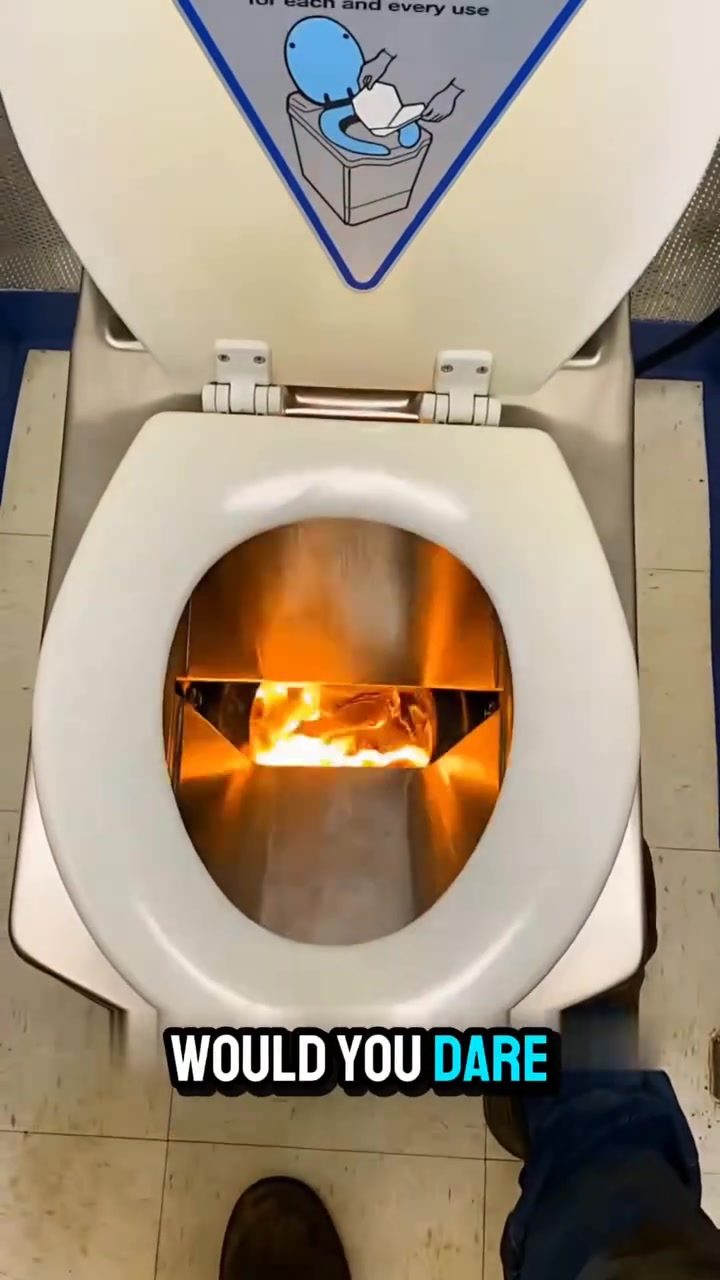
The process begins with a disposable liner placed inside the stainless steel bowl. This liner is crucial for maintaining hygiene and ensuring that waste is properly contained. After use, activating a foot pedal opens an inner flap, allowing the liner and waste to drop into a sealed combustion chamber.
The Combustion Process
Heating elements within the combustion chamber rapidly reach temperatures up to 1,000 degrees Celsius. The initial phase involves drying out the waste, which prepares it for complete incineration. Any smoke generated during this process is first filtered through a purification system to eliminate harmful emissions before being released into the environment. The entire incineration cycle takes approximately 30 minutes, resulting in a small amount of ash that can be easily disposed of later.
Benefits and Applications
Water Conservation
One of the most significant advantages of incinerating toilets is their minimal water usage. Traditional toilets can consume a substantial amount of water per flush, whereas incinerating toilets eliminate this need entirely. This makes them ideal for regions experiencing water shortages or droughts.
Environmental Impact
By incinerating waste, these toilets reduce the volume of waste that needs to be disposed of. This not only decreases the burden on landfills but also mitigates the risk of groundwater contamination.
Off-Grid Living
For those living in remote or off-grid locations, incinerating toilets provide a reliable and self-sufficient waste management solution. Whether in an RV, yacht, or cabin, these toilets offer a convenient and hygienic way to handle waste without access to traditional plumbing infrastructure.
Practical Tips for Using Incinerating Toilets
Regular Maintenance
Like any advanced system, incinerating toilets require regular maintenance to ensure optimal performance. This includes cleaning the bowl, checking the heating elements, and emptying the ash container.
Proper Disposal of Liners
Since the liners are disposable, it's essential to dispose of them correctly. While some models provide biodegradable liners, always follow the manufacturer’s guidelines for disposal to minimize environmental impact.
Monitoring the System
Keeping an eye on the purification system is crucial. Ensure that the filters are clean and functioning correctly to prevent the release of harmful emissions.
Important Takeaways
Incinerating toilets represent a forward-thinking solution for waste management. Their ability to eliminate the need for water and drastically reduce waste volume makes them an eco-friendly and efficient alternative to traditional toilets. The convenience and practicality of these systems are unmatched, particularly for those in remote or off-grid living situations.
Conclusion
Incinerating toilets offer a groundbreaking solution for modern waste management. By burning waste into ash, they eliminate the need for water, reduce environmental impact, and provide a reliable option for off-grid living. Whether in an RV, yacht, or remote cabin, these toilets are a practical and innovative choice for those seeking a more sustainable and efficient waste management system.
Watch the Reel
Questions readers ask
How do incinerating toilets differ from conventional toilets?
Incinerating toilets differ from conventional toilets by using heat to burn waste into ash instead of water to flush waste into a sewer system. This process makes them ideal for locations with limited or no access to water, such as remote cabins or boats. They also reduce the strain on local water supplies and sewer systems.
What are the benefits of using an incinerating toilet?
The primary benefits include water conservation, reduced environmental impact, and suitability for remote or off-grid living. They also minimize unpleasant odors and eliminate the need for septic tanks or sewer connections.
Are incinerating toilets safe to use?
Yes, incinerating toilets are designed with safety features to prevent accidents. They have mechanisms to ensure complete combustion of waste and often include ventilation systems to disperse any fumes. However, it's essential to follow the manufacturer's guidelines for safe and effective use.
What happens to the ash produced by incinerating toilets?
The ash produced is sterile and can be disposed of in regular trash or used as fertilizer, as it is rich in nutrients. However, it's important to check local regulations regarding the disposal of ash from incinerating toilets.
Can incinerating toilets be used in urban areas?
While incinerating toilets are more commonly used in remote or off-grid settings, they can be used in urban areas as well. However, they may not be suitable for high-density urban environments due to potential noise and fume concerns, as well as local regulations.
How much energy do incinerating toilets consume?
The energy consumption of incinerating toilets varies by model, but typically, they require electricity to power the heating elements and fans. Some models may also have solar power options to reduce reliance on traditional power sources. Incinerating toilets tend to use less water than traditional toilets, but they do require electricity, so it's important to factor in energy usage when considering their suitability for your needs.
Recent articles
Fresh deep dives from the latest Reels we unpacked.




Comments
Be the first to comment.