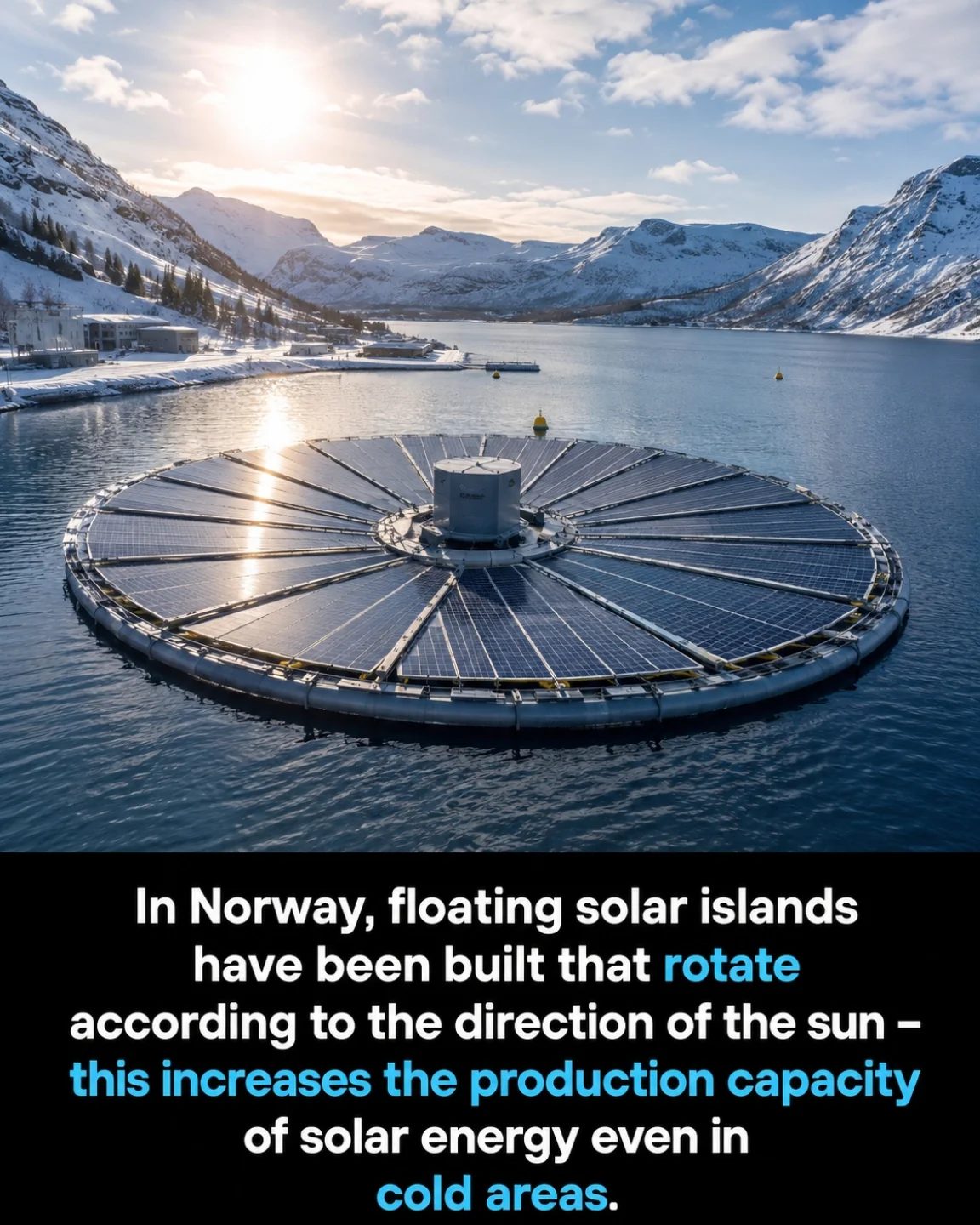
Floating Solar Islands: Harnessing Sun Power on Water
Floating solar islands are an innovative approach to renewable energy generation, particularly in regions where land space is limited or expensive. Recently, Norway has taken a significant step in this direction by developing floating solar islands that not only generate clean energy but also optimize production through a unique rotational design.
Why Floating Solar Islands Matter
Floating solar islands offer several advantages over traditional land-based solar farms. They utilize open water surfaces, such as reservoirs, lakes, and even the ocean, which are often underutilized. This makes them an attractive option for countries with limited land availability or high land costs. Moreover, floating solar panels can help reduce evaporation from water bodies, conserving water resources in arid regions.
In Norway, the floating solar islands are designed to maximize energy production, even in cold climates. This is achieved through a rotational mechanism that tracks the sun's movement throughout the day. By adjusting the angle of the solar panels to follow the sun, these islands can generate more energy compared to stationary panels.
The Benefits of Rotational Design
The rotational design of Norway's floating solar islands is a key feature that sets them apart from other solar installations. Let's break down the benefits of this innovative approach:
Increased Energy Production
By rotating to follow the sun's path, the solar panels on these islands can capture more sunlight throughout the day. This means that even in colder regions with fewer daylight hours, the islands can produce a significant amount of energy. The increased production capacity makes floating solar islands a viable option for areas where traditional solar farms might not be as effective.
The design allows the solar panels to face the sun directly, maximizing the amount of sunlight they absorb. This direct sunlight exposure is crucial for generating electricity efficiently, especially in regions with lower average temperatures.
Space Efficiency
Floating solar islands utilize water surfaces that would otherwise go unused. This is particularly beneficial in Norway, where land is often scarce or expensive. By installing solar panels on water, these islands free up valuable land for other purposes, such as agriculture or residential development. This spatial efficiency is a significant advantage in densely populated areas or regions with limited arable land.
Environmental Benefits
In addition to generating clean energy, floating solar islands offer environmental benefits. The panels can help reduce water evaporation from reservoirs and lakes, conserving valuable water resources. This is particularly important in areas experiencing droughts or water scarcity. Moreover, the shade provided by the floating panels can help reduce algae growth and improve water quality.
Practical Tips for Implementing Floating Solar Islands
Implementing floating solar islands involves several practical considerations. Here are some tips to help ensure a successful project:
Site Selection and Planning
Choose the right location for your floating solar island. Ensure that the water body is stable and free from strong currents or waves that could disrupt the installation. Consider factors such as water depth, weather patterns, and environmental regulations.
Structural Design
Design the floating platform to be durable and stable. Use high-quality materials that can withstand exposure to water and varying weather conditions. Ensure that the platform is designed to accommodate the weight and movement of the solar panels.
Solar Panel Selection
Choose solar panels that are suitable for marine environments. They should be resistant to corrosion and able to withstand exposure to saltwater, if applicable. Consider panels with high efficiency ratings to maximize energy production.
Rotational Mechanism
Implement a reliable rotational mechanism that can track the sun's movement accurately. Use programmable controllers and sensors to adjust the angle of the panels in real-time. Ensure that the mechanism is robust and can withstand various weather conditions.
Monitoring and Maintenance
Regularly monitor the performance of your floating solar island. Use remote monitoring systems to track energy production, panel efficiency, and overall system health. Schedule routine maintenance to clean the panels, inspect the rotational mechanism, and address any issues promptly.
Important Takeaways
Floating solar islands represent a forward-thinking approach to renewable energy generation. By harnessing the power of the sun on water surfaces, these installations can maximize energy production, conserve water resources, and optimize land use.
In Norway, the innovative rotational design of floating solar islands ensures high energy output, even in cold climates. This makes them a reliable and efficient solution for regions with limited sunlight and harsh weather conditions.
Conclusion
Floating solar islands offer a promising solution for countries looking to expand their renewable energy infrastructure. By combining the benefits of solar power with the advantages of water-based installations, these islands can generate clean energy, conserve water, and optimize land use. As technology continues to advance, floating solar islands are poised to play a crucial role in the global transition to sustainable energy.
Watch the Reel
Questions readers ask
How do floating solar islands work in cold climates like Norway?
Floating solar islands in Norway are designed to withstand cold climates and even harness solar energy more efficiently. The unique rotational design of these islands allows the solar panels to follow the sun's trajectory, maximizing energy production throughout the day and in various weather conditions. This innovative approach ensures consistent energy generation, even in lower light conditions typical of colder regions.
What are the benefits of using open water surfaces for solar energy generation?
Utilizing open water surfaces for floating solar islands provides numerous benefits. It allows for the installation of solar panels in areas where land is scarce or expensive, such as urban centers or mountainous regions. Additionally, water surfaces can help cool the solar panels, improving their efficiency and lifespan. This approach also minimizes the environmental impact of solar farms on land ecosystems.
How does the rotational design of floating solar islands enhance energy production?
The rotational design of floating solar islands enables the solar panels to track the sun's movement throughout the day. By adjusting the angle and orientation of the panels, the system can capture more sunlight, significantly increasing energy production. This dynamic design ensures that the solar panels are always positioned for optimal sunlight exposure, making the most of available solar energy.
What environmental benefits do floating solar islands offer?
Floating solar islands contribute to environmental sustainability by generating clean, renewable energy. By reducing the need for land-based solar farms, they help preserve natural habitats and reduce the risk of deforestation. Additionally, these floating systems can decrease evaporation from water bodies, contributing to water conservation efforts. Their ability to produce energy without emitting greenhouse gases makes them a valuable component of Norway's renewable energy strategy.
Are there any challenges associated with implementing floating solar technology?
While floating solar islands offer numerous advantages, there are some challenges to consider. These include the initial cost of installation, the need for robust engineering to ensure durability in various water conditions, and the potential impact on local ecosystems. However, advancements in floating solar technology are continually addressing these challenges, making the technology increasingly viable and cost-effective.
Can floating solar islands be integrated with other renewable energy sources?
Yes, floating solar islands can be integrated with other renewable energy sources to create a more resilient and efficient energy system. For example, they can be combined with wind turbines or hydroelectric systems to provide a diversified energy portfolio. This integration helps balance energy production during different times of the day and weather conditions, ensuring a more stable and reliable supply of renewable energy.
Related deep dives
Similar reads based on topic and creator.

Recent articles
Fresh deep dives from the latest Reels we unpacked.




Comments
Be the first to comment.