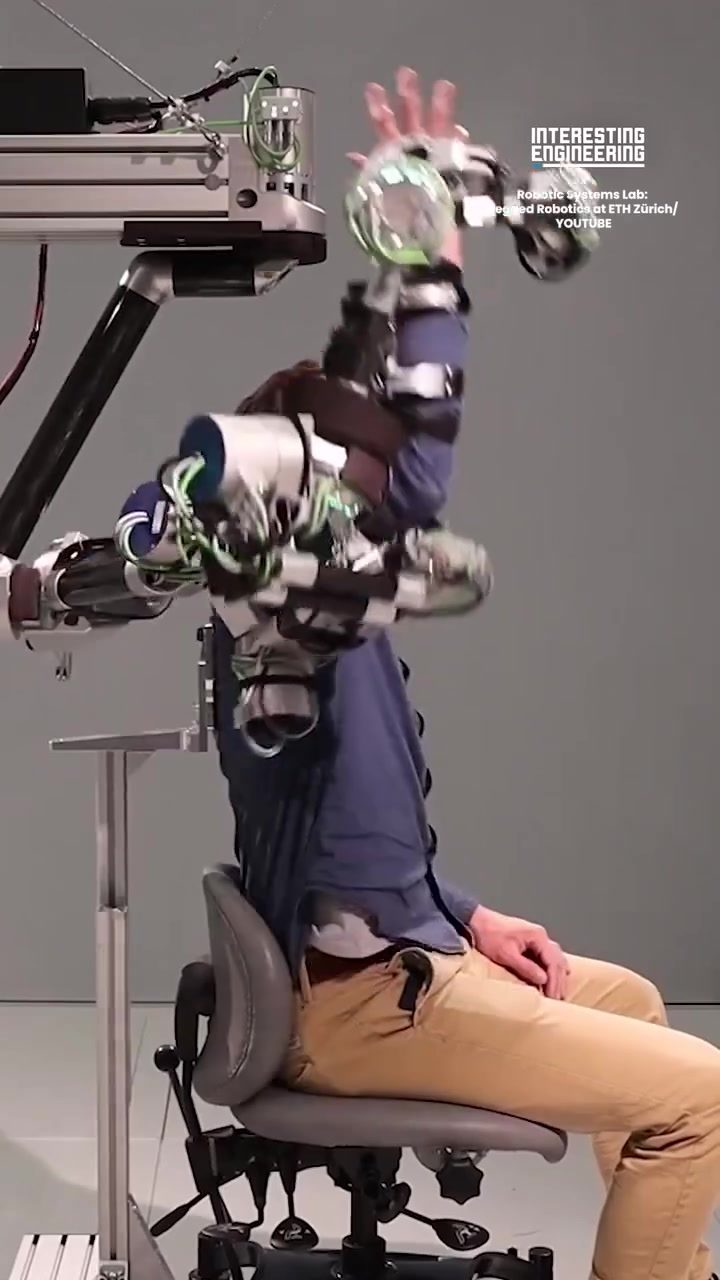
Robotic Exoskeletons in Neurological Recovery
Robotic exoskeletons are revolutionizing the field of neurological rehabilitation. These advanced devices, like Anyexo, are designed to provide high-intensity, adaptive therapy for patients recovering from neurological injuries, such as stroke. Developed at ETH Zurich, Anyexo is a prime example of how cutting-edge technology is being used to improve outcomes for patients seeking neurological recovery.
Context / Why This Matters
Neurological recovery is a complex process that often requires intensive, repetitive motions. Traditional therapy methods can be time-consuming and may not always provide the precise, controlled movements necessary for optimal recovery. This is where robotic exoskeletons come into play. By offering controlled, compliant actuators and multiple degrees of freedom, these devices can deliver high-intensity, adaptive therapy tailored to the needs of individual patients.
The Technology Behind Robotic Exoskeletons
Torque-Controlled Actuators
One of the key features of Anyexo is its use of torque-controlled, compliant actuators. These actuators allow the exoskeleton to adapt to the user's movements in real-time, providing the precise level of assistance needed during rehabilitation exercises. This adaptability ensures that patients receive the right amount of support without compromising the efficacy of their therapy.
Multiple Degrees of Freedom
The exoskeleton's multiple degrees of freedom mean that it can mimic the natural movements of the human arm with high precision. This capability is crucial for rehabilitation, as it allows patients to perform a wide range of movements that are essential for regaining functional abilities. Whether it's grasping an object, lifting an arm, or performing more complex tasks, the exoskeleton can assist with the necessary motions.
Adaptive Therapy
Anyexo is designed to provide adaptive, high-intensity rehabilitation therapy. This means that the device can adjust the level of assistance and resistance based on the patient's progress and needs. For example, as a patient gains strength and coordination, the exoskeleton can increase the resistance to challenge the patient further. This adaptive approach ensures that therapy remains effective and challenging, promoting continuous improvement.
Applications in Neurological Recovery
Stroke Rehabilitation
Stroke patients often experience significant loss of motor function, making daily activities challenging. Robotic exoskeletons like Anyexo can assist in stroke rehabilitation by providing the controlled, repetitive movements necessary for regaining muscle strength and coordination. The exoskeleton can help patients perform exercises that would be difficult or impossible to do on their own, accelerating their recovery process.
Neurological Injuries
Beyond stroke, robotic exoskeletons have the potential to aid in the recovery from a wide range of neurological injuries, including spinal cord injuries, traumatic brain injuries, and other conditions that affect motor function. By providing adaptive, high-intensity therapy, these devices can help patients regain functional abilities and improve their quality of life.
Practical Tips for Using Robotic Exoskeletons
When considering the use of a robotic exoskeleton for neurological rehabilitation, there are several practical tips to keep in mind:
-
Consult a Healthcare Professional: Before beginning any new therapy regimen, it's essential to consult with a healthcare professional. They can assess your needs and determine if a robotic exoskeleton is the right choice for your recovery.
-
Customize the Settings: Robotic exoskeletons come with adjustable settings that can be customized to fit the user's specific needs. Work with a therapist to tailor the device's settings for optimal results.
-
Incorporate Regular Exercises: Consistency is key in rehabilitation. Incorporate regular exercises using the exoskeleton into your daily routine to see the best results.
-
Monitor Progress: Keep track of your progress and adjust the therapy as needed. Regular check-ins with a healthcare provider can help ensure that you are making the necessary improvements.
-
Combine with Other Therapies: Robotic exoskeletons can be a valuable addition to a comprehensive rehabilitation plan that includes other therapies, such as physical therapy and occupational therapy.
Important Takeaways
- Adaptive and High-Intensity Therapy: Robotic exoskeletons like Anyexo provide adaptive, high-intensity therapy tailored to the individual needs of the patient.
- Precision and Control: The use of torque-controlled, compliant actuators ensures precise, controlled movements that are essential for effective rehabilitation.
- Multiple Applications: These devices have the potential to aid in the recovery from a wide range of neurological injuries, including stroke and spinal cord injuries.
Conclusion
Robotic exoskeletons represent a significant advancement in the field of neurological rehabilitation. With their ability to provide adaptive, high-intensity therapy, these devices offer new hope for patients seeking to regain functional abilities. By incorporating these innovative tools into rehabilitation plans, patients can benefit from more effective and efficient recovery processes, ultimately improving their quality of life. As technology continues to evolve, the potential for robotic exoskeletons in medical applications looks increasingly promising.
Watch the Reel
Questions readers ask
What makes Anyexo different from traditional rehabilitation methods?
Anyexo stands out due to its use of torque-controlled actuators and multiple degrees of freedom, enabling precise, natural movements that are difficult to achieve through traditional therapy. These features allow for high-intensity, adaptive therapy tailored to each patient's needs, enhancing the recovery process.
How does Anyexo assist in neurological recovery?
Anyexo aids in neurological recovery by providing a controlled, repetitive, and high-intensity workout for patients, which is crucial for regaining functional abilities. The exoskeleton supports natural movements, helping to retrain muscles and improve motor skills.
Who developed the Anyexo exoskeleton?
Anyexo was developed by the ETH Zurich robotics lab. ETH Zurich is renowned for its innovative research and development in robotics, and Anyexo is a testament to their advancements in the field of neurological rehabilitation.
What are the benefits of using a robotic exoskeleton like Anyexo for neurological patients?
Robotic exoskeletons like Anyexo offer several benefits, including the ability to provide high-intensity therapy, consistent and controlled movements, and precise adjustment to the patient's needs. These advantages can lead to more efficient and effective rehabilitation outcomes.
Can Anyexo be used for upper limb rehabilitation?
Yes, Anyexo is designed to support both upper and lower limb rehabilitation. Its advanced features, such as torque-controlled actuators, allow for precise movements in various parts of the body, making it a versatile tool for comprehensive neurological recovery.
What is the significance of adaptive therapy in neurological recovery?
Adaptive therapy is crucial in neurological recovery as it allows the treatment to adjust in real-time to the patient's progress and capabilities. This personalized approach ensures that the therapy remains challenging yet achievable, promoting better and faster recovery outcomes.
How does the technology of Anyexo contribute to natural movement rehabilitation?
Anyexo's technology, which includes multiple degrees of freedom and torque-controlled actuators, enables it to mimic natural human movements closely. This feature is essential for promoting natural movement patterns during rehabilitation, helping patients to regain functional abilities more effectively.
Related deep dives
Similar reads based on topic and creator.


Recent articles
Fresh deep dives from the latest Reels we unpacked.




Comments
Be the first to comment.