3D-printed Train Stations: A New Era in Architecture
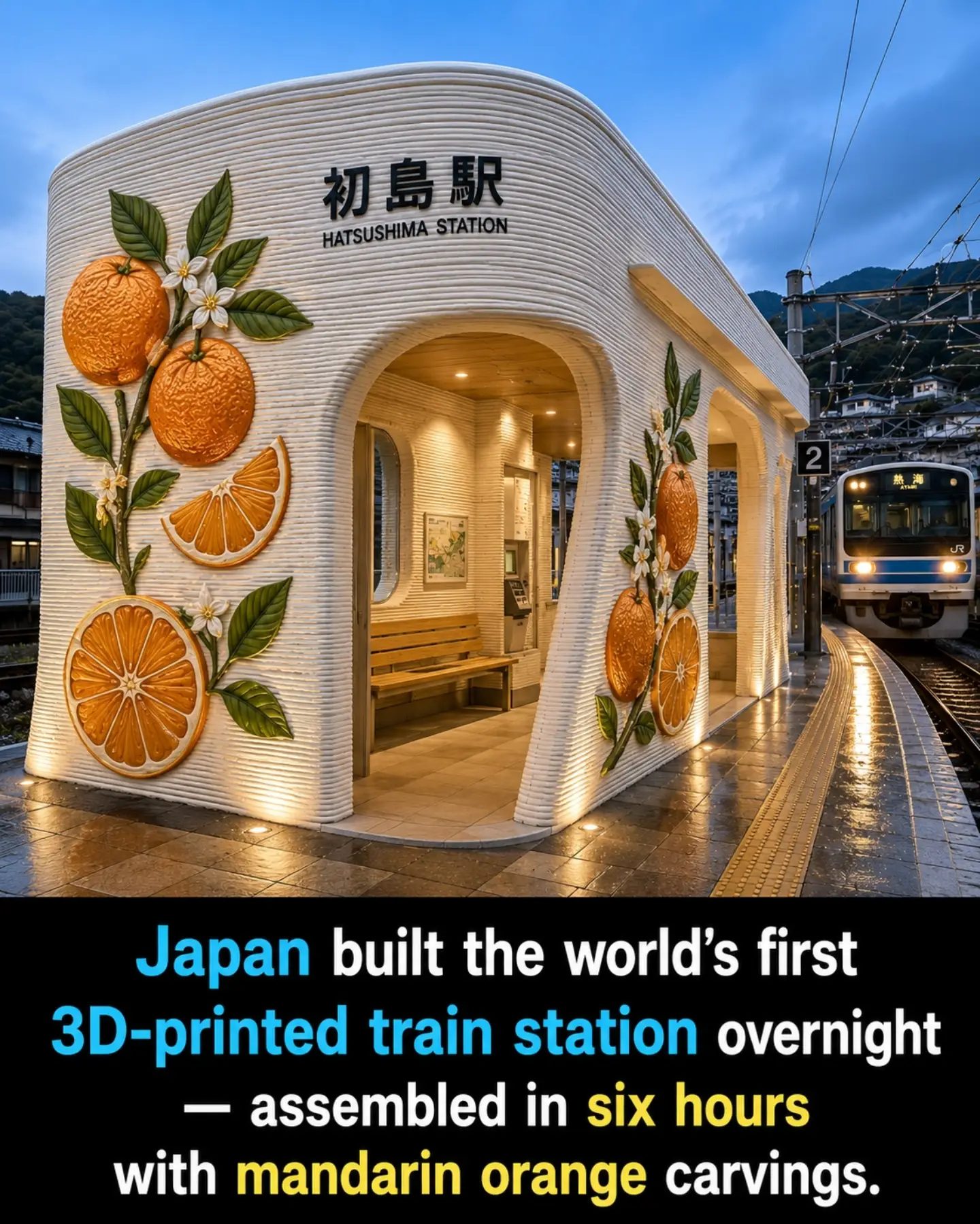
Hatsushima Station, nestled in Japan, stands as a testament to the future of architecture. It is the world's first 3D-printed train station, showcasing an innovative construction technique that allows for rapid assembly and intricate design elements. This station is not just an engineering marvel; it is a glimpse into the future of infrastructure development.
Why This Matters
The advent of 3D-printed train stations signifies a monumental shift in the architecture and construction industries. Traditional construction methods are time-consuming, labor-intensive, and often yield less aesthetically pleasing results. 3D printing, however, offers a solution to these challenges. It enables the creation of complex structures with precision and speed, making it a viable option for large-scale projects like train stations.
The Innovative Construction of Hatsushima Station
Speed and Efficiency
One of the most striking features of Hatsushima Station is the speed at which it was constructed. The entire station was assembled in just six hours, a feat that would be almost unimaginable with traditional construction methods. This rapid assembly is made possible by 3D printing technology, which allows for the layering of materials to create structures quickly and efficiently.
Aesthetic Design
In addition to its speedy construction, Hatsushima Station is also notable for its aesthetic design. The station is adorned with intricate carvings of mandarin oranges. These carvings not only add to the station's visual appeal but also pay homage to the local culture, demonstrating how 3D printing can be used to integrate traditional elements into modern architecture.
The Benefits of 3D-Printed Train Stations
Cost-Effectiveness
3D printing technology can significantly reduce the cost of construction. By eliminating the need for large-scale labor and reducing material waste, 3D-printed structures can be more cost-effective than traditional builds. This makes it an attractive option for infrastructure projects, particularly in regions where labor costs are high.
Environmental Impact
In addition to cost savings, 3D printing also has a positive environmental impact. The technology allows for the precise use of materials, minimizing waste. Furthermore, 3D printers can use recycled materials, further reducing their environmental footprint. This makes 3D-printed train stations a more sustainable option for the future.
Practical Tips for Implementing 3D-Printed Structures
Planning and Design
When considering a 3D-printed structure, thorough planning and design are crucial. The digital design process can be highly precise, allowing for the creation of intricate details and ensuring that the final product meets all necessary specifications. Architects and engineers should collaborate closely to ensure that the design is both functional and aesthetically pleasing.
Material Selection
Choosing the right materials is essential for the success of a 3D-printed structure. The material should be durable and suitable for the intended use. It should also be compatible with the 3D printing process, ensuring that the final product is strong and stable. Additionally, considering the environmental impact of the materials used is important for sustainability.
Expertise and Technology
Implementing 3D-printed structures requires a high level of expertise and access to the right technology. Collaborating with experienced 3D printing companies and investing in the necessary equipment can help ensure that the project is successful. Ongoing training and support can also be beneficial, ensuring that the technology is used to its fullest potential.
Important Takeaways
The Future of Construction
3D-printed train stations like Hatsushima Station represent the future of construction. They offer a faster, more cost-effective, and more sustainable way to build large-scale infrastructure projects. As technology continues to advance, we can expect to see more 3D-printed structures in our urban landscapes.
Cultural Integration
The intricate carvings of mandarin oranges at Hatsushima Station highlight the potential for 3D printing to integrate cultural elements into modern architecture. This fusion of traditional and contemporary design creates unique and meaningful structures that reflect local heritage.
Addressing Challenges
While 3D printing offers numerous benefits, it also presents challenges. Ensuring the durability and safety of 3D-printed structures, as well as addressing potential regulatory hurdles, will be critical for widespread adoption. Continuous innovation and collaboration will be essential for overcoming these challenges.
Conclusion
Hatsushima Station is more than just a train station; it is a symbol of the future of architecture. By embracing 3D printing technology, we can build structures that are not only functional and efficient but also beautiful and culturally significant. As we continue to innovate and push the boundaries of what is possible, 3D-printed train stations like Hatsushima Station will become a common sight around the world, transforming our urban landscapes and improving our quality of life.
Watch the Reel
Questions readers ask
What makes Hatsushima Station unique in the world of architecture?
Hatsushima Station is unique because it is the first train station globally to be constructed using 3D printing technology. This method allows for rapid assembly and the inclusion of intricate design elements that traditional construction methods might struggle to achieve.
How does 3D printing address traditional construction challenges?
3D printing offers several advantages over traditional construction methods. It is faster, more precise, and can create complex structures with ease. This technology reduces the time and labor required for construction, making it a more efficient solution for infrastructure development.
What role does cultural integration play in the design of Hatsushima Station?
Cultural integration is a key aspect of Hatsushima Station's design. The station incorporates elements that reflect Japan's rich cultural heritage, ensuring that the innovative 3D-printed structure blends seamlessly with its surroundings and resonates with the local community.
What are the benefits of using 3D printing for infrastructure development?
3D printing in infrastructure development offers numerous benefits, including speed, precision, and the ability to create intricate designs. It can also reduce waste and lower costs, making it a more sustainable and efficient option for future projects.
How does the design of Hatsushima Station compare to traditional train stations?
Hatsushima Station's design is more innovative and intricate compared to traditional train stations. The use of 3D printing allows for unique architectural features and rapid assembly, setting it apart from conventionally built stations.
Related deep dives
Similar reads based on topic and creator.

Recent articles
Fresh deep dives from the latest Reels we unpacked.




Comments
Be the first to comment.