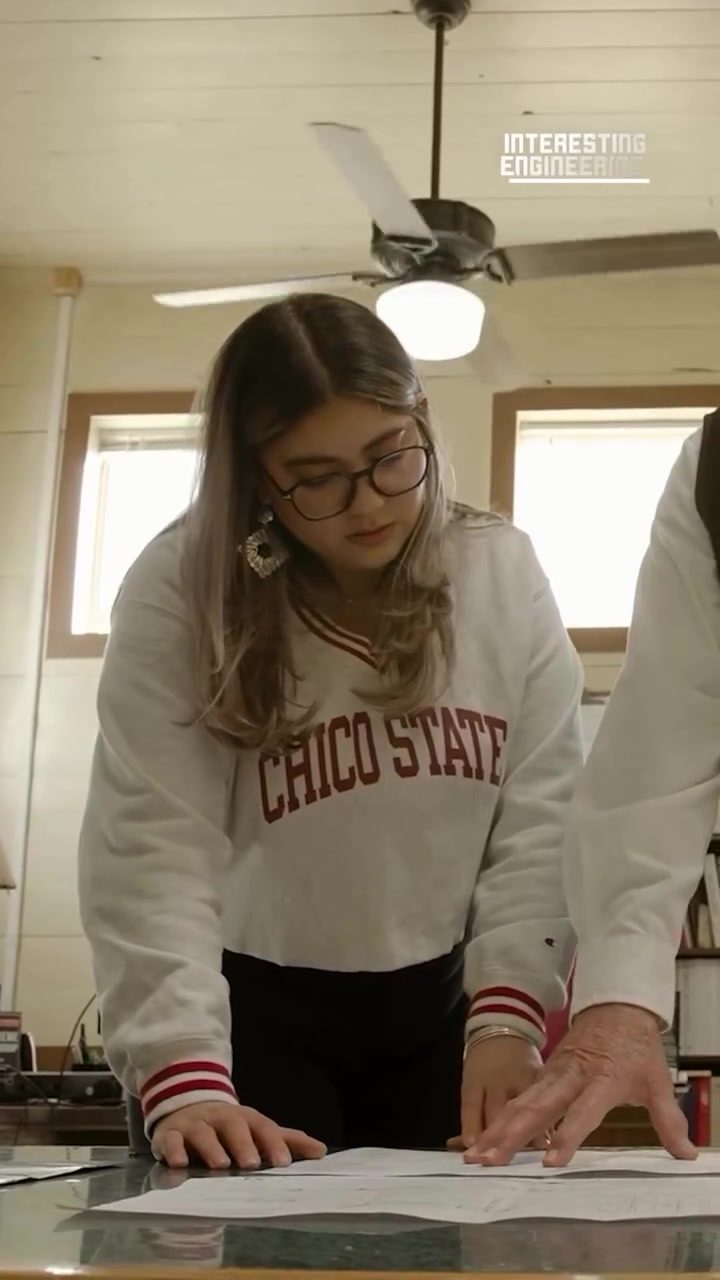
Engineering Graduates Tackle Real-World Challenges During Their Studies
Engineering education is a powerful catalyst for community change. Students often leverage their engineering skills to address real-world issues, creating tangible, beneficial impacts. Two standout examples are Siana Iniguez and Imani Mayray Ware, who applied their engineering knowledge to solve critical problems while still students.
Why This Matters
Engineering education extends beyond theoretical knowledge; it can drive concrete, measurable, and socially significant changes when applied in the real world. This approach is particularly emphasized in the California State University (CSU) system, where engineering and technology students are encouraged to engage with community projects. By doing so, they can transform classroom knowledge into practical solutions that address real-world problems.
Real-World Solutions from Engineering Students
Civil Engineering: Wasterwater System Design
Siana Iniguez, while pursuing her undergraduate studies in civil engineering, took on a significant challenge in her hometown of MacArthur, California. This rural community in Shasta County had long struggled with a lack of modern wastewater infrastructure. As part of her coursework, Iniguez designed a comprehensive wastewater treatment facility and a pipeline network. This initiative aimed to translate classroom theory into infrastructure that could materially improve residents' lives, showcasing the direct impact of engineering education.
Astrophysics and Sustainability: Eco-Friendly Housing
Imani Mayray Ware, an astrophysics student, focused on the performance of materials under extreme conditions, a field relevant to both space science and climate resilience. Rather than restricting her research to a laboratory, Ware constructed an off-grid, fully electric mobile home. This innovative project tested various eco-friendly materials under real environmental stress, merging physics, engineering design, and sustainability research. By using housing as an experimental platform, Ware demonstrated how interdisciplinary engineering can lead to significant advancements in climate adaptation.
The Role of Applied Learning
Both Iniguez and Ware's experiences highlight the value of applied learning within the CSU system. This network of 22 campuses emphasizes real-world application, encouraging students to engage in community-connected experiences. These opportunities extend technical work beyond individual projects, fostering broader engagement and collaboration. The CSU system's approach to engineering education ensures that students can apply their knowledge to create meaningful impacts on both local and global scales.
Community Engagement and Financial Support
The engineering knowledge gained by these students wasn't just a private credential; it became a tool for broader community engagement. This is evident in the work of networks like INIGES, where student ambassadors encourage access to higher education in technical fields, particularly in rural communities. Financial support also played a crucial role. For instance, Iniguez entered university with a substantial scholarship, earned as a multi-sport student-athlete, reducing financial pressure during her studies.
Practical Tips for Aspiring Engineers
1. Seek Real-World Application
Engage in projects that directly impact the community. This hands-on experience will not only enhance your technical skills but also provide a practical understanding of how engineering solutions can address real-world problems.
2. Embrace Interdisciplinary Research
Explore the intersection of different fields. Combining knowledge from various disciplines can lead to innovative solutions, as demonstrated by Ware's project merging astrophysics, engineering, and sustainability research.
3. Leverage Financial Support
Apply for scholarships and financial aid to reduce the financial burden of your education. This allows you to focus more on your studies and real-world applications without the stress of financial constraints.
4. Engage with Community
Participate in community projects and outreach programs. This engagement can widen your perspective and provide valuable experience in applying your knowledge to community needs.
5. Network and Collaborate
Build a network of peers, mentors, and professionals in your field. Collaboration can lead to new opportunities and innovative ideas, fostering a more comprehensive understanding of your field.
Important Takeaways
Understanding the Broader Impact
Engineering knowledge extends beyond personal and professional growth. It can be a powerful tool for community engagement and social impact.
The Value of Applied Learning
Applied learning models, such as those in the CSU system, encourage students to move beyond theoretical knowledge. This approach results in concrete, measurable, and socially relevant outcomes.
Financial and Community Support
Financial support and community engagement are crucial factors that enable students to fully leverage their engineering education. These factors can significantly impact the scope and success of their projects.
Conclusion
These examples illustrate the transformative power of engineering education when combined with real-world application. By engaging in community-connected work, students can create significant, measurable, and socially relevant impacts. Whether in civil engineering or astrophysics, the ability to apply knowledge in practical settings can lead to groundbreaking advancements and community improvements.
Watch the Reel
Questions readers ask
How are students like Siana Iniguez and Imani Mayray Ware making a difference in their communities through their engineering studies?
Students like Iniguez and Ware are applying their engineering knowledge to tackle real-world issues in their communities. They focus on building practical solutions to problems, transforming their classroom knowledge into tangible, beneficial impacts.
What kind of real-world issues are engineering students at the California State University (CSU) system addressing?
Engineering students at the CSU system are addressing a wide range of issues, including wastewater management, climate change solutions, and rural community problems. They work on university projects that focus on sustainable solutions and community engagement.
How does engineering education at the CSU system encourage students to engage with community projects?
The CSU system emphasizes the importance of applying engineering knowledge to real-world problems. Students are encouraged to engage with community projects, allowing them to gain practical experience and create measurable, socially significant changes.
What are some examples of applied civil engineering projects that students might work on?
Students might work on projects such as developing engineering water systems, improving wastewater management, and addressing rural community issues. These projects often involve creating sustainable solutions to enhance the quality of life in local communities.
Why are engineering students encouraged to solve real-world problems while still in school?
Solving real-world problems during their studies helps students develop practical skills and gain hands-on experience. It also fosters a sense of social responsibility and prepares them to be impactful civil engineers, ready to tackle the challenges of climate change and other environmental issues.
What are some of the benefits of engineering students working on community problems?
By working on community problems, engineering students can make a direct impact on their local areas. They gain real-world experience, develop a deeper understanding of the issues they are solving, and contribute to the betterment of society.
Related deep dives
Similar reads based on topic and creator.


Recent articles
Fresh deep dives from the latest Reels we unpacked.




Comments
Be the first to comment.