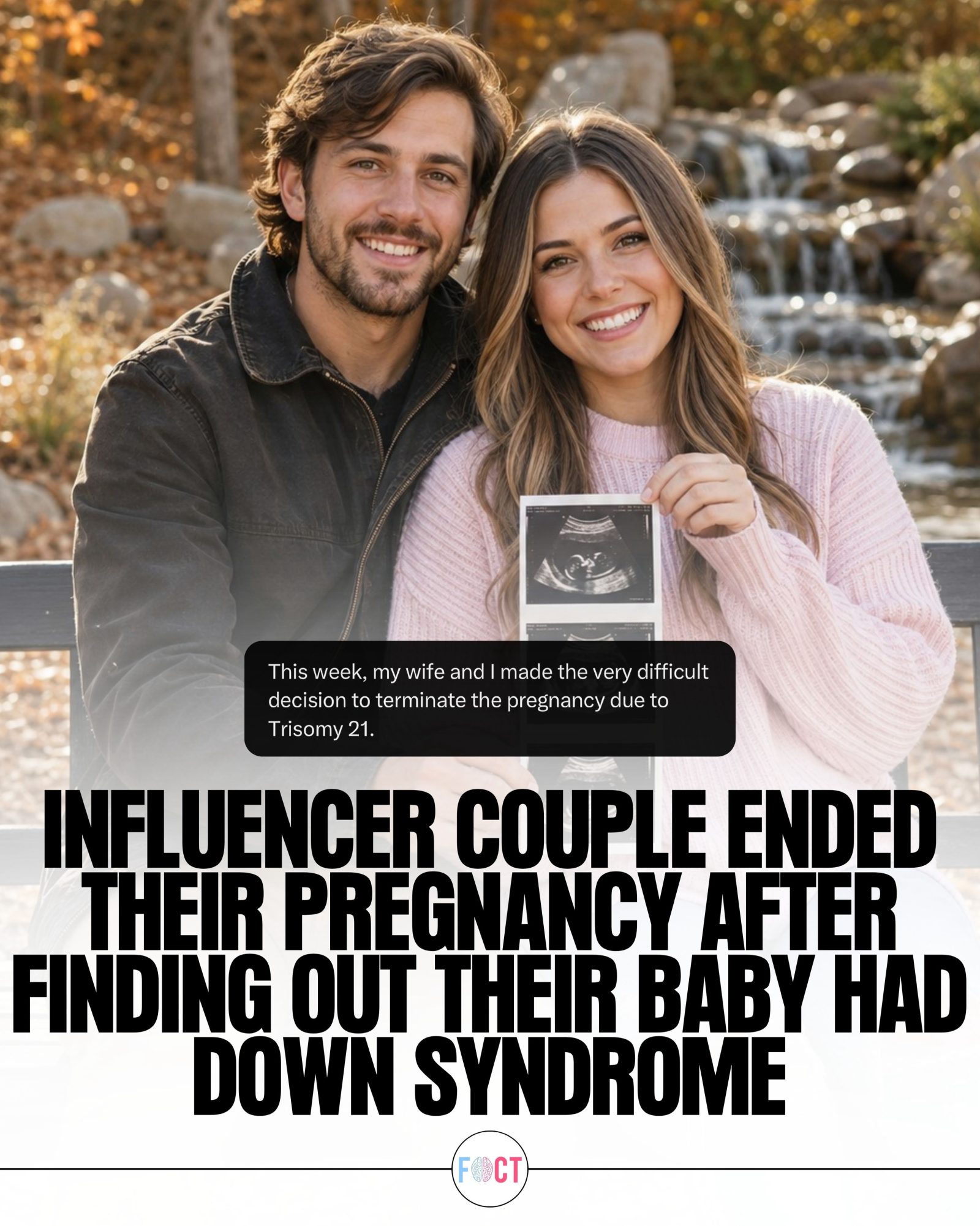
Couples and Prenatal Diagnosis
Couples facing prenatal diagnosis of a genetic condition, such as Down syndrome, often navigate complex emotions and difficult decisions. The journey of a couple who chose to terminate a pregnancy after learning their baby had Trisomy 21 (Down syndrome) has sparked intense public conversation, highlighting the personal and societal challenges that surround these choices.
The context of such decisions is pivotal in understanding the broader implications. Advance in medical technology has made it possible to detect conditions like Down syndrome early in pregnancy. This leads to a cascade of emotional, ethical, and practical considerations for parents.
Why this Matters
The revelation of a prenatal diagnosis such as Trisomy 21 can be overwhelming for any couple. Understanding why these decisions are so impactful and the factors that influence them is crucial. This topic touches on reproductive autonomy, the emotional journey of expecting parents, and the broader societal views on disability and inclusion.
The Decision-Making Process
Influencers and public figures like Jesse Ridgway and his wife share their experiences to bring awareness to these issues, often inviting both support and criticism. The decision to terminate a pregnancy after a Down syndrome diagnosis is deeply personal and can be influenced by a variety of factors:
-
Medical Concerns: Expectant parents may consider the potential health complications associated with Down syndrome. These can range from cardiovascular issues to cognitive impairments, which may require specialized care and medical interventions.
-
Emotional Preparedness: Raising a child with special needs can be emotionally taxing. Parents must be prepared to handle the unique challenges that come with it, including the possibility of a shorter lifespan and the need for continuous support.
-
Financial Considerations: The financial burden of raising a child with special needs can be substantial. Medical expenses, therapy, and adapted living conditions can add up, placing a significant strain on a family's resources.
-
Social Support: The availability of support from family, friends, and community can also play a significant role. A strong support network can make the journey more manageable, while a lack of support can increase stress and uncertainty.
Public Reactions and Perceptions
The decision to terminate a pregnancy due to a Down syndrome diagnosis can evoke strong reactions from the public. Some argue for the right to personal medical decisions, while others criticize the choice, often sharing stories of families who have successfully raised children with Down syndrome. This polarization reflects broader societal attitudes towards disability and inclusion.
Main Discussion
The Emotional Landscape
For many couples, the receipt of a Down syndrome diagnosis is met with a mix of emotions, including shock, fear, sadness, and confusion. The emotional journey can be profoundly challenging, and support systems become crucial during this time. Couples need professional counseling and peer support groups to navigate these complex feelings and make informed decisions.
Ethical Considerations
The ethical dimensions of terminating a pregnancy due to a genetic condition like Down syndrome are multifaceted. On one hand, it is a personal choice that should be respected. On the other hand, there are concerns about how such decisions might impact societal perceptions of disability and inclusion. The ethical debate often revolves around the balance between individual autonomy and the broader implications for societal attitudes.
Medical Advancements and Screening
Advances in prenatal screening and diagnostic tests, such as non-invasive prenatal testing (NIPT) and chorionic villus sampling (CVS), have made it easier to detect genetic conditions early in pregnancy. These advancements provide expectant parents with more information, but they also present a moral dilemma: how much information do parents want, and how do they interpret and act on it?
Practical Tips
For couples facing a prenatal diagnosis of Down syndrome, it is essential to take several practical steps:
Seek Professional Support
-
Counseling: Professional counseling can provide a safe space to explore feelings and make informed decisions. Genetic counselors can offer information about the condition and its implications, while therapists can help manage emotional stress.
-
Support Groups: Joining support groups for parents who have had similar experiences can provide a sense of community and shared understanding. These groups often offer practical advice and emotional support.
Gather Information
-
Medical Resources: Consulting with medical professionals, including obstetricians, pediatricians, and geneticists, can provide valuable insights into the condition and potential treatments.
-
Educational Materials: There are numerous resources available online and in print that offer detailed information about Down syndrome, including its medical, developmental, and social aspects.
Prepare for the Future
-
Financial Planning: Understanding the financial implications of raising a child with special needs can help in planning for the future. This may involve setting up special savings accounts, exploring insurance options, and budgeting for medical and therapeutic expenses.
-
Community Resources: Researching local and national resources for families with special needs can be beneficial. Many organizations provide services such as respite care, therapy, and educational support.
Important Takeaways
The decision to terminate a pregnancy after a Down syndrome diagnosis is deeply personal and influenced by a myriad of factors. It is essential to recognize the emotional, ethical, and practical considerations that come with such a choice. Couples should be supported in their journey, with access to professional help, reliable information, and a supportive community.
Conclusion
The experience of couples facing a prenatal diagnosis of Down syndrome highlights the complexities and challenges of navigating reproductive health decisions. By understanding the emotional, ethical, and practical aspects, we can foster a more empathetic and supportive environment for these couples. The journey is unique for each individual, and respect for personal choices, along with adequate support, can make a significant difference.
Watch the Reel
Recent articles
Fresh deep dives from the latest Reels we unpacked.




Comments
Be the first to comment.