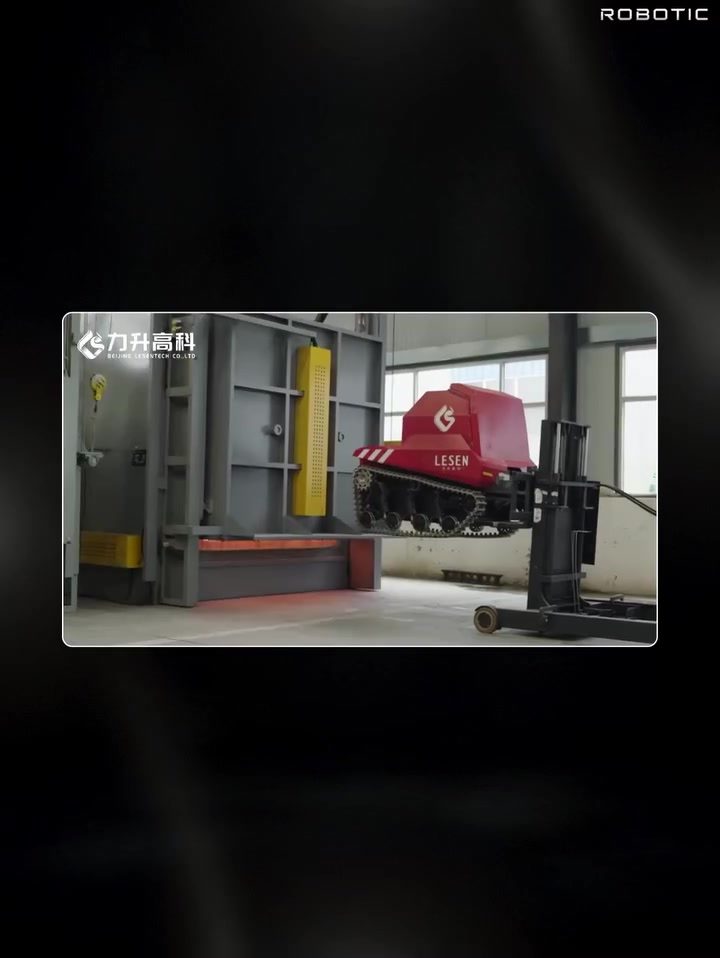
Firefighting Robots in Industrial Settings
Firefighting robots designed for industrial emergencies are revolutionizing safety protocols in hazardous environments. These advanced machines, such as those developed by Beijing Lesentech Co. Ltd, are engineered to withstand extreme heat, making them ideal for scenarios where human intervention would be too risky. Their robust design and specialized features enable them to operate effectively in steel plants, chemical facilities, and other high-temperature zones.
Why This Matters
Industrial settings often present unique challenges for firefighters, including extreme temperatures and hazardous materials. Traditional firefighting methods may fall short in these conditions, putting lives at risk. The introduction of fire-resistant robots offers a solution by taking on dangerous missions, thereby reducing risks for emergency crews. This not only safeguards human lives but also helps protect critical infrastructure.
Industrial Robotic Applications
Robotic Arms and Furnace Operations
One of the most impressive applications of industrial robots is their use in high-temperature environments, particularly near furnaces. Robotic arms, equipped with advanced thermal insulation and protected electronic systems, can perform tasks that would be unsafe for human workers. These robots can operate near furnaces, handling materials and performing maintenance tasks without the risk of heat-related injuries.
Tracked Vehicles and Mobility
In addition to robotic arms, tracked vehicles are another key component of industrial robotic solutions. These vehicles are designed to navigate through challenging terrain and hazardous conditions, making them ideal for use in steel plants and chemical facilities. Their mobility allows them to reach areas that might be inaccessible to human firefighters, providing a more comprehensive response to industrial fires.
Advanced Thermal Insulation and Heat Resistance
The core strength of firefighting robots lies in their advanced thermal insulation and heat-resistant bodies. These features enable the robots to operate in environments with extremely high temperatures, including furnace-like conditions. The electronic systems are protected, ensuring that the robots can continue to function effectively even in the most challenging conditions.
Material Handling and Maintenance
Industrial robots are not just limited to firefighting; they also play a crucial role in material handling and maintenance tasks. Their ability to operate in high-temperature environments makes them invaluable for tasks that involve handling hot materials or performing maintenance on machinery that would otherwise be too dangerous for human workers.
Protection of Electronic Systems
The protection of electronic systems is a critical aspect of these robots. Firefighting robots are equipped with specialized shielding that ensures their electronic components remain functional even in extreme heat. This allows the robots to perform their duties without interruption, providing a reliable solution for industrial emergencies.
Practical Tips for Implementing Firefighting Robots
When considering the implementation of firefighting robots, it's essential to evaluate the specific needs of your industrial setting. Here are some practical tips to help you make an informed decision:
Assess Environmental Conditions
Evaluate the environmental conditions in your industrial setting. Identify areas where extreme heat and hazardous materials are present. This will help you determine the types of robots and features you need.
Evaluate Robotic Capabilities
Consider the capabilities of the robots you are evaluating. Look for features such as advanced thermal insulation, heat-resistant bodies, and protected electronic systems. Ensure that the robots can handle the specific tasks required in your industrial setting.
Training and Maintenance
Ensure that your staff is adequately trained to operate and maintain the robots. Regular maintenance is crucial to keep the robots functioning optimally and to extend their lifespan.
Integrate with Existing Systems
Integrate the robots with your existing firefighting and emergency response systems. This will allow for a more cohesive and effective response to industrial emergencies.
Important Takeaways
The use of firefighting robots in industrial settings offers numerous benefits, including enhanced safety, improved firefighting capabilities, and the protection of critical infrastructure. These robots are equipped with advanced thermal insulation, heat-resistant bodies, and protected electronic systems, making them ideal for extreme heat conditions. As robotics continues to advance, these machines are becoming valuable partners in protecting both lives and infrastructure.
Conclusion
Firefighting robots are transforming the way we approach industrial emergencies. Their ability to withstand extreme heat and operate in hazardous environments makes them indispensable in settings like steel plants and chemical facilities. By reducing the risks to human firefighters and improving overall response capabilities, these robots are a significant step forward in industrial safety and emergency management.
Watch the Reel
Questions readers ask
What are industrial firefighting robots and where are they typically used?
Industrial firefighting robots are specialized machines designed to extinguish fires in high-risk environments. They are typically used in places like steel plants, chemical facilities, and other industrial settings where extreme heat and hazardous materials pose significant threats to human firefighters.
How do industrial firefighting robots handle extreme heat?
These robots are equipped with advanced thermal insulation and robust designs. This allows them to withstand and operate effectively in temperatures that would be lethal to humans, making them ideal for combating fires in high-heat environments such as furnaces and chemical reactors.
What benefits do robots for extreme heat environments provide to industrial safety?
Robots for extreme heat environments greatly reduce the risks for emergency crews by taking on dangerous missions. They safeguard critical infrastructure and minimize the need for human exposure to hazardous conditions, ensuring that crucial industrial operations can continue safely.
Which companies are at the forefront of developing these advanced firefighting robotics?
Companies like Beijing Lesentech Co. Ltd are leading the development of advanced firefighting robotics. These firms specialize in creating robots that can withstand extreme temperatures and operate in hazardous environments, pushing the boundaries of what's possible in industrial safety.
Can these robots handle hazards beyond extreme heat?
Yes, industrial firefighting robots are designed to manage multiple hazards. In addition to extreme heat, they can deal with hazardous materials, helping to reduce the risks faced by human firefighters in complex and dangerous industrial scenarios.
What makes furnace firefighting robots different from traditional firefighting methods?
Furnace firefighting robots are specifically engineered to operate in the intense heat and challenging conditions of furnaces. Unlike traditional methods, these robots can enter and combat fires in areas that would be inaccessible or too dangerous for human firefighters, ensuring a more effective and safer response.
Related deep dives
Similar reads based on topic and creator.



Recent articles
Fresh deep dives from the latest Reels we unpacked.




Comments
Be the first to comment.